
In today’s digital age, finding engaging and physically stimulating activities for children can be a challenge. However, kids indoor climbing play equipment offers an exciting solution that combines fun with physical fitness. This article explores the various benefits, types, and safety tips associated with indoor climbing equipment for children, ensuring your little adventurers have a blast while staying safe.
Benefits of Indoor Climbing for Kids
Physical Development: Indoor climbing is a full-body workout that enhances muscle strength, endurance, and coordination. Unlike sedentary activities like video games, climbing engages multiple muscle groups simultaneously, promoting overall physical development.
Mental Benefits: Climbing challenges require problem-solving skills and strategic thinking. Children learn to navigate obstacles, make quick decisions, and develop spatial awareness—all crucial cognitive skills.
Social Skills: Many indoor climbing facilities encourage group activities, helping kids build social connections and teamwork skills. Learning to wait their turn and support each other fosters a sense of community and cooperation.
Types of Indoor Climbing Equipment
Climbing Walls: These come in various designs, from simple plywood structures to elaborate setups with handholds and footholds of different shapes and sizes. Some walls are designed for younger children and feature larger holds for easier gripping.
Bouldering Mats: Used primarily in bouldering, these thick, cushioned mats provide a safe landing surface for climbers. They are essential for preventing injuries when tackling more challenging routes.
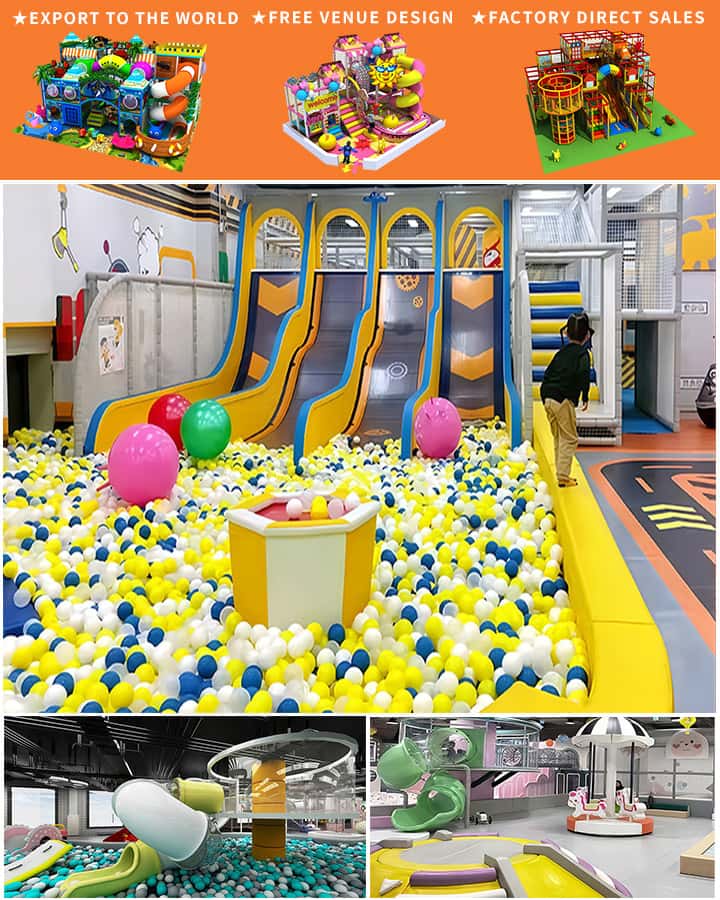
Indoor Playgrounds: Combining traditional playground elements with climbing components, indoor playgrounds often include slides, tunnels, and climbing frames. They cater to younger children and offer a mix of fun and physical activity.
Ropes and Harnesses: For added safety during climbing activities, ropes and harnesses are used to secure children and prevent falls. Proper training on how to use these correctly is vital to ensure safety.
Safety Tips for Indoor Climbing
Supervision: Always supervise young children during climbing activities. Close supervision helps prevent accidents and ensures kids adhere to safety guidelines.
Proper Attire: Ensure children wear comfortable clothing and non-slip shoes. Loose clothing or items like scarves can get caught on equipment, posing a risk.
Warm-Up: Just as with any physical activity, a proper warm-up is essential. Simple stretches and light exercises prepare muscles for climbing and reduce the risk of injury.
Age-Appropriate Equipment: Choose equipment suitable for the child’s age and skill level. Manufacturers often provide guidelines indicating the age range for which their products are designed.
Learn the Rules: Before starting, familiarize children with the rules of the climbing area. Explain the importance of taking turns, not pushing others, and using equipment properly.
Conclusion
Kids indoor climbing play equipment provides an excellent blend of fun and fitness, promoting physical health, mental acuity, and social interaction. By selecting appropriate equipment and adhering to safety protocols, parents can create a safe and exhilarating environment for their children to explore and grow. Whether it’s a simple climbing wall at home or a visit to a local indoor climbing gym, the adventure of indoor climbing awaits every young explorer.