
Indoor play areas for toddlers have become a haven for young children and parents alike, offering a safe, stimulating environment where kids can explore, learn, and develop essential skills. These spaces, often filled with colorful structures and imaginative setups, cater specifically to the needs and interests of toddlers aged one to three years old. This article aims to delve into the various aspects of indoor play areas for toddlers, from their benefits to what parents should look for when choosing one.
The Importance of Indoor Play Areas
Toddlers are in a crucial phase of development where they need ample opportunities to engage in physical activities that promote their motor skills, cognitive abilities, and social interactions. Indoor play areas provide an ideal setting for this, especially during weather conditions that may restrict outdoor play. These environments are designed to be safe, clean, and enriching, offering a controlled space where toddlers can freely explore without constant parental supervision.
Key Features of Indoor Play Areas
When selecting an indoor play area for your toddler, it’s essential to consider several features that contribute to a positive and enriching experience:
Safety First: Safety is paramount. Look for facilities that prioritize child-proofing, including padded flooring, rounded edges on furniture, and secure climbing structures. Ensure the area is well-maintained and free from hazardous materials.
Age-Appropriate Equipment: Toddler-specific play areas typically feature equipment tailored to their developmental stage. This includes low-to-the-ground slides, soft play structures, ball pits, and interactive sensory toys.
Imaginative Play: Environments that encourage imaginative play—like miniature towns, dress-up stations, and pretend kitchens—help nurture creativity and cognitive development. These settings allow toddlers to role-play and mimic adult behaviors, which is vital for social learning.
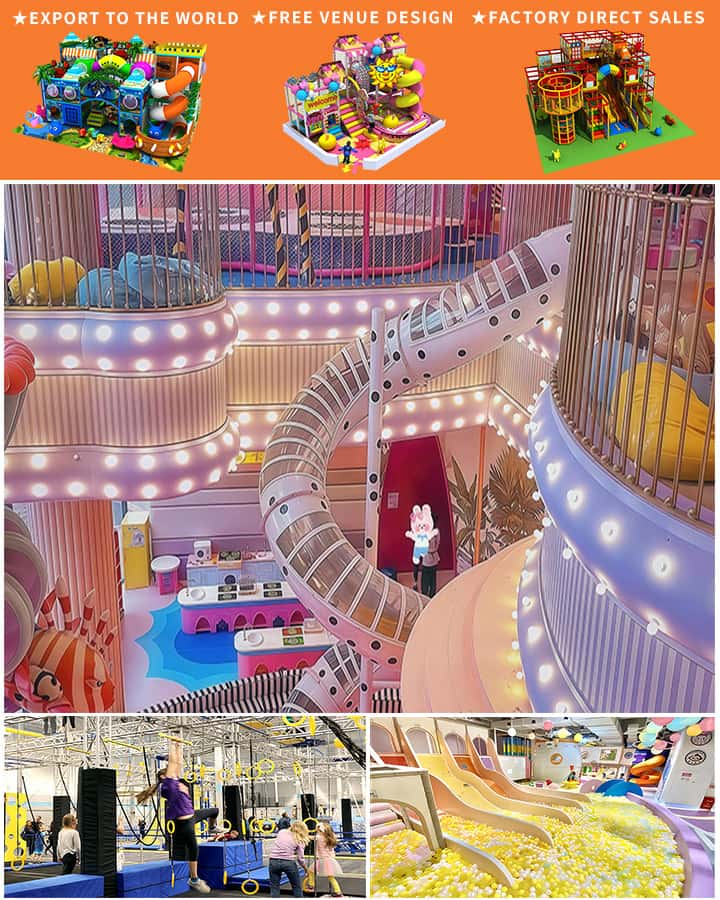
Parent Involvement: Some indoor play areas offer designated zones for parents to interact with their children. Others have observation areas where parents can relax while keeping an eye on their toddler. Facilities that balance both engagement and supervision are highly valued by parents.
Cleanliness: Hygiene is another critical factor, particularly given the close contact toddlers often have with each other and shared surfaces. Reputable indoor play areas will have rigorous cleaning protocols, including regular sanitizing of toys and surfaces.
Benefits for Toddlers
The advantages of indoor play areas extend beyond mere entertainment. Here are some significant benefits for toddlers:
Physical Development: Climbing, sliding, and jumping aid in the development of gross motor skills. These activities improve coordination, balance, and strength.
Cognitive Growth: Interactive toys and games stimulate problem-solving abilities, hand-eye coordination, and sensory exploration. Activities like building blocks or puzzle-solving enhance cognitive functions.
Social Skills: Indoor play areas provide excellent opportunities for toddlers to interact with peers, fostering social skills such as sharing, turn-taking, and empathy. Group play helps in developing language and communication abilities.
Emotional Well-being: A supportive and stimulating environment boosts self-esteem and emotional resilience. It gives toddlers a sense of independence and accomplishment as they navigate different play scenarios.
Tips for Parents
Choosing the right indoor play area can significantly enhance your toddler’s experience. Here are some practical tips:
Research: Start by reading reviews and visiting a few locations to get firsthand impressions. Online ratings and testimonials can also guide your choices.
Trial Visit: Many indoor play areas offer trial memberships or day passes. Use these to gauge how comfortable your toddler feels and whether the environment meets your expectations.
Check Policies: Understand the facility’s policies regarding hygiene, safety, and supervision. Ensure they align with your standards and preferences.
Pack Smartly: Bring essential items like water bottles, snacks, and diapers. Comfortable clothing and socks are also recommended, adhering to any specific guidelines the facility might have.
Conclusion
Indoor play areas for toddlers serve as invaluable resources for nurturing young minds and bodies. They offer a balanced mix of fun and developmental opportunities, making them an excellent choice for parents seeking enriching experiences for their little ones. By prioritizing safety, appropriateness, and cleanliness, these spaces not only provide joy but also lay the foundation for essential life skills in a nurturing environment.