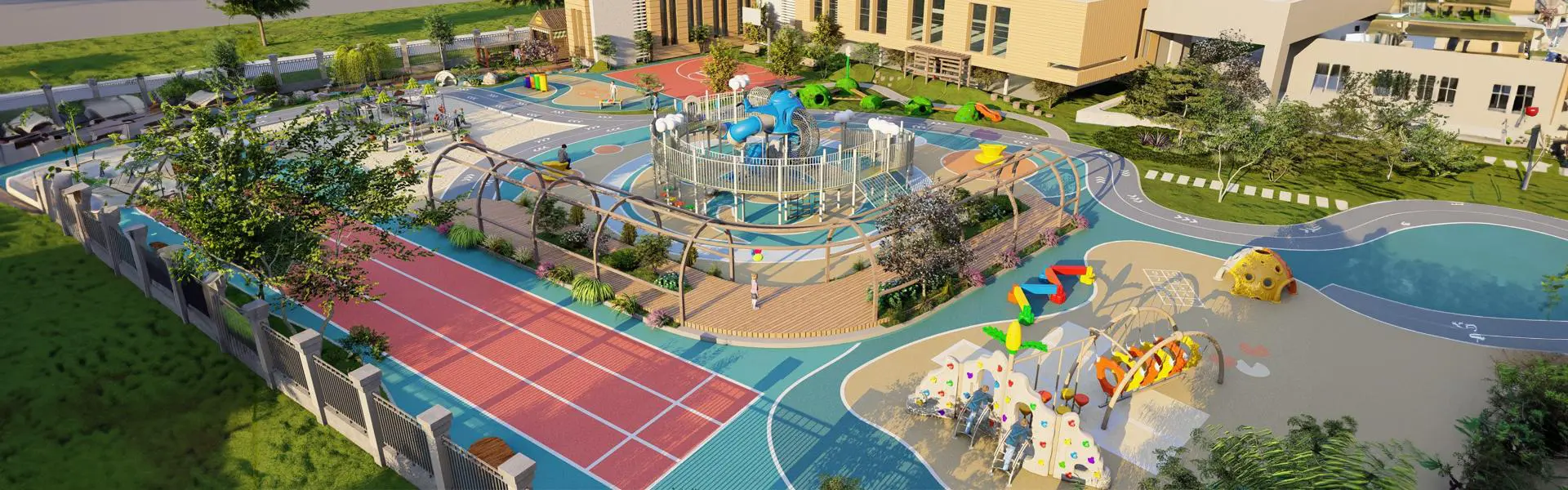
Children’s playgrounds are vibrant spaces filled with opportunities for fun, physical activity, and social interaction. These playgrounds are equipped with a variety of specialized structures that cater to the diverse needs and interests of children. Understanding the names of these playground equipment pieces can help parents, caregivers, and educators ensure a safe and enjoyable play environment. Here is a detailed guide to some common names of children’s playground equipment.
1. Slide One of the most iconic pieces of playground equipment, slides come in various shapes and sizes. They allow children to experience the thrill of descending from a height. Variants include straight slides, spiral slides, and tunnel slides, each offering a unique sliding experience.
2. Seesaw Seesaws, also known as teeter-totters, provide a simple yet entertaining way for two children to play together. The seesaw moves up and down when one child pushes off the ground, creating an enjoyable balancing act.
3. Swings Swings are a staple on any playground and come in different types, including traditional belt swings, bucket swings, and disc swings. They offer a soothing back-and-forth motion that many children find relaxing and exhilarating.
4. Jungle Gym A jungle gym, or climbing frame, is a multi-purpose structure typically made of metal or plastic. It often includes ladders, bars, and platforms that challenge children’s strength and coordination.
5. Climbing Wall
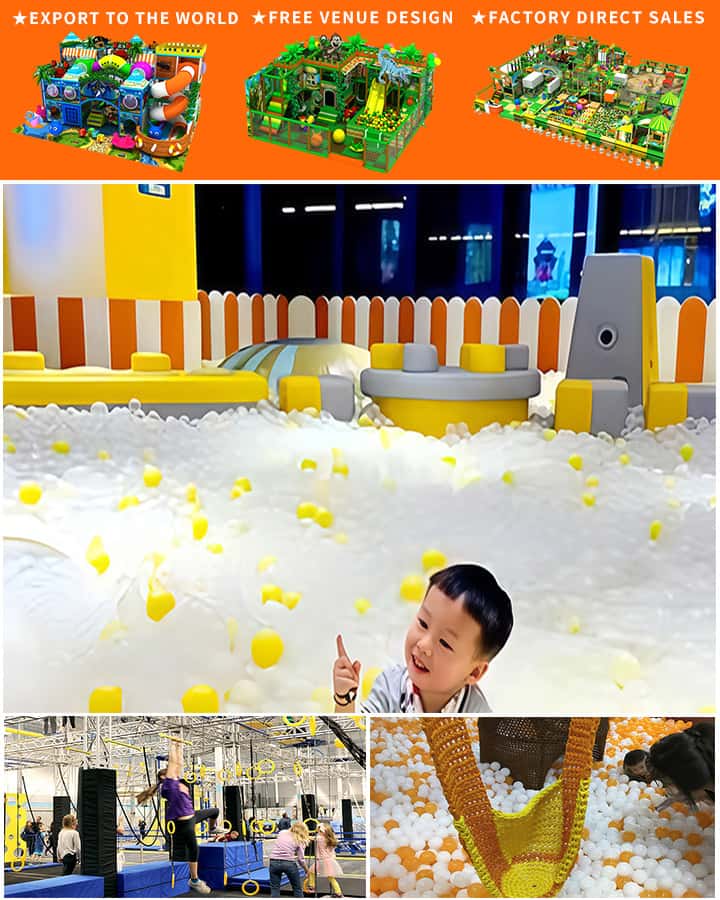 Climbing walls vary in complexity but generally consist of vertical structures with handholds and footholds for children to climb. They encourage physical activity and can be designed to suit different age groups and skill levels.
6. Merry-Go-Round Merry-go-rounds, or carousel rides, are circular playground structures that spin around, allowing children to sit and enjoy the gentle rotation. They come in both flat and raised versions.
7. Sandbox Sandboxes are large, shallow boxes filled with sand where children can dig, build, and play with toys. They foster creativity and fine motor skills development.
8. Spring Rider Spring riders are small, individual units powered by the user’s movements. As children bounce or move, springs compress and propel them slightly into the air, creating a fun and dynamic play experience.
9. Bounce House Bounce houses, or inflatable castles, are large, inflated structures that children can jump in. They are great for group play and often feature themes like castles or animals, adding to the imaginative play element.
10. Zig-Zag Bridge Zig-zag bridges consist of narrow planks connected at angles, providing a challenging path for children to cross. They enhance balance and coordination while adding an element of excitement to the playground.
11. Spinning Wheel Spinning wheels, or merry-go-arounds, allow multiple children to sit on attached seats and spin around together. They promote teamwork and cooperative play.
12. Balance Beam Balance beams are narrow, elevated pathways that require children to walk carefully without falling off. They help develop balance, agility, and confidence.
13. Log Roll Log rolls are horizontal, rotating cylinders that children hold onto while they spin around. This piece of equipment challenges their grip and balance.
14. Activity Panels Activity panels are interactive boards featuring buttons, levers, and other elements that stimulate cognitive and sensory development through exploration and manipulation.
15. Tunnel Climbers Tunnel climbers consist of tubes that children can crawl through, encouraging adventure and physical fitness. They come in straight and spiral forms.
Conclusion Knowing the names of these playground equipment pieces enriches the experience for everyone involved in caring for children. Whether it’s ensuring safety, engaging in play, or simply appreciating the design, understanding these terms allows adults to better support children in their recreational activities. By familiarizing themselves with this equipment, caregivers can foster an environment where children thrive physically, socially, and emotionally.