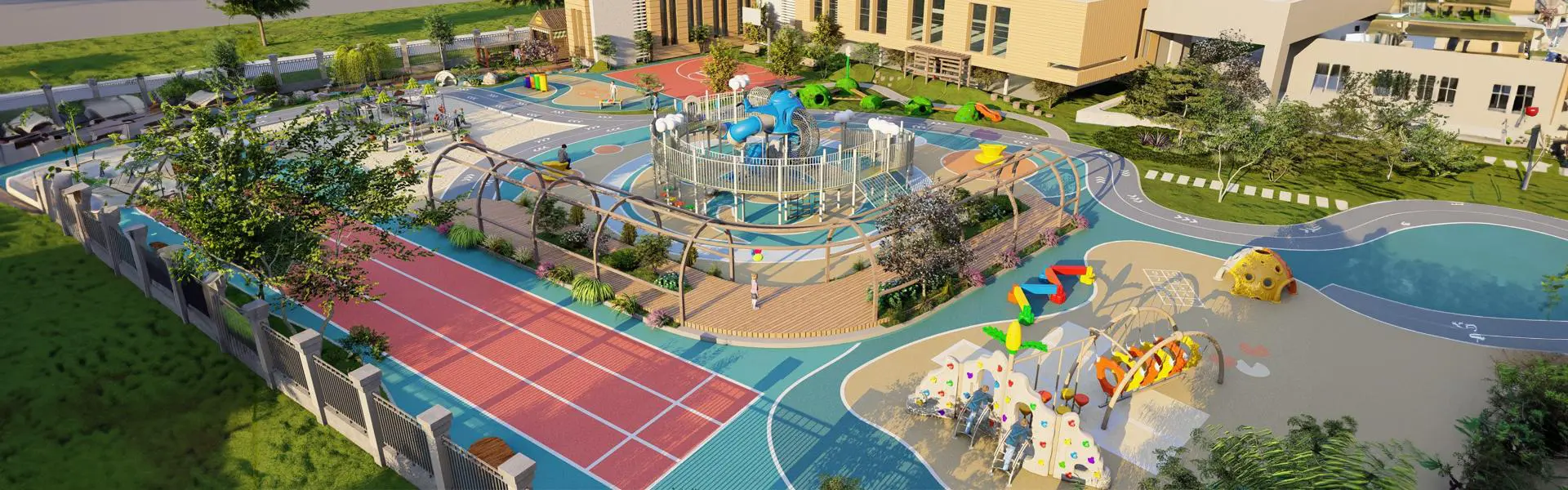
When it comes to creating an indoor playground, one of the most crucial aspects is understanding the setup costs. Whether you’re planning a modest play area in your home or a full-fledged commercial space, knowing what to expect financially can help you budget effectively and avoid unexpected expenses. Here’s an overview of the key factors influencing the cost of setting up an indoor playground and some tips on how to manage these expenses.
1. Space and Location
The size and location of your indoor playground will significantly impact the overall cost. For a home-based setup, you might only need a dedicated corner or room, which could range from a few hundred to several thousand dollars. However, if you’re planning a commercial indoor playground, you will need considerably more space, potentially ranging from a few hundred square feet to thousands. The rent or purchase price of the property will be one of the largest expenses.
2. Equipment and Structures
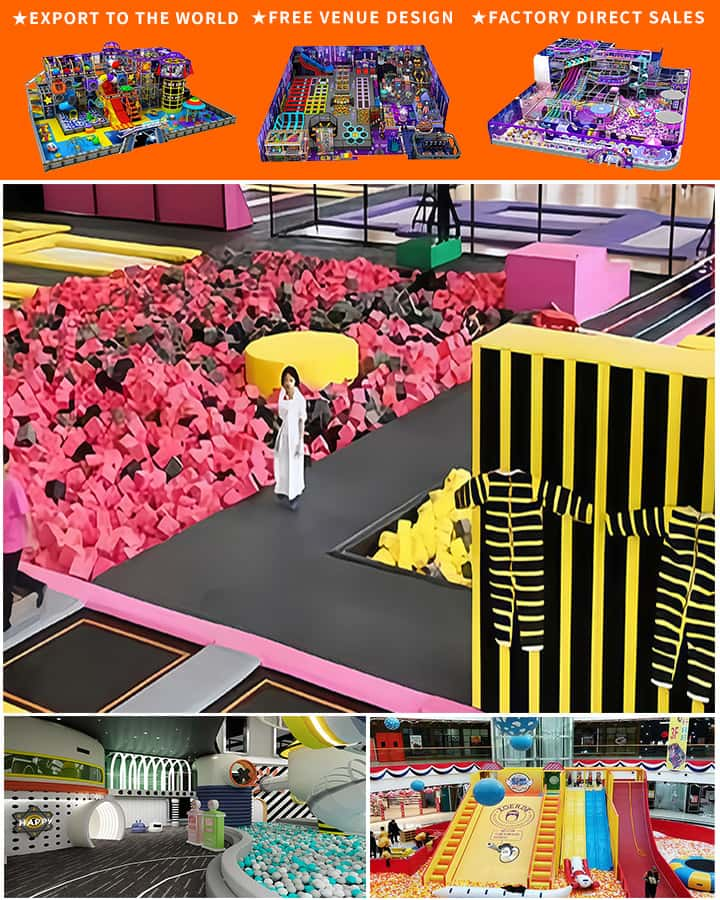
The heart of any indoor playground is its equipment and structures. Basic elements like slides, climbing walls, ball pits, and obstacle courses can vary greatly in price depending on quality and complexity. Entry-level, smaller-scale equipment may start at just a few hundred dollars per piece, while high-end, custom-designed installations can run into tens of thousands.
 For instance:
- Slides: Simple plastic slides may cost between \(500 to \)1,500, whereas custom spiral slides can exceed $5,000.
- Climbing Walls: Basic climbing structures can range from \(1,000 to \)3,000, but intricate rock-climbing setups can go up to $10,000 or more.
- Trampolines: A small trampoline suitable for young children might be around \(500, while larger, professional-grade models can be over \)3,000.
3. Flooring and Safety Surfacing
Safety is paramount in any playground, and investing in proper flooring and surfacing materials is essential. Foam mats are commonly used for safety and comfort, with prices starting at around \(1.50 per square foot. Rubber tiles offer another option, generally priced between \)4 to $8 per square foot. For larger areas, these costs can add up quickly, so it’s important to measure your space accurately and choose materials that balance cost with safety.
4. Installation and Labor Costs
If you’re not experienced in construction or playground setup, you’ll likely need to hire professionals for installation. Labor costs can vary based on your region and the complexity of the installation, but expect to spend anywhere from \(50 to \)100 per hour per installer. Complex structures and custom designs will naturally require more time and expertise, increasing labor costs.
5. Additional Features
To enhance the experience, you might consider additional features such as interactive games, sensory play areas, or themed decorations. These can range from relatively inexpensive (\(500-\)2,000) for simple additions to more elaborate setups costing $5,000 or more.
6. Licensing and Inspections
For commercial indoor playgrounds, there are often regulatory requirements that necessitate inspections and certifications. These can include safety inspections, fire codes compliance, and other local regulations. Budget for these additional costs, which can range from a few hundred to several thousand dollars depending on your jurisdiction and the scale of your operation.
Conclusion
Setting up an indoor playground can be a significant investment, but careful planning and budgeting can help manage the costs effectively. By considering factors such as space, equipment, safety features, and additional amenities, you can create a fun, safe environment tailored to your needs without breaking the bank. Always remember to get multiple quotes, shop around for the best deals on equipment, and prioritize safety above all else. With thoughtful planning, your dream indoor playground can become a reality within your budget.