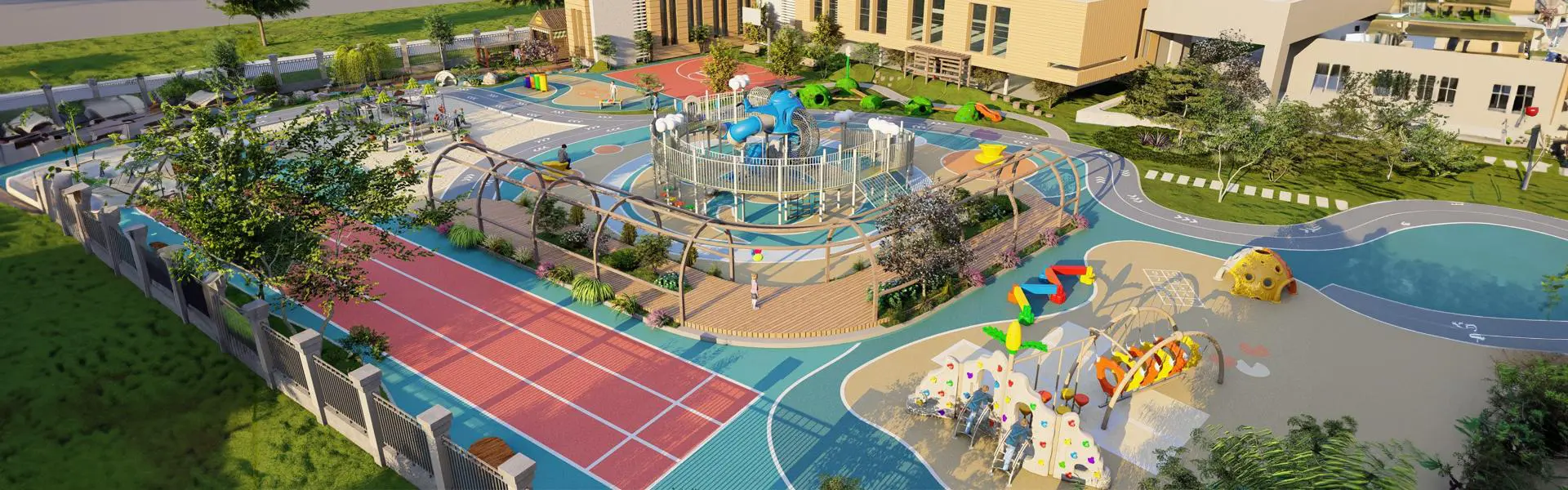
In recent years, the demand for soft play equipment in South Africa has seen a significant surge. Families and entrepreneurs are increasingly recognizing the importance of safe, engaging, and developmental play spaces for children. Soft play equipment offers an ideal solution by combining fun with essential physical activity, fostering growth and creativity in young minds. This article delves into the various aspects that make soft play equipment indispensable for childcare centers, indoor playgrounds, and even home use across South Africa.
The Importance of Soft Play Equipment
Soft play equipment is designed specifically to provide a secure environment where children can engage in physical activities without the risk of serious injury. Unlike traditional playgrounds, which often involve hard surfaces and potential hazards, soft play areas utilize cushioned flooring, foam shapes, ball pits, and climbing structures made from soft materials. These elements ensure that even if a child tumbles or falls, their experience remains safe and enjoyable.
Developmental Benefits
The benefits of soft play equipment extend beyond safety. Engaging with these structures aids in the physical development of children, improving their motor skills, balance, coordination, and overall fitness. Climbing walls, for instance, enhance strength and endurance, while activities like sliding and jumping improve cardiovascular health. Additionally, navigating through obstacle courses encourages problem-solving abilities and boosts cognitive development.
Interaction with soft play equipment also fosters social skills. Children learn to share, take turns, and collaborate with peers, which is crucial for emotional and social growth. Soft play areas often become hubs of laughter and joy, creating bonds between children and strengthening community ties.
Popular Types of Soft Play Equipment
South African markets offer a wide range of soft play equipment tailored to suit different age groups and preferences. Some popular types include:

Climbing Structures
Climbing frames come in various designs—some resemble small castles, while others mimic nature with treehouses or rock formations. These structures not only captivate children’s imagination but also serve as excellent tools for developing gross motor skills.
Inflatable Play Areas
Inflatables have gained immense popularity due to their versatility and ease of setup. Bounce houses, inflatable slides, and obstacle courses provide endless amusement and can be set up both indoors and outdoors, adapting to any event or space requirement.
Soft Activity Sets
Designed for younger toddlers, soft activity sets usually consist of foam blocks, tunnels, and interactive panels that promote sensory exploration and fine motor development. These sets are perfect for homes or daycare centers aiming to provide a safe play environment for infants and young children.
Trampolines and Spring Riders
Trampolines and spring riders are excellent for burning off excess energy. They enhance leg strength and coordination while offering a fun way to keep children active. Modern designs often include safety enclosures to prevent accidents.
Economic Impact on South Africa
The growing popularity of soft play equipment has had a notable economic impact on South Africa. It has created numerous business opportunities, particularly for local manufacturers and suppliers who cater to this thriving market. By investing in quality soft play solutions, businesses can attract more customers, whether they operate family entertainment centers, childcare facilities, or host events like birthday parties.
Moreover, the demand for soft play equipment has spurred innovation, leading to the creation of advanced, durable products that meet international safety standards. This not only ensures customer satisfaction but also builds trust in domestic manufacturing capabilities.
Safety Standards and Regulations
Safety is paramount when it comes to children’s play equipment. Thankfully, South Africa adheres to stringent safety regulations to ensure that all soft play equipment meets high standards of quality and security. Manufacturers must comply with the SABS (South African Bureau of Standards) guidelines, which cover material safety, structural integrity, and design specifications.
Regular inspections and maintenance are crucial to uphold these standards. Facility managers should conduct routine checks for wear and tear and promptly repair or replace any damaged components. Educating staff about safety protocols and emergency procedures further enhances the overall safety of the play environment.
Conclusion
Soft play equipment has undoubtedly carved a niche for itself in South Africa, revolutionizing the way children experience playtime. Its multifaceted benefits, from promoting physical and cognitive development to ensuring safety and fostering social interaction, make it an essential addition to any setting where children gather. As the market continues to grow, driven by increasing awareness and demand, the future looks bright for soft play equipment in South Africa. With ongoing innovation and a commitment to safety, these play spaces will undoubtedly continue to bring joy and development to generations of children across the country.