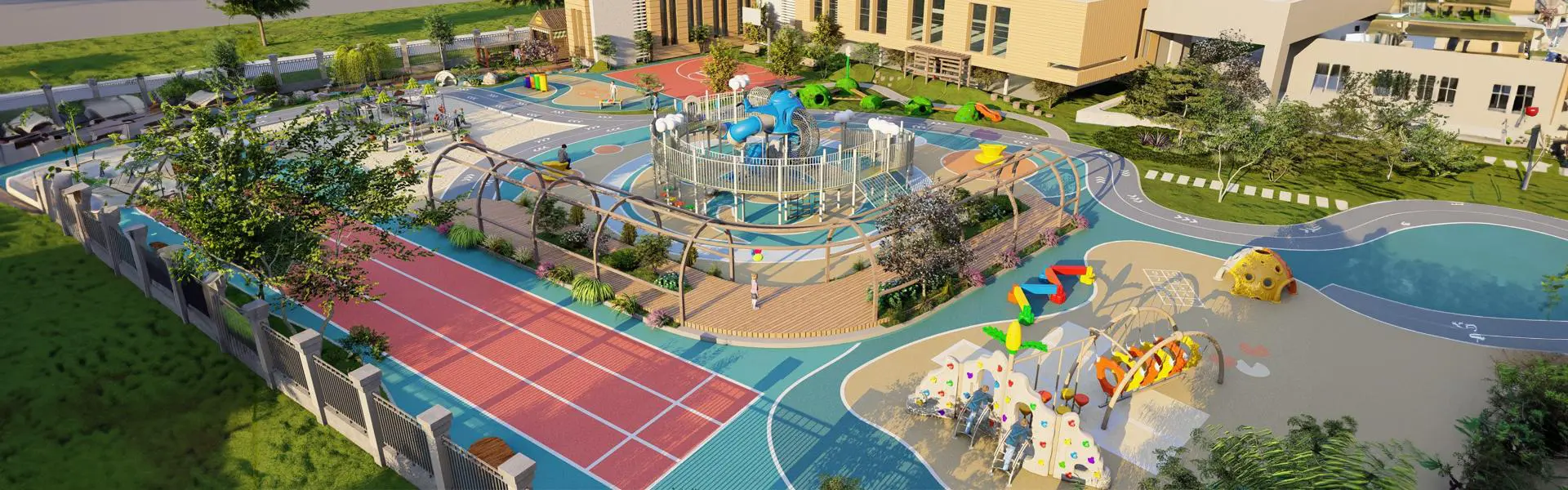
Indoor play equipment is an essential component in early childhood education, providing children with opportunities to engage in physical, social, and cognitive development. For preschool-aged children, indoor play equipment offers a safe and controlled environment where they can explore, learn, and grow. This article will delve into the benefits of indoor play equipment for preschoolers and highlight various types of equipment that can enhance their learning experiences.
Benefits of Indoor Play Equipment for Preschoolers
- Physical Development
- Indoor play equipment promotes physical fitness by encouraging gross motor skills such as climbing, jumping, and balancing. Activities like these help strengthen muscles, improve coordination, and boost overall physical health.
- Safety is paramount in indoor environments, which means that preschoolers are less likely to face risks associated with outdoor play, such as weather conditions or uneven surfaces.
- Cognitive Development
- Engaging with different types of indoor play equipment stimulates curiosity and problem-solving skills. Children learn to navigate spaces, interact with objects, and develop spatial awareness, all of which are crucial cognitive skills.
- Educational play equipment, such as puzzles, building blocks, and interactive panels, fosters creativity and critical thinking. These activities often require planning, strategy, and decision-making, laying the groundwork for future academic success.
- Social Development
- Indoor play areas provide opportunities for children to interact with peers, fostering social skills such as sharing, cooperation, and empathy. Group activities and collaborative games help build friendships and teach valuable life skills.
- Structured playtime also allows teachers and caregivers to observe and guide interactions, offering support when conflicts arise and encouraging positive behavior.
- Emotional Development
- Indoor play environments often offer a sense of security and comfort, which can be particularly beneficial for children who may feel anxious or shy in larger, unfamiliar settings.
- Successfully navigating play equipment can boost self-esteem and confidence. Overcoming challenges on a climbing wall or successfully landing on a soft mat after a jump provides a sense of accomplishment and encourages further exploration.
Types of Indoor Play Equipment for Preschool
- Climbing Structures
- Climbing walls, ropes, and ladders offer varied levels of difficulty and help develop upper body strength, coordination, and spatial reasoning. These structures come in different shapes and sizes, suitable for different age groups and abilities.
- Slides
- Slides are classic pieces of play equipment loved by children for their simplicity and fun. They can be integrated into larger climbing structures or stand alone, providing an exciting way to descend and encouraging balance and coordination.
- Balance Beams and Walking Planks
- Balance beams and walking planks challenge children to maintain equilibrium and focus, improving balance and stability. These simple yet effective tools can be adjusted for varying levels of difficulty and incorporated into obstacle courses or other activities.
- Interactive Panels
- Interactive panels feature buttons, levers, and moving parts that engage sensory and cognitive skills. These panels often include educational elements such as letters, numbers, shapes, and sounds, making learning fun and interactive.
- Soft Play Areas
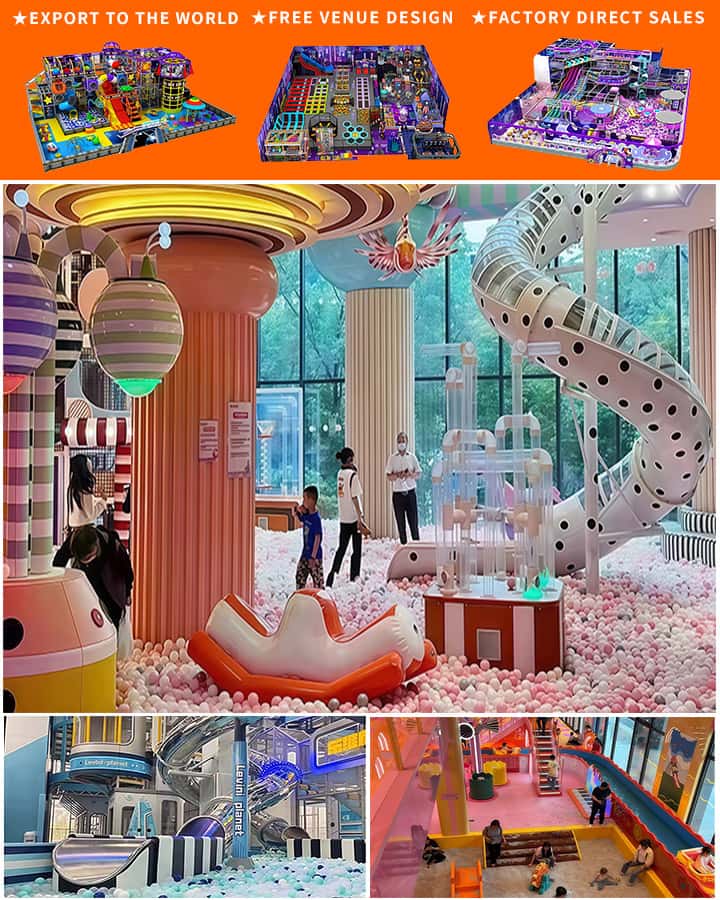
- Soft play areas, filled with foam mats, ball pits, and soft climbers, provide a safe space for younger children or those who need extra cushioning. These areas encourage free play and exploration without the risk of injury from falls or collisions.
- Play Kitchens and Household Sets
- Pretend play sets, such as kitchens and household items, allow children to engage in role-playing activities that mimic real-life scenarios. These sets encourage creativity and imagination while helping children understand everyday routines and responsibilities.
- Puzzle Boards and Building Blocks
- Puzzle boards and building blocks are excellent for developing fine motor skills, hand-eye coordination, and problem-solving abilities. They come in a variety of shapes, sizes, and complexity levels, catering to different interests and skill levels.
In conclusion, indoor play equipment for preschool plays a vital role in the holistic development of young children. It not only supports physical growth but also enhances cognitive, social, and emotional skills through engaging and educational activities. By incorporating a variety of play equipment into preschool environments, educators can create dynamic and nurturing spaces where children thrive.