In today’s fast-paced world, finding a safe and engaging environment for children can be a daunting task. Indoor play places have emerged as a popular solution, offering a controlled setting that combines fun with developmental benefits. Central to these havens of joy are the indoor play place equipment pieces, designed to stimulate young minds and bodies in a secure environment. This article delves into the diverse range of indoor play equipment and its significance in fostering a child’s growth and happiness.
The Evolution of Indoor Play Equipment
The concept of indoor play spaces has evolved significantly over the years. Gone are the days when indoor recreation was limited to simple toys or basic structures. Modern indoor play equipment is a blend of creativity, safety, and educational value. These spaces feature everything from climbing walls and slides to interactive sensory areas and imaginative play zones. Each piece of equipment is meticulously designed to cater to different age groups, ensuring every child finds their niche.
Types of Indoor Play Equipment
- Climbing Walls and Ropes: Climbing structures are fundamental elements in many indoor play places. They help develop motor skills, hand-eye coordination, and problem-solving abilities. Climbing walls can range from beginner levels for toddlers to more challenging routes for older kids.
Slides: Slides remain a timeless favorite among children. Whether it’s a spiral slide or a straight one, sliding down provides not only excitement but also helps in improving balance and spatial awareness.
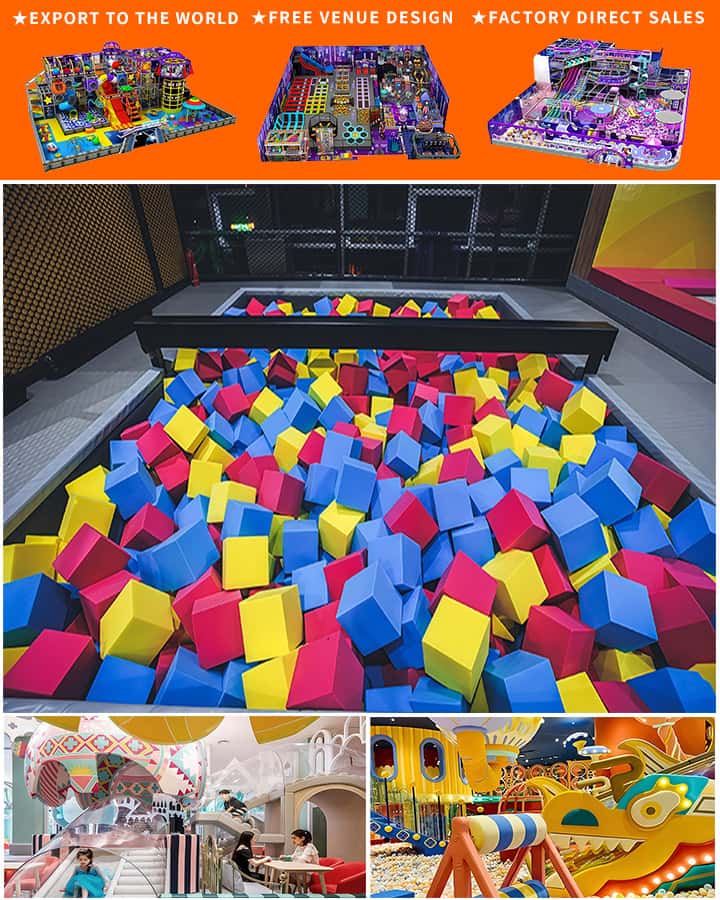
Ball Pools: Filled with colorful plastic balls, ball pools are both fun and beneficial. They encourage physical activity, improve gross motor skills, and offer a sensory-rich experience as children dive in and explore.
Interactive Sensory Areas: These zones are designed to engage multiple senses. Children can interact with textured surfaces, light installations, and sound-producing objects, enhancing their tactile and auditory experiences.
Imaginative Play Zones: From pirate ships to castles, imaginative play zones allow children to role-play and create their own stories. These areas promote social interaction, language development, and creative thinking.
Trampolines and Bounce Houses: Trampolines provide a fun way for children to expend energy while improving their balance and coordination. Bounce houses add an element of group fun, encouraging cooperative play and physical fitness.
Educational Play Equipment: Many indoor play places incorporate learning tools such as puzzle boards, shape sorters, and interactive screens. These resources are designed to enhance cognitive skills like memory, problem-solving, and logical reasoning.
Benefits Beyond Fun
While the primary purpose of indoor play equipment is fun, its benefits extend far beyond entertainment. Engaging in various physical activities helps combat childhood obesity and promotes overall health. Social interactions in these settings enhance emotional intelligence and teamwork skills. Moreover, exposure to different textures and sensory experiences supports sensory processing development in children.
Safety First
Safety is paramount in indoor play places. Equipment is often made from durable materials that meet stringent safety standards. Soft flooring, padded corners, and constant supervision ensure that children can play without risk of injury. Additionally, hygiene protocols are strictly followed to maintain a clean and healthy environment.
Conclusion
Indoor play place equipment plays a crucial role in the physical, emotional, and cognitive development of children. By providing a stimulating and safe environment, these spaces allow children to learn, grow, and have fun simultaneously. As indoor play continues to evolve, we can expect even more innovative and engaging equipment to emerge, further enriching the lives of children worldwide. So next time you visit an indoor play place, take a moment to appreciate the carefully curated equipment that brings joy and growth to young minds and bodies.