
In today’s digital age, encouraging children to engage in imaginative play is more important than ever. One of the best ways to foster creativity, physical activity, and cognitive development is through engaging indoor wooden play equipment. This comprehensive guide explores the benefits, types, and safety considerations of kids’ indoor wooden play equipment, ensuring that your child enjoys countless hours of fun and productive playtime.
The Benefits of Wooden Play Equipment
Wooden play equipment has long been a staple in homes, daycare centers, and schools for its numerous advantages over other materials.
- Durability: High-quality wooden toys are built to withstand the rough and tumble of active play. When properly cared for, they can last for generations, making them a sustainable choice.
- Safety: Unlike plastic, wood does not contain harmful chemicals like BPA or phthalates, which can be hazardous for children. Wooden play equipment is often smoother and splinter-free, reducing the risk of injury.
- Environmental Impact: Wood is a renewable resource, and choosing wooden toys reduces plastic waste. Many wooden toys are crafted from sustainably sourced wood, further decreasing environmental harm.
- Educational Value: Wooden play equipment often encourages open-ended play, which stimulates imagination and problem-solving skills. From building blocks to climbing structures, these toys promote cognitive development and fine motor skills.
Types of Indoor Wooden Play Equipment
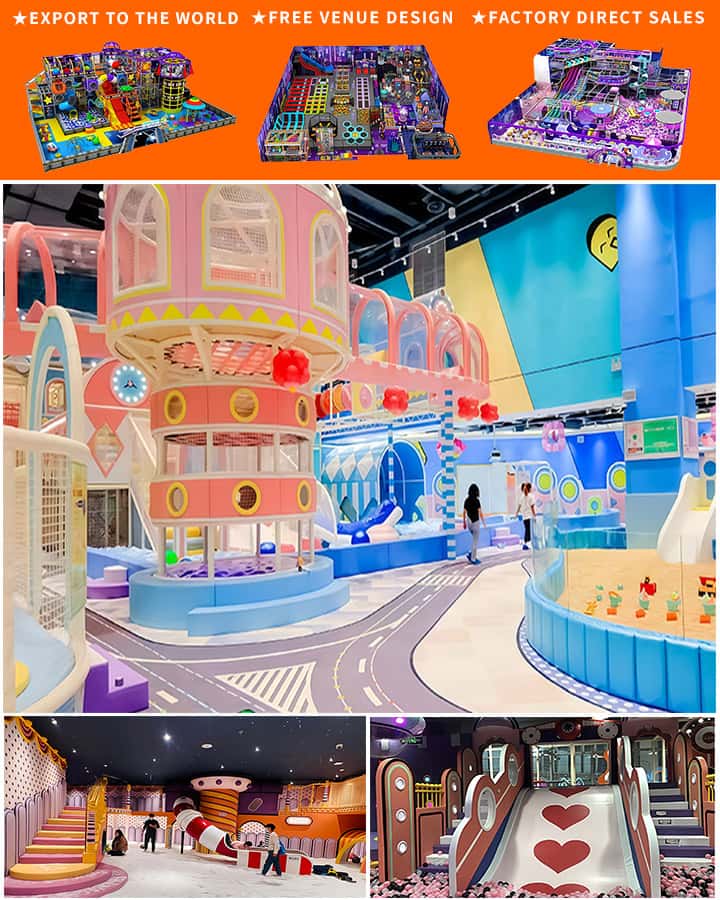
When it comes to indoor wooden play equipment, the possibilities are nearly endless. Here are some popular options:
Climbing Towers and Play Gyms: These structures provide an excellent way for kids to burn off energy while developing coordination and balance. Climbing gyms often feature slides, ladders, and platforms for added variety.
Wooden Play Kitchens: Pretend play is a crucial part of childhood development. Wooden play kitchens are perfect for encouraging kids to role-play, teaching them social skills and nurturing their creativity.
Building Blocks and Construction Sets: Classic wooden building blocks never go out of style. They allow children to construct everything from simple towers to elaborate castles, enhancing spatial awareness and engineering skills.
Activity Centers: Wooden activity centers come equipped with various elements like shape sorters, spinning gears, and puzzle boards, providing diverse sensory experiences and promoting fine motor skills.
Role-Play Houses: Whether it’s a tiny cottage or a bustling market stall, role-play houses made from wood offer endless opportunities for imaginative adventures.
Safety Considerations
While wooden play equipment offers numerous benefits, safety should always be a top priority. Here are some key safety tips to keep in mind:
Non-Toxic Finishes: Ensure that any wooden play equipment is finished with non-toxic paints or sealants to avoid exposure to harmful chemicals.
Sturdy Construction: Check that the wooden toys are well-constructed and free from loose parts that could pose choking hazards. Look for equipment that meets safety standards and certifications.
Age Appropriateness: Choose play equipment suitable for your child’s age to prevent accidents and ensure that the toy provides the right level of challenge and engagement.
Supervision: Always supervise young children during playtime to prevent injuries from falls or misuse of the equipment.
Conclusion
Kids’ indoor wooden play equipment offers a world of fun and developmental benefits. By investing in high-quality wooden toys, you’re not only providing endless entertainment but also promoting your child’s physical, cognitive, and emotional growth. From climbing structures to imaginative role-play setups, there’s a wooden play option to suit every interest and stage of development. So, embrace the timeless charm and educational value of wooden play equipment, and watch as your child embarks on countless adventures filled with creativity and joy.