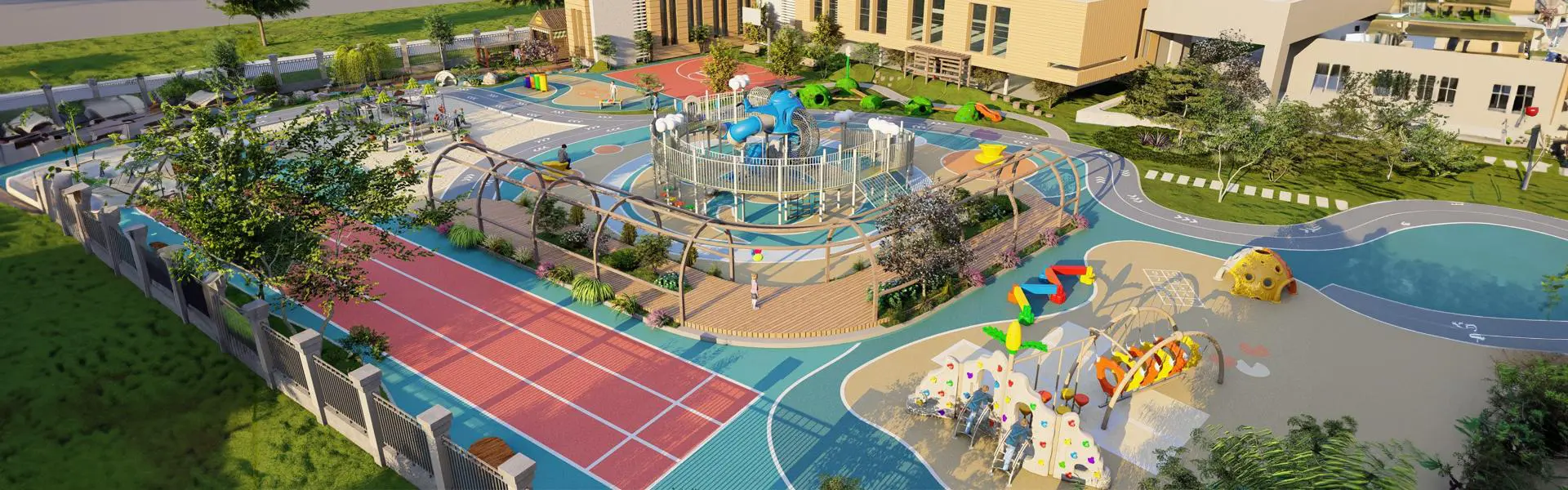
In today’s fast-paced world, finding ways to keep children engaged, entertained, and healthy can sometimes be a challenge for parents. Fortunately, the right mix of indoor and outdoor play equipment offers a perfect solution. These activities not only provide endless fun but also contribute significantly to physical, mental, and emotional development. Here’s an in-depth look at the importance and benefits of both types of play equipment.
Indoor Play Equipment: A World of Creativity Indoors
Educational Toys and Games
Indoor play begins with educational toys and games that stimulate young minds. Building blocks, puzzles, and interactive boards are excellent choices that enhance cognitive skills such as problem-solving, hand-eye coordination, and spatial awareness. These activities encourage creativity and imagination, allowing children to explore various possibilities within the safety of their homes.
Physical Development through Indoor Play
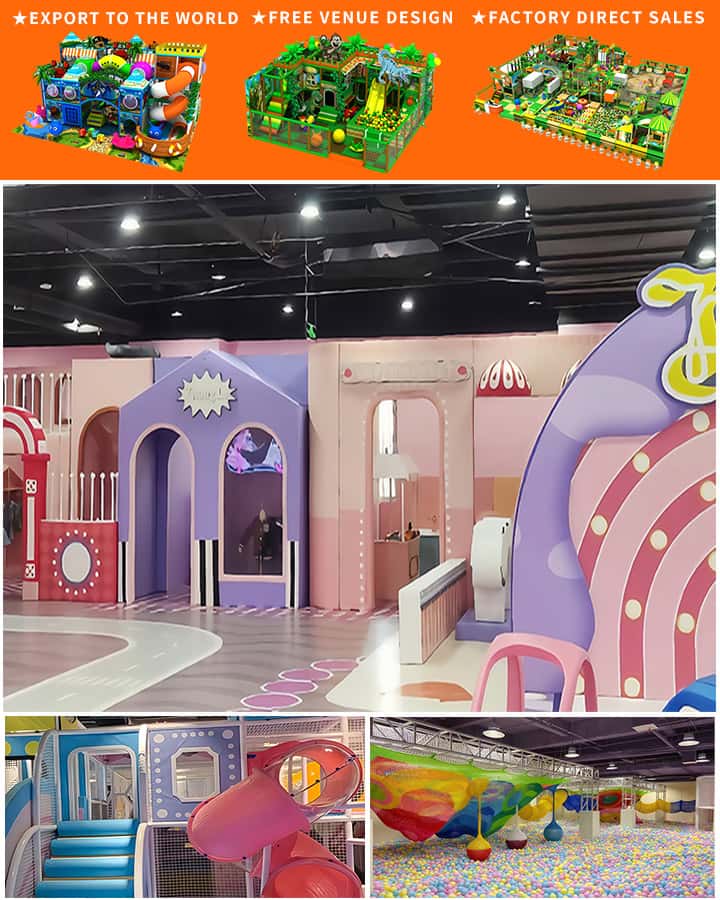
Just because play is happening indoors doesn’t mean it can’t be physically engaging. Trampolines, slides, and climbing structures designed for indoor use help develop motor skills and improve strength and balance. Mini trampolines, for instance, offer a fun way to burn off energy while enhancing cardiovascular health.
Safe and Controlled Environment
One of the significant advantages of indoor play equipment is the controlled environment. Parents can ensure that the setting is safe from external hazards like weather changes or rough terrain. This controlled environment also means less exposure to allergens and pollutants, making it ideal for children with sensitivities.
Outdoor Play Equipment: Nature’s Playground
Health Benefits of Outdoor Activities
Outdoor play equipment offers unique health benefits. Exposure to natural sunlight helps in the production of Vitamin D, essential for bone growth and immune function. Activities like running on playgrounds, climbing jungle gyms, and playing on swings contribute to better cardiovascular health and muscle development.
Social Interaction and Teamwork
Outdoor play areas often become social hubs where children interact and collaborate with their peers. Structures like seesaws, merry-go-rounds, and communal swings encourage teamwork and cooperative play. These interactions are crucial for developing social skills, empathy, and communication abilities.
Connecting with Nature
There’s something inherently beneficial about being outdoors that indoor environments can’t replicate. Playing on grass, feeling the breeze, or simply enjoying the open sky fosters a connection with nature. This relationship with the environment cultivates respect for nature and promotes environmental stewardship from a young age.
Combining Both Worlds: Balanced Development
While each type of play offers distinct advantages, the true benefit comes from a balanced approach. Alternating between indoor and outdoor activities ensures that children receive a comprehensive range of experiences. For instance, after a day of outdoor adventure, settling down with some indoor puzzles can be a soothing way to wind down.
Final Thoughts
Both indoor and outdoor play equipment play vital roles in the holistic development of children. They provide platforms for learning, physical activity, and social interaction while ensuring a balanced lifestyle. Parents should aim to provide a diverse array of these play options to nurture well-rounded individuals who are ready to face the world with confidence and joy. By investing in a variety of play equipment and environments, we can create enriching experiences that lay the foundation for lifelong health and happiness.