
Starting an indoor playground business can be a rewarding venture, offering parents a safe and engaging environment for their children while providing a steady stream of revenue. However, like any business, it requires meticulous planning, strategic execution, and ongoing management to be successful. Here’s a comprehensive guide on how to start your own indoor playground business.
Market Research and Planning
1. Conduct Thorough Market Research
Before diving into the logistics, it’s crucial to understand your market. Identify the demand for indoor playgrounds in your area by analyzing demographic trends, local competition, and potential customer base. Use surveys, focus groups, and online research to gather data on what families in your community are looking for in an indoor play space.
2. Develop a Business Plan
A well-structured business plan serves as the blueprint for your venture. Outline your business goals, target audience, competitive analysis, marketing strategies, financial projections, and operational plans. This will not only guide you through the startup phase but also help secure funding from investors or lenders.
Location and Setup
3. Choose the Right Location
Location is paramount for the success of your indoor playground. Look for a place that is easily accessible, has ample parking, and is situated in a high foot traffic area such as a shopping center or family-oriented neighborhood. Leasing terms should be negotiated carefully to ensure long-term viability.
4. Design an Engaging Space
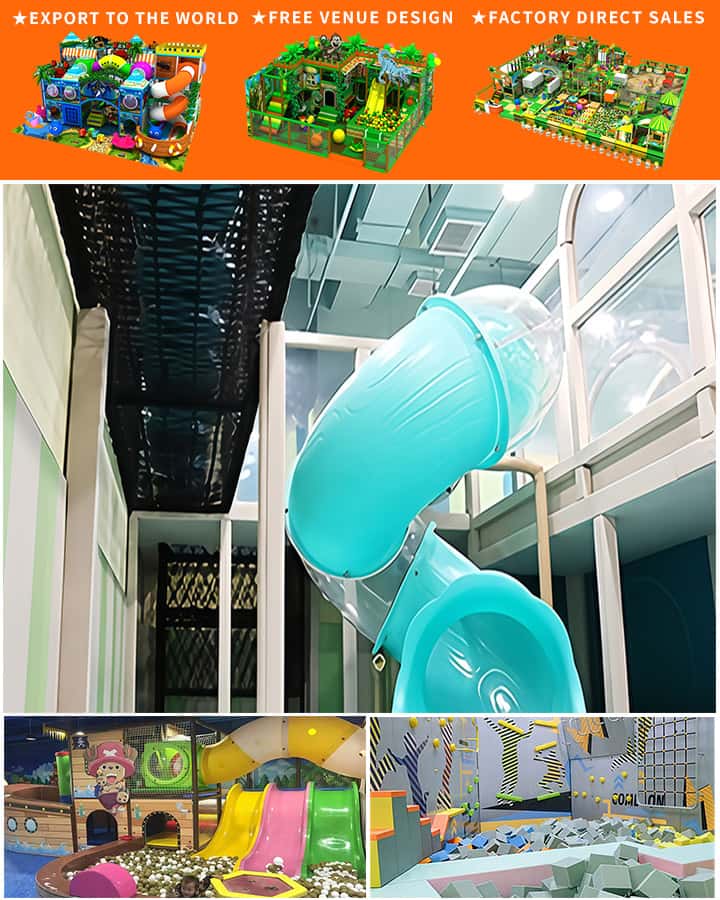
The design of your indoor playground should cater to various age groups and interests. Incorporate different sections like ball pits, climbing structures, slides, and interactive games. Ensure the layout promotes safety and easy supervision for parents. Work with professionals who specialize in commercial play areas to create an inviting and functional space.
Legal and Administrative Requirements
5. Obtain Necessary Permits and Licenses
Depending on your location, you may need specific permits and licenses to operate an indoor playground. These could include a business license, health department permits, fire safety inspections, and zoning approvals. Consult with local authorities to ensure full compliance with all regulations.
6. Register Your Business
Choose a suitable business structure (e.g., sole proprietorship, LLC) and register your business name with the appropriate government office. Obtain an Employer Identification Number (EIN) from the IRS for tax purposes.
Equipment and Safety
7. Source High-Quality Equipment
Invest in high-quality, safe, and durable play equipment. Partner with reputable suppliers who offer products that meet safety standards and have positive reviews. Regularly inspect and maintain the equipment to ensure it remains in good condition.
8. Implement Strict Safety Protocols
Safety should be a top priority. Train your staff on emergency procedures and ensure the play area complies with all safety regulations. Install soft flooring, padded barriers, and proper signage to minimize risks of injury. Have a first aid kit readily available and conduct regular drills.
Marketing and Operations
9. Develop a Marketing Strategy
Create a marketing plan that targets your ideal customers. Utilize social media, local advertising, partnerships with schools and preschools, and community events to generate buzz. Offer promotions, loyalty programs, and special events to attract and retain customers.
10. Hire and Train Staff
Hire friendly, reliable, and safety-conscious staff who are passionate about working with children. Provide comprehensive training on customer service, safety protocols, and emergency procedures. Foster a positive work environment to ensure high employee morale and retention rates.
Financial Management
11. Budget Wisely
Carefully manage your finances from the start. Create a detailed budget covering initial setup costs, operating expenses, salaries, utilities, and marketing efforts. Keep a close eye on cash flow to avoid financial pitfalls.
12. Monitor Performance
Regularly review your business performance against your financial projections. Adjust strategies as needed to address any discrepancies. Consider investing in accounting software to streamline financial management tasks.
Community Engagement
13. Build Strong Community Ties
Engage with your local community by hosting events, participating in charity functions, and collaborating with local businesses. Building strong relationships can enhance your playground’s reputation and foster word-of-mouth referrals.
14. Gather Feedback and Adapt
Solicit feedback from your customers to identify areas for improvement. Make necessary adjustments based on their suggestions to enhance the overall experience at your indoor playground.
By following these steps, you’ll be well on your way to launching a successful indoor playground business that brings joy to children and satisfaction to parents. Remember, patience, perseverance, and adaptability are key to thriving in this dynamic industry.