
When it comes to keeping children engaged, entertained, and safe indoors, investing in the right soft play equipment is a smart move. Whether you are a parent planning a home playroom or an entrepreneur looking to set up an indoor playground, choosing the perfect soft play equipment requires thoughtful consideration. Here’s an ultimate guide to help you make an informed decision when buying indoor soft play equipment.
Understanding Indoor Soft Play Equipment
Indoor soft play equipment refers to a variety of safe, cushioned structures designed specifically for children’s physical and imaginative play. These typically include items such as soft slides, ball pits, climbing frames, tunnels, and interactive panels. The primary goal is to provide a safe yet stimulating environment that encourages physical activity and creativity.
Benefits of Soft Play Equipment
- Safety First: Unlike traditional playgrounds with hard surfaces, soft play areas are padded, reducing the risk of injury from falls or bumps.
- Physical Development: Soft play promotes gross motor skills through activities like climbing, sliding, and balancing.
- Social Interaction: It encourages cooperative play and social interaction among children, which is crucial for their emotional and social development.
- Mental Stimulation: Many soft play setups incorporate sensory and cognitive elements that keep kids engaged and enhance their problem-solving abilities.
Key Considerations Before You Buy
Age Group
Ensure the equipment is appropriate for the children’s age range. Some pieces are better suited for toddlers, while others can be used by older kids. Always check the manufacturer’s guidelines to match the equipment with the child’s developmental stage.
Space and Layout
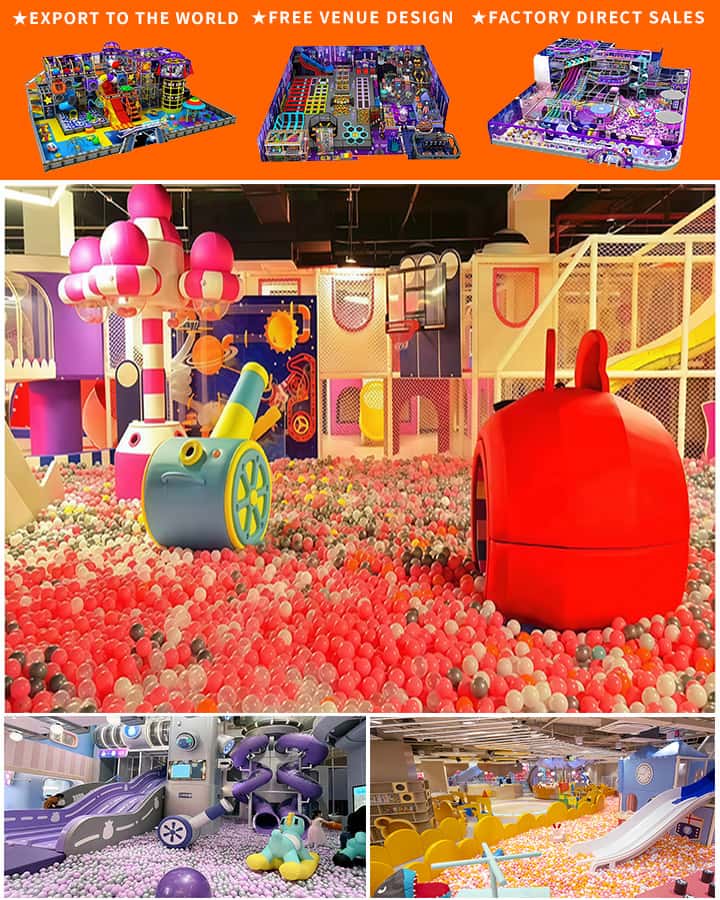 Evaluate the space where the soft play equipment will be installed. Measure your available area to ensure the equipment fits comfortably without overcrowding. Think about the layout to allow free movement and easy access to all parts of the play structure.
Safety Standards
Look for equipment that complies with safety standards such as ASTM (American Society for Testing and Materials) or EN71 (European Safety Standard). These certifications ensure that the equipment meets strict safety requirements.
Material Quality
High-quality materials not only last longer but also offer better safety and hygiene. Opt for non-toxic, durable materials that are easy to clean and maintain. Cushioned floors made from high-density foam are preferable for added safety.
Customization Options
Many suppliers offer customizable options to fit your specific needs. Whether it’s themed designs, color choices, or additional features like built-in educational elements, customization can significantly enhance the appeal and functionality of the play area.
Budget
Set a realistic budget and stick to it. Remember that while high-quality equipment might have a higher initial cost, it often offers better longevity and lower maintenance costs in the long run.
Top Picks for Indoor Soft Play Equipment
1. Soft Play Climbing Wall
Perfect for developing motor skills, a climbing wall with various grips and footholds provides a fun challenge for kids. Look for walls with adjustable difficulty levels to cater to different age groups.
2. Ball Pools
A classic feature, ball pools offer endless fun and are great for sensory play. Combine them with attached slides for an exciting addition.
3. Soft Play Slides
Whether spiral or straight, soft play slides add an element of thrill to any indoor playground. Ensure they have gentle slopes and secure handrails for safety.
4. Interactive Panels
These panels come embedded with various activities like puzzles, drawing boards, and shape sorters, offering both fun and learning opportunities.
5. Obstacle Courses
For a more comprehensive setup, obstacle courses provide a full range of activities, promoting balance, coordination, and teamwork among children.
Maintenance Tips
To keep your indoor soft play equipment in top condition:
- Regular Cleaning: Use mild detergent and water to clean the surfaces regularly. For deep cleaning, follow the manufacturer’s instructions.
- Spot Checks: Inspect the equipment daily for loose parts, tears, or damages, and address any issues promptly.
- Professional Servicing: Schedule periodic checks by professionals to ensure safety and longevity.
Conclusion
Investing in quality indoor soft play equipment can transform any space into a vibrant, safe haven for children’s play and development. By considering factors like age group, space, safety standards, and material quality, you can select the best equipment to meet your needs. With proper maintenance and care, these installations will provide years of enjoyment and benefit for children, making every penny spent worth it.