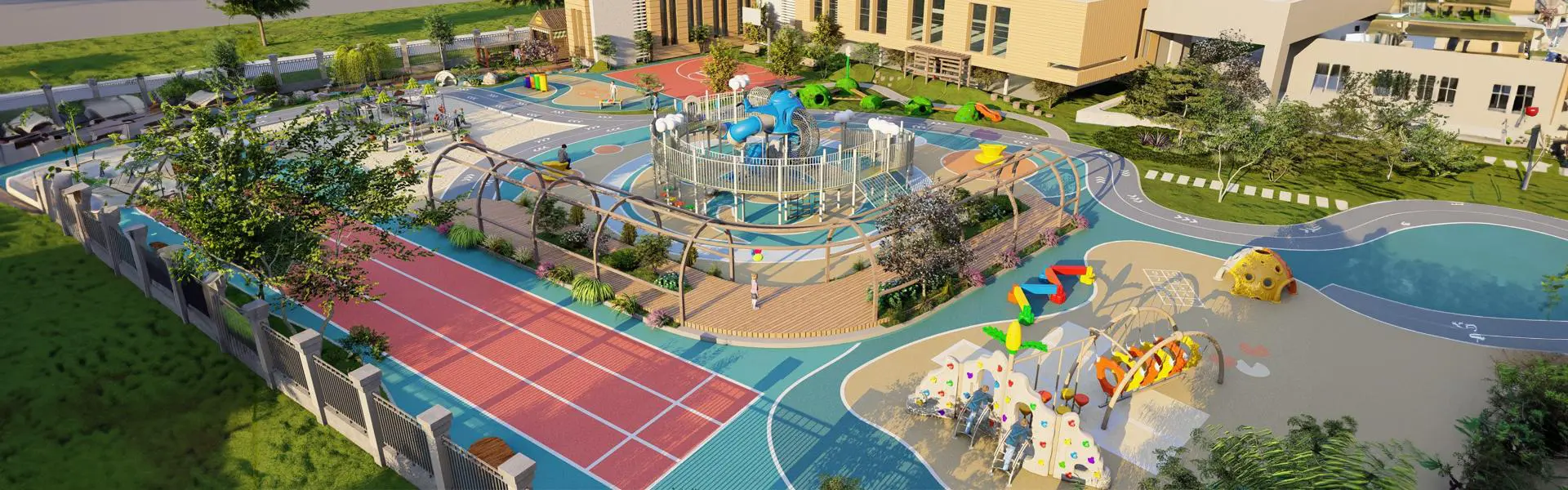
Constructing an indoor playground requires meticulous planning, creative design, and a substantial budget. The costs associated with such a project can vary significantly based on numerous factors like size, location, materials used, and the level of customization. Understanding these variables helps potential investors and business owners make informed decisions. Here’s a comprehensive overview of the various components that contribute to indoor playground construction costs.
Factors Influencing Indoor Playground Construction Costs
1. Size and Scale
The square footage of the indoor playground is one of the primary determinants of cost. Larger facilities require more materials, labor, and time, which can drive up expenses. However, economies of scale may also come into play, potentially lowering the cost per square foot as the facility size increases.
2. Location
The geographical location of the indoor playground has a significant impact on construction costs. Urban areas tend to have higher real estate prices and labor costs compared to rural areas. Additionally, zoning laws and local regulations might impose additional requirements, increasing construction complexity and expense.
3. Quality of Materials
The quality of materials selected for the playground equipment and structure can dramatically affect costs. High-quality, durable materials might have higher upfront costs but could offer better longevity and reduced maintenance expenses over time. On the other hand, opting for cheaper materials could result in lower initial expenditure but may incur higher long-term maintenance costs.
4. Labor Costs
Labor costs are influenced by regional wage variations and the complexity of the project. Specialized skills required for certain aspects of indoor playground construction—such as custom carpentry or advanced safety features—might necessitate hiring experts, thereby increasing overall costs.
5. Custom Features and Equipment
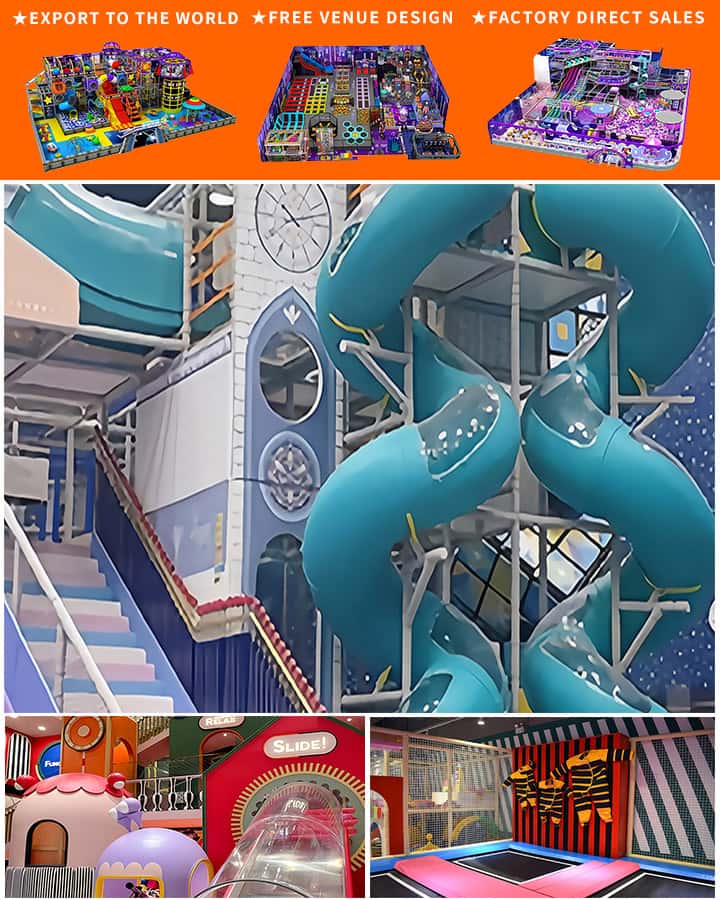 Indoor playgrounds often include customized play structures, themed areas, climbing walls, ball pits, and interactive installations. Each custom feature or piece of specialized equipment adds to the total cost. While these elements enhance the play experience and attractiveness of the facility, they also require a more substantial investment.
6. Safety Standards and Regulations
Compliance with safety standards and regulations is non-negotiable in indoor playground construction. These standards ensure the safety of children using the facility and may involve additional costs for specific safety features, inspections, and certifications. Non-compliance risks fines and legal issues, emphasizing the importance of adhering to these requirements.
Estimating Construction Costs
Typical Cost Range
While it’s challenging to provide a one-size-fits-all estimate due to the variability of factors involved, general estimates for constructing an indoor playground range from \(20,000 to \)500,000 or more. Smaller facilities (1,500 - 2,500 square feet) might fall on the lower end of this spectrum, while larger, premium indoor playgrounds can easily exceed $500,000.
Breakdown of Costs
To better understand where the money goes, here’s a typical breakdown:
- Design and Planning: 5-15% of the total budget
- Materials: 30-50%
- Labor: 20-40%
- Permits and Inspections: 5-10%
- Miscellaneous (contingencies, unexpected expenses): 5-10%
Tips for Managing Costs
1. Detailed Planning
Thorough planning helps avoid unexpected costs and delays. Work with experienced architects and contractors who specialize in indoor playgrounds to get accurate estimates and timelines.
2. Prioritize Features
Identify which features are essential and which ones might be considered luxuries. Prioritizing can help manage costs without compromising too much on the quality of the experience.
3. Budget for Contingencies
Always set aside a portion of the budget for unforeseen expenses. Construction projects rarely go exactly as planned, and having a financial cushion can prevent major disruptions.
4. Research and Negotiate
Compare quotes from multiple contractors and suppliers. Negotiate terms wherever possible to secure the best rates without sacrificing quality.
5. Consider Long-term Benefits
Investing in high-quality materials and construction can reduce long-term maintenance costs and enhance customer satisfaction, leading to better business performance over time.
Conclusion
Constructing an indoor playground involves a multifaceted approach, balancing quality, safety, and cost-effectiveness. By understanding the key factors influencing indoor playground construction costs, stakeholders can make well-informed decisions that align with their financial capabilities and business objectives. Whether it’s a small community center or a large commercial attraction, careful planning and smart investments are crucial for bringing an indoor playground vision to life within budget.