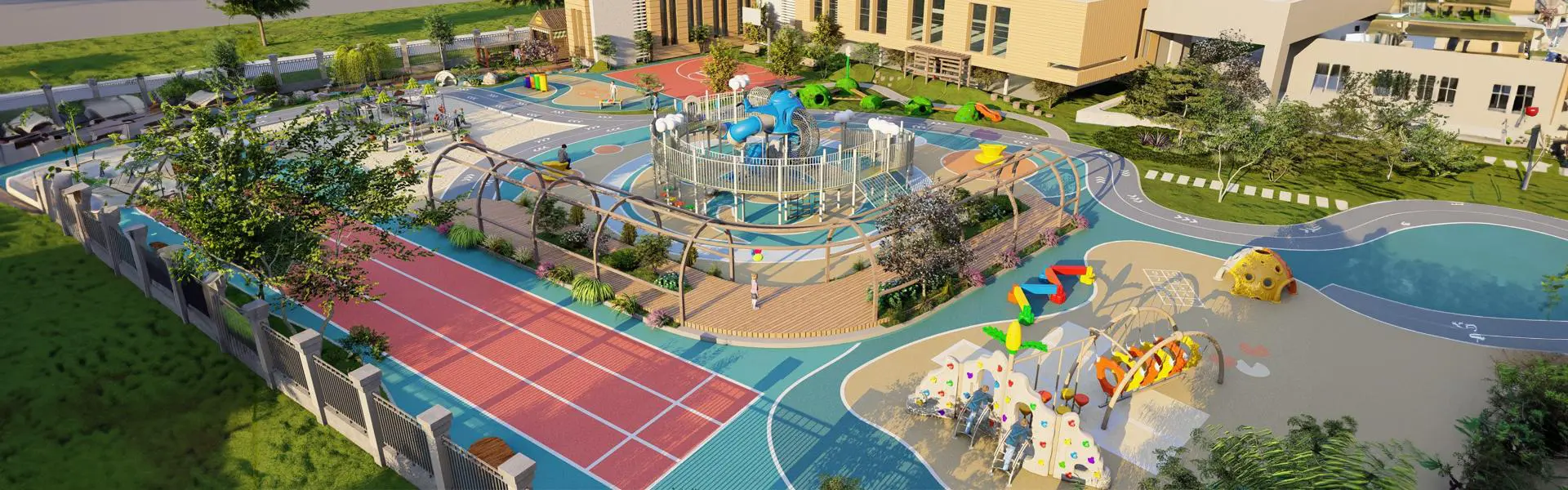
Embarking on the entrepreneurial journey of opening an indoor playground can be as exhilarating as it is daunting. The idea of creating a space where children can play and parents can feel at ease is undoubtedly rewarding, but understanding the startup costs involved is crucial for planning and financial stability. This article delves into the various factors that contribute to the initial expenses of setting up an indoor playground.
Initial Planning and Research
Before any physical setup begins, thorough planning and research are paramount. This involves market analysis to understand local demand, competition, and potential customer demographics. Engaging in detailed feasibility studies, including surveys and focus groups, can provide insights that shape your business model. Allocating a budget for professional consultations with business advisors and market researchers is essential.
Facility Acquisition and Setup
The location of your indoor playground plays a significant role in its success. Renting or purchasing a suitable space can vary greatly in cost depending on the city and neighborhood. Prime locations with high foot traffic, like shopping centers or busy commercial areas, tend to be more expensive. Additionally, the cost of renovations to ensure safety, aesthetic appeal, and compliance with local regulations should be factored in.
Equipment and Safety Features
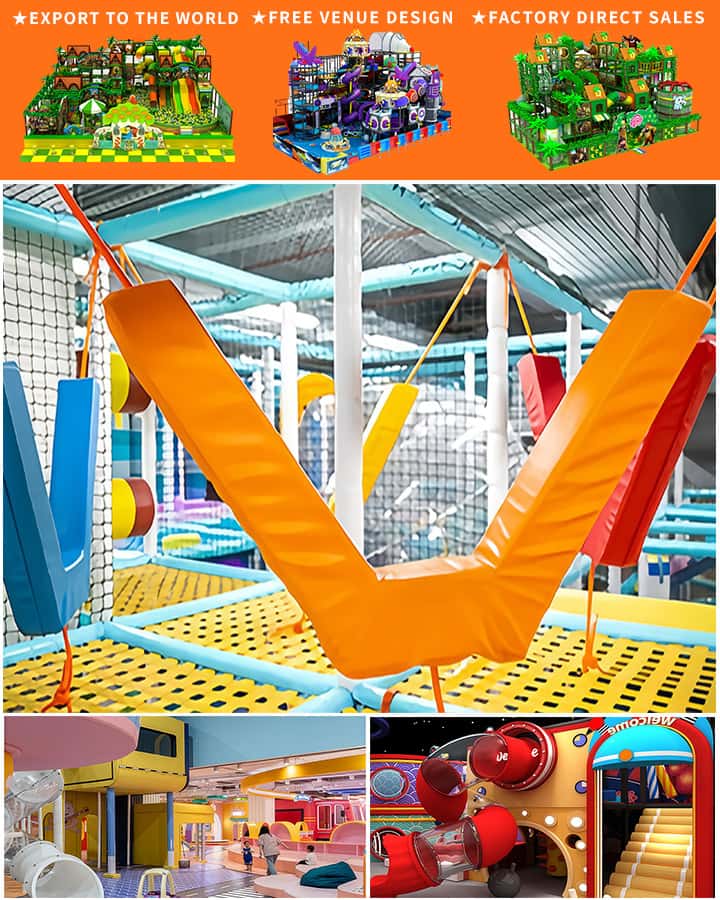
Purchasing or leasing play equipment is one of the most substantial investments. High-quality, safe, and engaging playground equipment tailored to various age groups can be costly. This includes slides, ball pits, climbing structures, and interactive installations. Safety features such as soft flooring, padding, and secure barriers are non-negotiable and add to the initial expenses. It’s crucial to balance fun with safety to attract and retain customers.
Licensing and Insurance
Obtaining the necessary permits and licenses to operate is another vital step. These may include business licenses, health and safety inspections, and entertainment permits. Each locality has its specific requirements, so it’s wise to consult with legal experts familiar with the area. Insurance is equally important to protect against liabilities and unforeseen accidents. Comprehensive coverage, including general liability and property insurance, ensures peace of mind and financial security.
Marketing and Branding
No indoor playground can thrive without effective marketing. Developing a brand identity, including logos, color schemes, and promotional materials, requires an investment. Digital marketing strategies such as social media campaigns, search engine optimization (SEO), and pay-per-click (PPC) advertising help reach potential customers. Traditional methods like flyers, posters, and partnerships with local schools or community centers also play a role in building awareness.
Operational Expenses
While not part of the startup costs, it’s prudent to plan for ongoing operational expenses from day one. Staff salaries, utilities, maintenance, and periodic upgrades to equipment are recurring costs that need attention. Adequate cash flow management ensures smooth operations and mitigates financial risks.
Conclusion
Starting an indoor playground is a venture filled with both challenges and opportunities. By meticulously planning and understanding the startup costs involved—from facility acquisition and equipment purchase to licensing and marketing—you lay a strong foundation for a successful business. Investing time and resources in thorough preparation will not only minimize financial surprises but also enhance the likelihood of creating a thriving, joyful, and safe environment for children and their families.