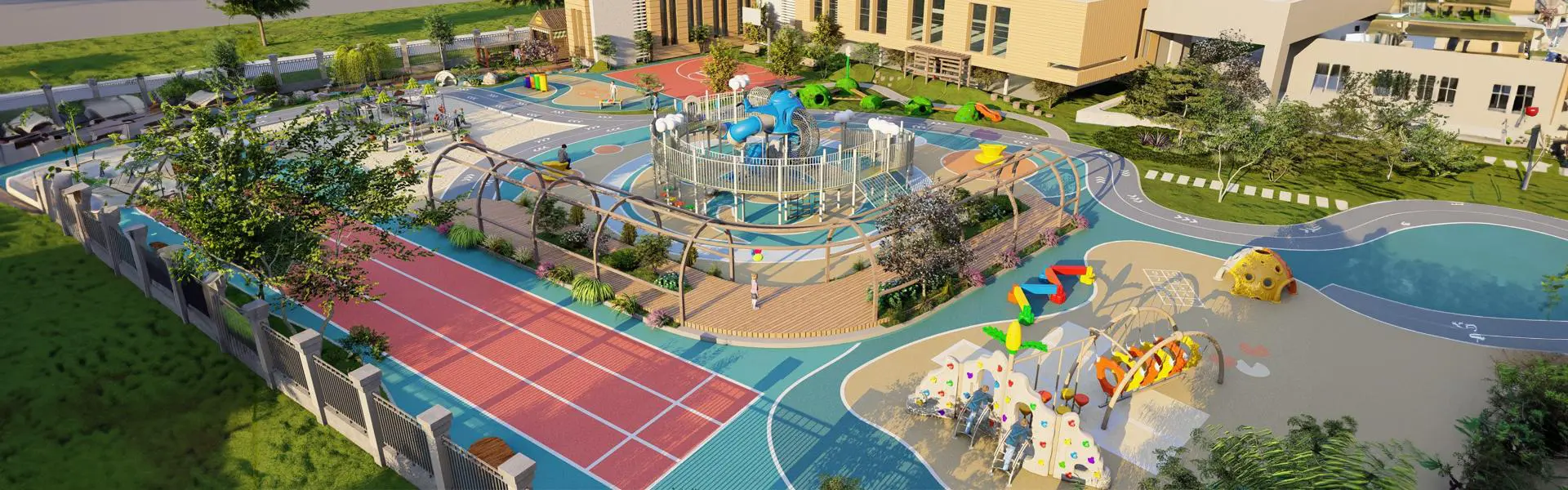
In today’s fast-paced world, finding safe and enriching spaces for toddlers to play can be a challenge. However, indoor playgrounds for toddlers have emerged as an ideal solution, offering a controlled environment where young children can explore, learn, and grow. These specialized facilities cater specifically to the needs of toddlers, ensuring that their early developmental milestones are met through engaging and age-appropriate activities.
Indoor playgrounds for toddlers are designed with safety, stimulation, and education in mind. Soft flooring, padded equipment, and childproof barriers ensure that the risk of injury is minimized, creating a secure environment for little ones to play freely. The structures are often scaled down to suit toddler dimensions, allowing them to navigate and interact with the playground apparatus comfortably. This thoughtful design promotes physical activity, which is crucial for their growing bodies and motor skills development.
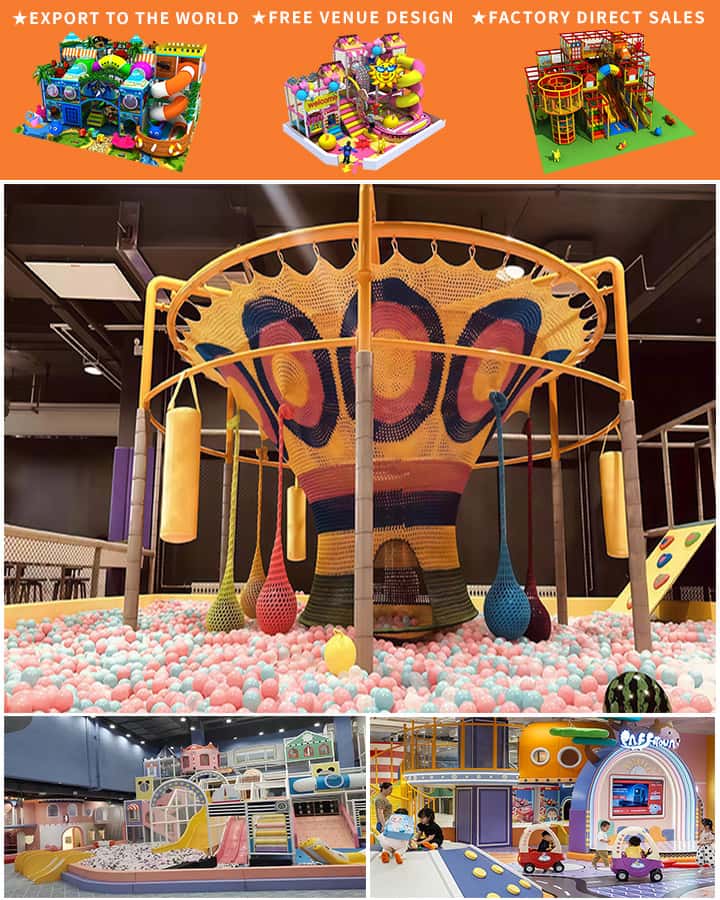
One of the key advantages of indoor playgrounds is that they provide a climate-controlled environment, making them an excellent choice regardless of the weather outside. This means that parents can bring their toddlers for some active fun without worrying about rain, extreme heat, or cold temperatures. Year-round accessibility ensures that families can maintain a regular schedule of physical activity, which is essential for the overall health and well-being of children.
In addition to physical benefits, indoor playgrounds are also rich with opportunities for cognitive and social development. Many of these play areas incorporate educational elements such as sensory walls, interactive exhibits, and puzzles that stimulate curiosity and learning. Climbing structures, slides, and ball pits encourage problem-solving, coordination, and balance, while also fostering creativity and imagination. Social interaction is another critical component; toddlers learn to share, take turns, and build friendships through guided play.
Parents also benefit from indoor playgrounds, as they often feature designated rest areas and clear sightlines, ensuring that caregivers can relax while keeping a watchful eye on their children. Some facilities even offer programs that include storytime sessions, music classes, and art activities, further enhancing the developmental experience for toddlers.
In conclusion, indoor playgrounds for toddlers are more than just places to expend energy; they are integral environments for nurturing young minds and bodies. By providing safe, stimulating, and educational experiences, these playgrounds support the holistic development of toddlers, preparing them for future growth. As communities continue to recognize the importance of early childhood development, the demand for high-quality indoor playgrounds is likely to rise, ensuring that more children have access to these invaluable spaces.