When it comes to the development and happiness of preschoolers, nothing quite matches the joy of a well-designed indoor play area. For 4-year-olds, this space is not merely a place for fun but also an essential environment for social, physical, and cognitive growth. Whether you’re planning an area at home or seeking recommendations for a public facility, here are some key factors to consider when designing or choosing an indoor play area for your little one.
Safety First
Safety should always be the top priority in any indoor play area for 4-year-olds. Given their boundless energy and curiosity, children need a safe environment where they can explore freely without getting hurt. Make sure that:
- Materials are Non-Toxic: All toys and surfaces should be made from non-toxic materials to prevent exposure to harmful chemicals.
- Soft Flooring: Use soft mats or carpets to cushion falls. Foam padding is another excellent option for areas like slides or climbing structures.
- Rounded Edges: All furniture and play equipment should have rounded corners to avoid sharp edges that can cause injuries.
Stimulating Design
An engaging indoor play area should offer a variety of activities that cater to different aspects of a child’s development. Here’s how to create a stimulating environment:
- Interactive Toys: Incorporate a mix of interactive toys, puzzles, and educational games to encourage learning through play.
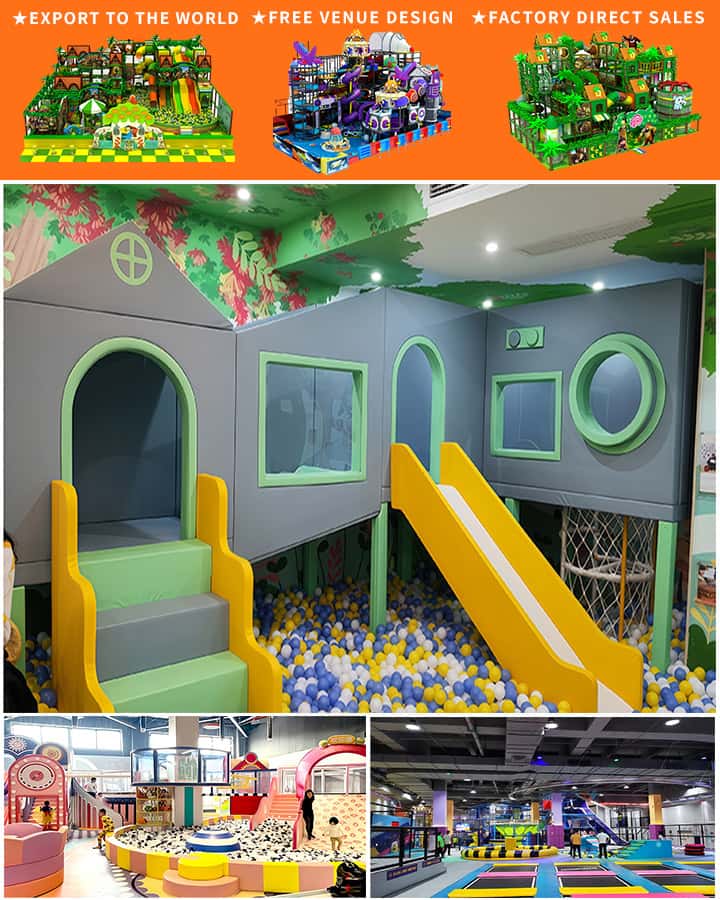
- Climbing Structures: Climbing walls, slides, and ladders are great for physical activity and help improve motor skills.
- Creative Corners: A designated space for arts and crafts allows children to express themselves creatively. Stock up on crayons, paint, playdough, and other crafting supplies.
Social Interaction
At four years old, children begin to understand the value of social interaction more deeply. An indoor play area should facilitate opportunities for them to play together, share, and collaborate. Consider these features:
- Group Activities: Provide space for group games like mini basketball hoops, ball pits, or cooperative board games.
- Quiet Zones: While active play is essential, so is downtime. Designate quiet areas with comfortable seating, books, and soft music for relaxation and quiet reading.
- Themed Play Areas: Create themed zones (like a mini market, doctor’s office, or construction site) where children can role-play and engage in pretend scenarios.
Flexibility and Adaptability
Children grow rapidly, both physically and mentally. Your indoor play area should be adaptable to accommodate their changing needs. Modular furniture and multipurpose equipment can make transitions smoother:
- Adjustable Furniture: Tables and chairs that can adjust in height as children grow ensure longevity in use.
- Versatile Spaces: Opt for versatile spaces that can easily transform from a play area to a learning zone or even a napping spot.
Cleanliness and Maintenance
Maintaining hygiene is crucial in an indoor play area. Children are prone to picking up germs quickly, so regular cleaning is vital. Ensure that:
- Surface Cleaning: All high-touch surfaces and toys are regularly disinfected.
- Easy-to-Clean Materials: Choose furniture, flooring, and decor made from materials that are easy to clean and maintain.
- Waste Disposal: Have clearly marked trash bins accessible to children to teach them the importance of keeping their space tidy.
Final Thoughts
Creating an indoor play area for 4-year-olds involves a careful balance of safety, stimulation, and flexibility. By focusing on these elements, you can provide a nurturing and enjoyable environment that supports your child’s growth and development. Remember, the goal is to create a space where your child feels secure enough to explore their world while having endless fun in the process!