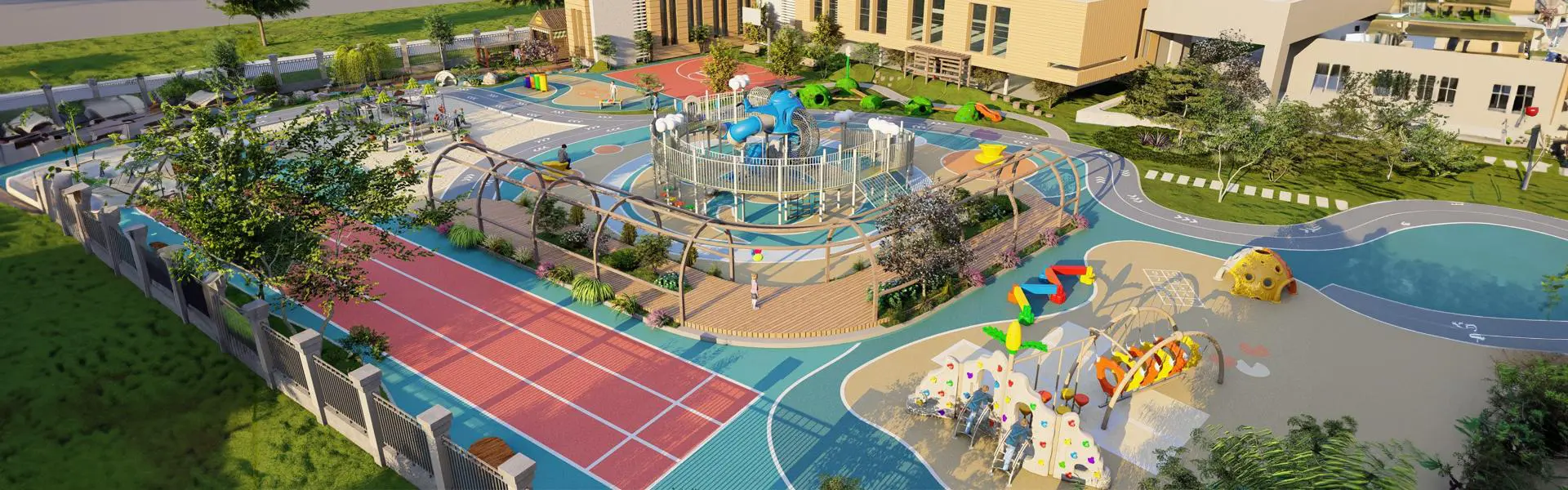
When it comes to designing an engaging indoor playground, the choice of equipment is crucial. The right selection can make a space both fun and safe for children, providing endless hours of entertainment while also promoting physical development. Here are some innovative design ideas to consider when planning your indoor playground equipment:
Modular Climbing Structures Climbing walls and structures are staples of any indoor playground, but modular designs add versatility. These structures can be reconfigured in various ways to create different challenges. Consider incorporating elements like ropes, ladders, and climbing handles in multiple shapes and sizes to cater to different age groups and skill levels.
Interactive Sensory Walls Engage children’s senses with interactive sensory walls. These can include tactile panels with different textures, sound-emitting buttons, or even light-up features that change color. Sensory walls not only provide sensory stimulation but also encourage exploration and learning through play.
Themed Play Areas Create themed play areas within the playground to spark imagination. Whether it’s a pirate ship, jungle adventure, or space station, themed equipment can transport children to different worlds. Use vibrant colors and themed decorations to enhance the experience and make each area feel unique.
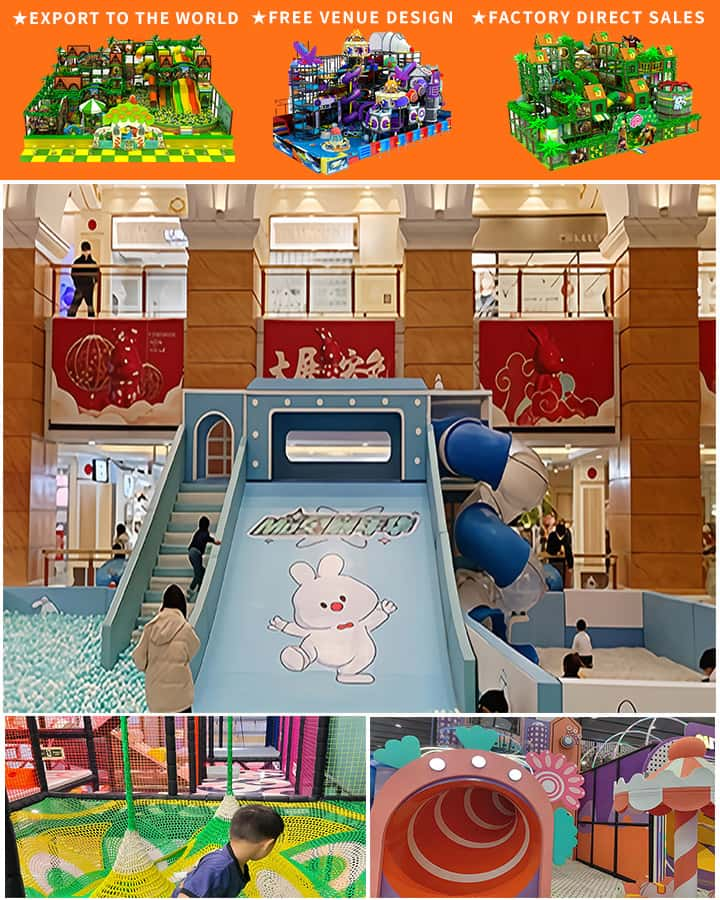
Soft Play Equipment Safety is paramount, especially for younger children. Soft play equipment, made from foam and other materials, offers a cushioned environment where kids can safely crawl, jump, and explore. Think about soft play shapes like tunnels, blocks, and balls to add variety and fun.
Physical Challenge Courses Introduce physical challenge courses that promote balance, coordination, and strength. Balance beams, stepping stones, and obstacle courses can be designed to be both fun and functional. Ensure these courses are age-appropriate and have varying difficulty levels to keep all children engaged.
Educational Elements Incorporate educational elements into the playground design. Puzzle panels, alphabet and number games, and interactive boards can provide learning opportunities while children play. These elements can be integrated into the structure itself or available as separate activities within the play area.
Multi-Level Play Structures Utilize vertical space effectively by creating multi-level play structures. These can include platforms, bridges, and slides connecting different levels. Multi-level designs not only maximize floor space but also add an extra layer of excitement and complexity to the playground layout.
Rotating Features Keep the playground dynamic and exciting with rotating features. This could mean periodically changing out certain pieces of equipment or introducing seasonal themes and activities. Rotating features ensure that repeat visitors always have something new to explore.
Inclusive Design Ensure that your playground is inclusive and accessible to all children. Incorporate wheelchair-accessible ramps, sensory-rich areas for children with disabilities, and equipment that accommodates various physical abilities. Inclusive design fosters a sense of community and ensures every child can participate in the fun.
Nature-Inspired Elements Bring a touch of nature indoors with nature-inspired playground elements. Faux trees, leafy climbing surfaces, and natural-looking ground coverings can create a refreshing and inviting atmosphere. These elements can be especially calming and stimulating for children who may not have regular access to outdoor spaces.
Designing an indoor playground requires careful consideration of safety, functionality, and creativity. By integrating these design ideas, you can create a captivating and enriching environment that will delight children and encourage their physical and cognitive development.