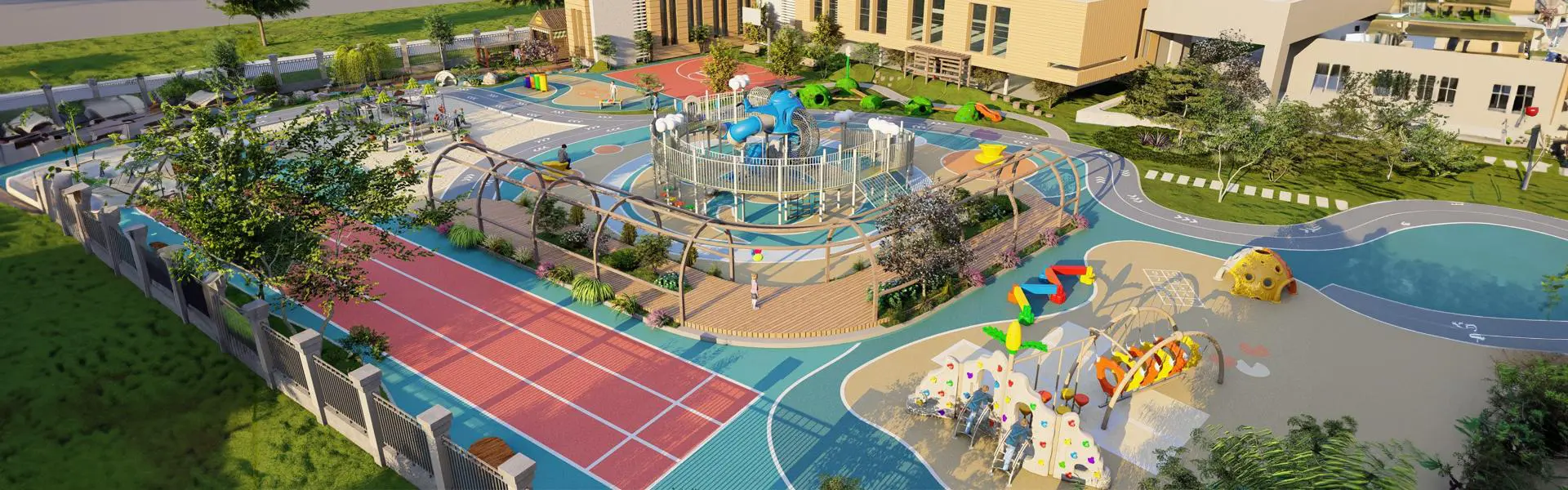
Designing indoor playground equipment for preschoolers requires a blend of creativity, safety, and developmental appropriateness. As educators and caregivers strive to create engaging and educational play environments, innovative ideas can make a significant difference in the learning and play experiences of young children. Here are some inspiring design ideas tailored specifically for preschoolers:
1. Interactive Learning Zones
Incorporating interactive learning zones into the indoor playground design can enhance cognitive development and motor skills. These zones can feature touch-sensitive panels that light up or play sounds when touched, encouraging sensory exploration and fine motor skill development. Interactive storytelling corners with animated screens and sound effects can also captivate young minds while fostering language skills and imagination.
2. Soft Play Structures
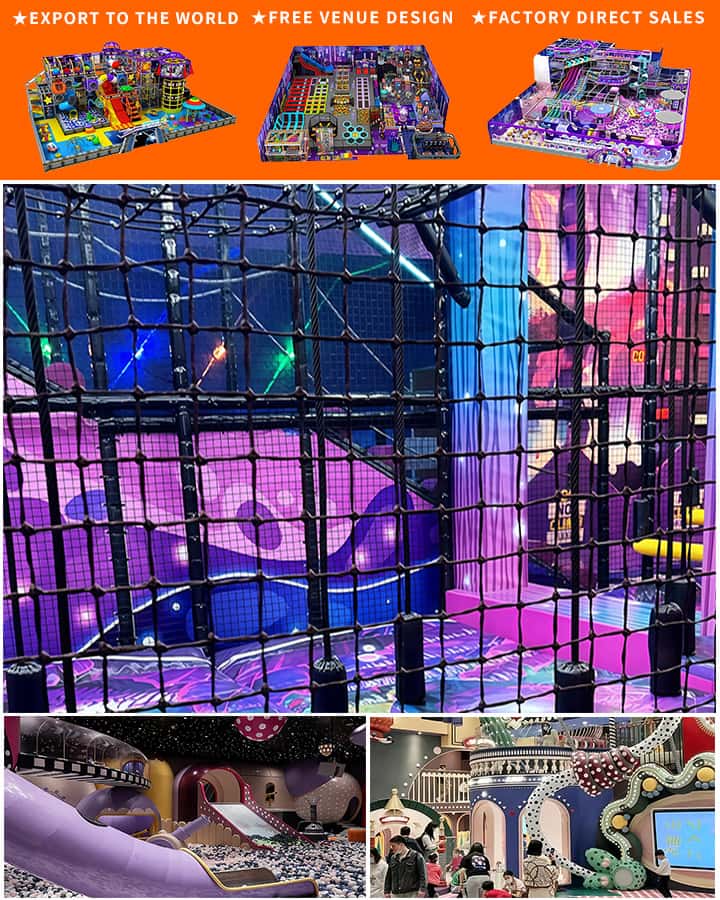
Safety is paramount in designing indoor playgrounds for preschoolers. Soft play structures made from high-quality foam or soft materials provide a safe environment for climbing, sliding, and jumping. These structures should have rounded edges and be designed to minimize the risk of injury from falls. Incorporating tunnels, bridges, and small slides can create an engaging and dynamic play experience.
3. Educational Role-Play Areas
Preschoolers love role-playing, and designing specific areas for various roles can stimulate social interactions and creative thinking. For instance, a mini grocery store can teach basic math concepts, while a pretend kitchen can introduce culinary terms and encourage cooperative play. A doctor’s office or fire station can help children understand community roles and develop empathy.
4. Nature-Inspired Play Spaces
Integrating elements of nature into indoor playground design can provide a refreshing and calming atmosphere. Use earthy colors, natural materials like wood and stone, and plant decorations to mimic an outdoor environment. Features such as indoor trees with climbable branches or small gardens where children can plant seeds can nurture a connection with nature and promote environmental awareness.
5. Physical Development Zones
Encouraging physical activity is essential for the healthy development of preschoolers. Designate areas specifically for physical play, incorporating elements like balance beams, small trampolines, and climbing walls. Soft mats and cushioned floors ensure safety while allowing children to explore their physical capabilities and improve their coordination and strength.
6. Sensory Play Areas
Sensory play is crucial for developing sensory processing skills. Create sensory play areas with varied textures, lights, and sounds. Activities could include sand tables, water play features, or sensory walls with different materials to touch and feel. These areas not only engage multiple senses but also offer therapeutic benefits by helping to regulate sensory input.
7. Art and Craft Stations
Promoting creativity through art and craft activities is an excellent way to enhance fine motor skills and self-expression. Design dedicated spaces for painting, drawing, collage-making, and other craft activities. Ensure these stations are well-equipped with child-safe materials and easy-to-clean surfaces to encourage mess-free creativity.
8. Quiet Reading Corners
While active play is important, quiet time is equally valuable. Create cozy reading corners with comfortable seating, soft lighting, and a selection of age-appropriate books. These nooks offer a retreat for children to relax, read, and cultivate a love for literature in a peaceful environment.
In conclusion, designing indoor playground equipment for preschoolers involves thoughtful consideration of safety, developmental needs, and engagement. By integrating interactive learning zones, soft play structures, educational role-play areas, and sensory play spaces, we can create enriching environments that support the growth and development of young children. With creativity and care, it is possible to build indoor playgrounds that inspire, educate, and delight preschoolers.