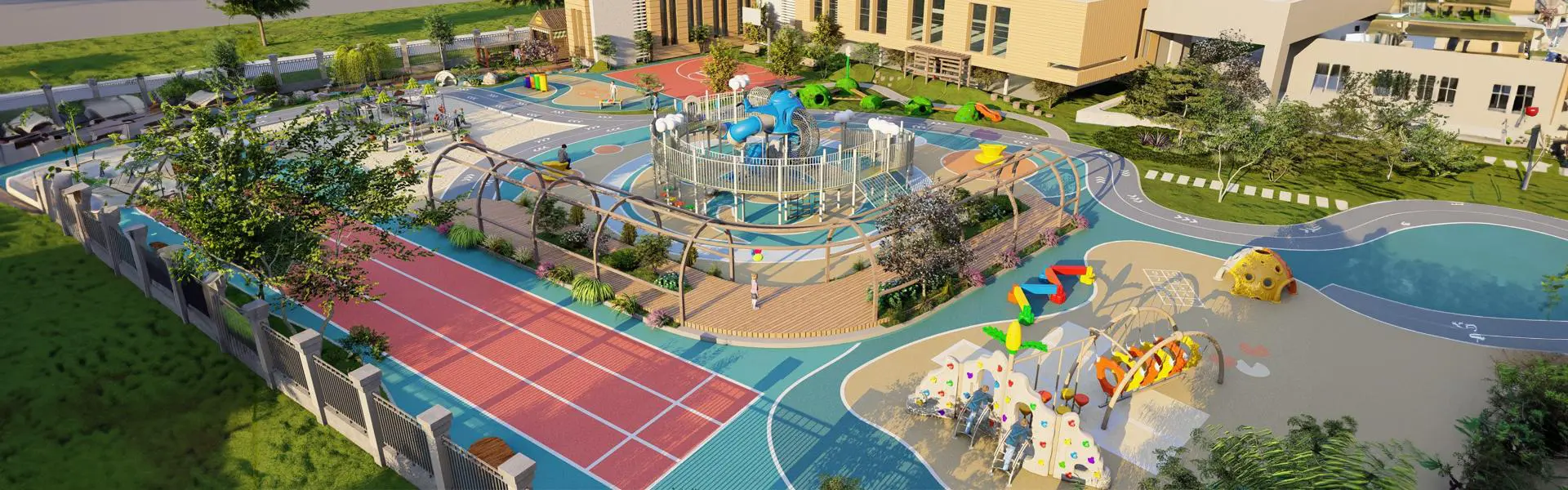
Designing an indoor playground for preschoolers can be a delightful challenge, combining creativity, safety, and educational value. With a few innovative ideas and free resources, you can create an engaging and stimulating environment that will captivate young minds. Below are some fantastic design ideas to inspire your next project.
1. Interactive Storytelling Corner
Create a cozy nook with soft seating where children can gather for storytime. Use vibrant cushions and a small, elevated platform to make the storyteller the center of attention. Add a backdrop with scenes from popular children’s books to enhance storytelling experiences. This corner encourages literacy and imagination while providing a quiet place for group activities.
2. Sensory Play Area
A sensory play area can be both calming and stimulating for preschoolers. Incorporate elements like a bubble tube wall, textured mats, and interactive light panels. These installations provide tactile and visual experiences that are crucial for sensory development. You can find free DIY ideas online to create these features using simple materials like PVC pipes, LED lights, and fabric.
3. Educational Climbing Wall
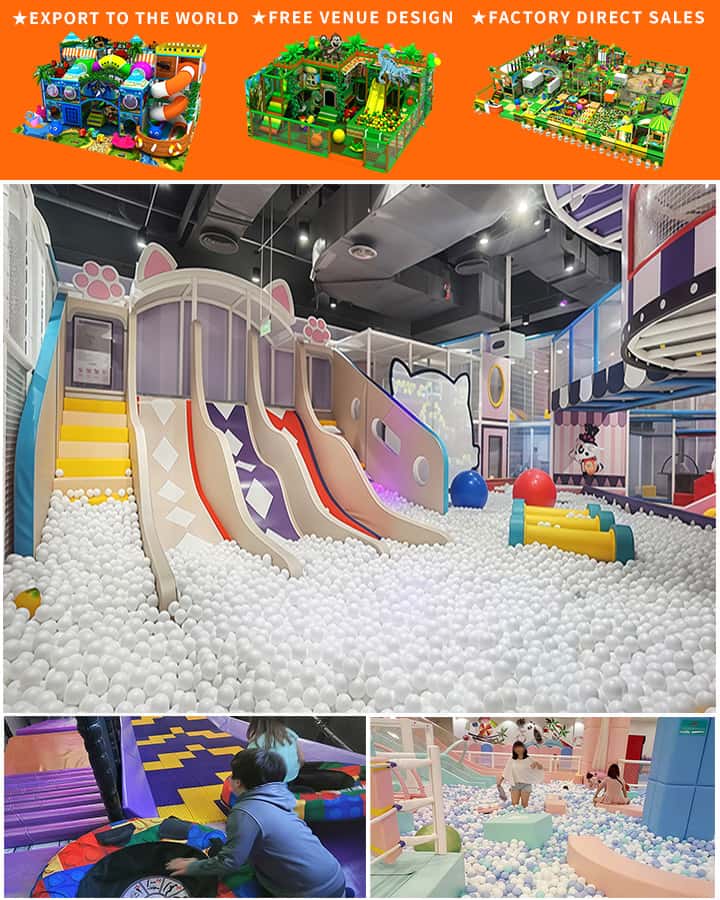
Combine physical activity with learning by designing a climbing wall featuring numbers, letters, shapes, or even simple math problems. Each step can have a corresponding question or task, making climbing an educational adventure. Use bright colors and fun graphics to keep kids motivated. Free printable templates and stencils online can help you design and decorate this feature without breaking the bank.
4. Artistic Expression Space
Dedicate a section of the playground to creative arts with an art wall or a chalkboard mural. Provide various art supplies such as washable paints, crayons, and colored chalk. Encourage children to express themselves through drawing, painting, and collage-making. This space not only nurtures creativity but also fine motor skills. Look for free art project ideas and inspiration on educational websites and blogs.
5. Nature-Inspired Play Area
Bring a touch of the outdoors inside by creating a nature-themed play area. Use artificial turf, faux trees, and natural-looking decorations to mimic an outdoor environment. Include elements like a small sandbox or a mini garden where kids can plant herbs or flowers. This setting promotes exploration and teaches children about nature in a safe indoor setting. You can find free landscaping tips and DIY garden plans online to guide your design.
6. Musical Playground
Incorporate musical instruments throughout the playground for an auditory experience. Simple percussion instruments like drums, xylophones, and tambourines can be mounted at child height for easy access. Consider adding a sound-responsive floor that plays different tones when stepped on. Musical play encourages rhythm recognition and coordination, enhancing cognitive and motor development. Many music education websites offer free resources and instrument tutorials tailored for young children.
7. Role-Playing Areas
Set up different themed stations like a mini grocery store, doctor’s clinic, or construction site. Use costumes, props, and play money to enrich the role-playing experience. This type of play helps develop social skills, language abilities, and understanding of different roles within society. Websites offering free printable signs, currency, and forms can help you outfit these stations without spending extra.
Final Thoughts
Designing an indoor playground for preschoolers doesn’t have to be expensive or complicated. With creativity and a bit of research, you can craft a space that is both enjoyable and educational for young children. Utilize free online resources, DIY projects, and a little imagination to bring these design ideas to life, ensuring your playground is a hit with the little ones. Happy planning!