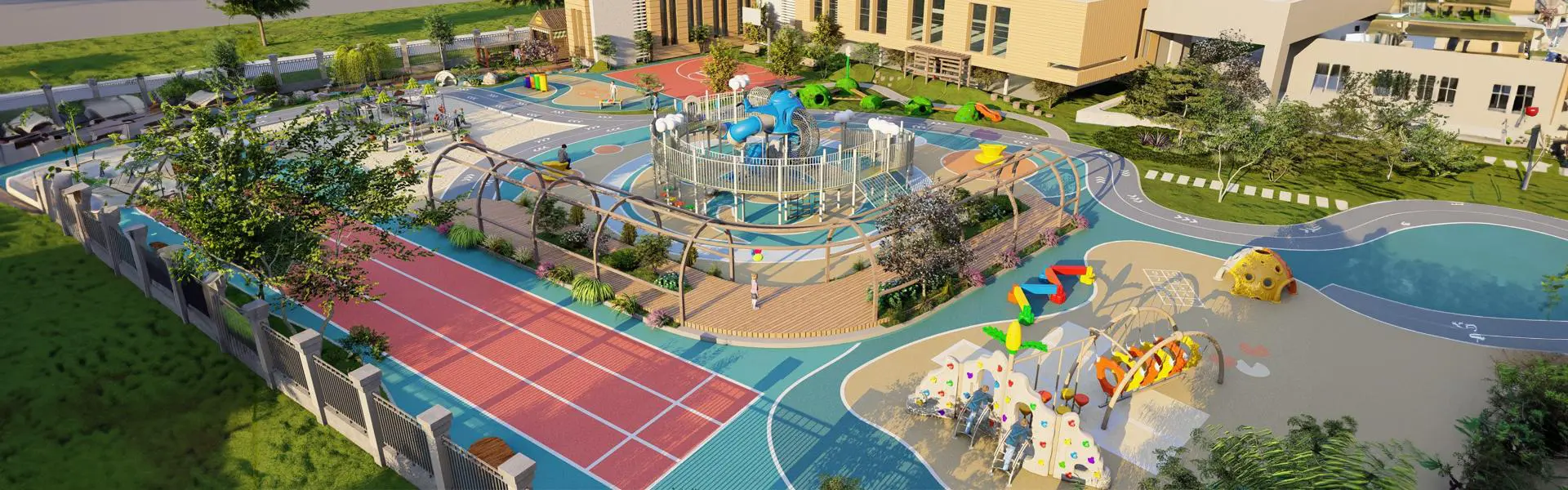
Preschool classrooms are not just about learning letters and numbers; they are spaces where creativity, physical activity, and exploration come together to shape young minds. One of the most effective ways to create a dynamic and stimulating environment for preschoolers is by incorporating innovative indoor playground equipment. Here are some design ideas that can transform a standard classroom into an engaging and educational wonderland for young children.
1. Interactive Learning Walls
Interactive learning walls combine play with education. These walls can be equipped with various elements such as puzzles, alphabet magnets, shape sorters, and small climbing structures. The vertical space is utilized effectively, making it both fun and instructive. Incorporating these features encourages kids to explore different textures, shapes, and colors while developing their cognitive skills. Additionally, sensory panels featuring different materials like sandpaper, silk, or foam can enhance tactile experiences and sensory development.
2. Modular Climbing Structures
Safety is paramount when designing playground equipment for preschoolers, and modular climbing structures can address this concern while providing endless entertainment. These structures can be built with soft, interlocking foam blocks or lightweight, durable plastic pieces that allow for easy reconfiguration. Modular designs enable teachers to adjust the complexity and size of the climbing structures, ensuring they are suitable for children of all ages and abilities. This flexibility also keeps the environment fresh and engaging for repeated use.
3. Under-the-Sea Exploration Area
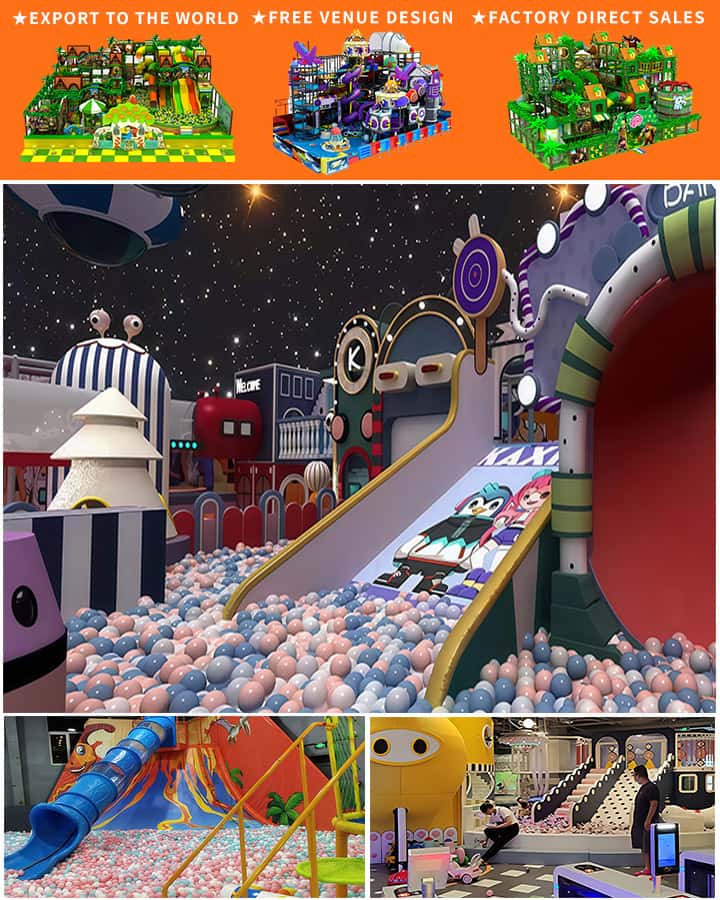
Turning a section of the classroom into an “under-the-sea” themed exploration area can spark imaginative play and curiosity about marine life. This area can feature soft, blue flooring to mimic water, along with plush sea creatures, an inflatable submarine, and interactive panels showing underwater scenes. Children can crawl through tunnels, find hidden treasures, and even engage in simple science experiments like floating and sinking objects in a shallow water table. Such thematic play areas foster storytelling, social interaction, and scientific inquiry.
4. Sensory Play Zones
Sensory play is crucial for the development of fine motor skills and sensory processing. A dedicated sensory play zone can include elements like a sand pit, a water table with funnels and cups, a mirror maze, and a texture wall. Each element offers a unique sensory experience, from the feel of wet sand between fingers to the visual stimulation of reflective surfaces. Providing a variety of sensory activities ensures that every child finds something enjoyable and beneficial.
5. Role-Playing Areas
Role-playing is an essential part of childhood development, helping children understand the world around them and practice social skills. Designate an area for role-playing with costumes, props, and themed settings such as a mini market, doctor’s clinic, or restaurant. Furniture like small tables, chairs, and counters can be crafted from lightweight wood or sturdy plastic to ensure safety. Rotating the themes regularly can keep the role-playing area exciting and relevant to current interests or ongoing classroom activities.
6. Quiet Reading Nooks
While active play is important, so is having quiet spaces for reading and reflection. Create cozy reading nooks with bean bags, small bookshelves, and soft lighting. These areas can be decorated with murals or wall decals depicting stories and nature scenes, providing a serene backdrop for children to immerse themselves in books. Adding a few plush toys can make reading time more inviting, encouraging reluctant readers to pick up a book.
Conclusion
Designing an indoor playground within a preschool classroom requires thoughtful consideration of both educational value and safety. By integrating interactive learning walls, modular climbing structures, thematic exploration areas, sensory play zones, role-playing stations, and quiet reading nooks, educators can cultivate a well-rounded environment that stimulates all aspects of a child’s development. Through creative design and careful planning, preschool classrooms can become vibrant spaces where learning and play go hand in hand.