
Opening an indoor playground has become an increasingly popular business venture in recent years, driven by the desire to provide families with fun and engaging places for children to play, regardless of the weather. While the potential for profitability and community engagement is significant, it is essential to consider various factors before diving into this industry. Here are some key points to evaluate the viability of opening an indoor playground as a good business.
1. Market Demand
Understanding the local market demand is crucial. With increasing concerns about childhood obesity and the need for safe, stimulating environments, many parents are looking for alternatives to traditional outdoor playgrounds. Urban areas often have limited outdoor space, making indoor playgrounds particularly appealing. Conduct thorough market research to gauge interest, assess competition, and identify gaps in the market that your indoor playground could fill.
2. Financial Investment
The initial financial investment for opening an indoor playground can be substantial. Costs include leasing or purchasing a suitable location, designing and building the playground, acquiring safety-certified equipment, and obtaining the necessary permits and licenses. Additionally, ongoing expenses such as staff salaries, maintenance, utilities, and marketing must be considered. A detailed business plan that includes projected revenues and expenses will help determine if the financial investment is justifiable and sustainable.
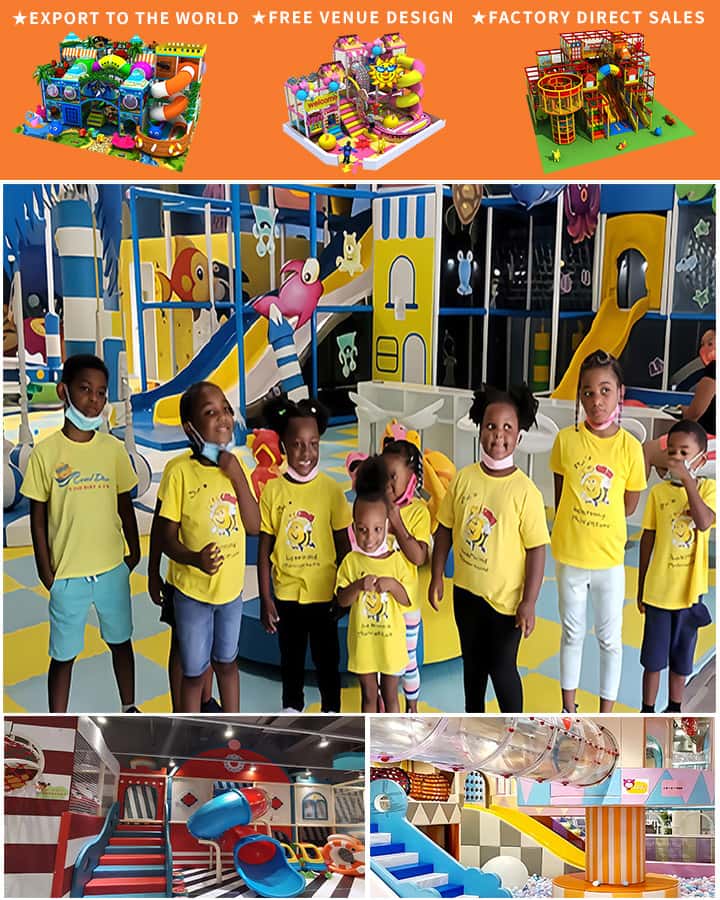
3. Safety and Compliance
Safety is paramount when operating an indoor playground. Ensuring that all equipment meets safety standards and regulations is not only crucial for protecting children but also for avoiding legal liabilities. This includes regular inspections, proper installation, and adherence to fire codes and other local ordinances. Investing in high-quality, well-maintained equipment and having clear policies on supervision and usage can significantly enhance the safety of your facility.
4. Diverse Offerings and Services
To stand out from competitors and attract repeat customers, consider offering a diverse range of services and amenities. This might include themed play areas, educational workshops, birthday party packages, and even adult spaces where parents can relax while their children play. By catering to various needs and preferences, you can create a more comprehensive and attractive destination, increasing customer loyalty and word-of-mouth referrals.
5. Marketing and Community Engagement
Building a successful indoor playground requires effective marketing strategies and strong community engagement. Utilize social media, local advertising, partnerships with schools and childcare centers, and community events to raise awareness and attract visitors. Offering promotions, discounts, and loyalty programs can also incentivize repeat business. Engaging with the community through sponsorships of local events or charity drives can further establish your playground as a valuable asset to the area.
6. Staffing and Operational Management
Hiring qualified and reliable staff is critical for smooth operations and maintaining a positive experience for visitors. Employees should be trained in child supervision, safety protocols, and customer service. Effective scheduling, staff management, and operational procedures will help ensure that the playground runs efficiently and safely at all times.
7. Potential Challenges
Despite its potential benefits, opening an indoor playground comes with challenges. These may include dealing with liability issues, ensuring consistent customer satisfaction, managing fluctuating seasonal demand, and keeping up with evolving safety standards. Being prepared with contingency plans and adaptability strategies can mitigate some of these risks.
Conclusion
Opening an indoor playground can be a rewarding and profitable business opportunity if approached with careful planning and consideration. By thoroughly evaluating market demand, financial investment, safety measures, service offerings, marketing strategies, staffing needs, and potential challenges, prospective entrepreneurs can make informed decisions and build a successful indoor playground that provides joy, entertainment, and value to the community