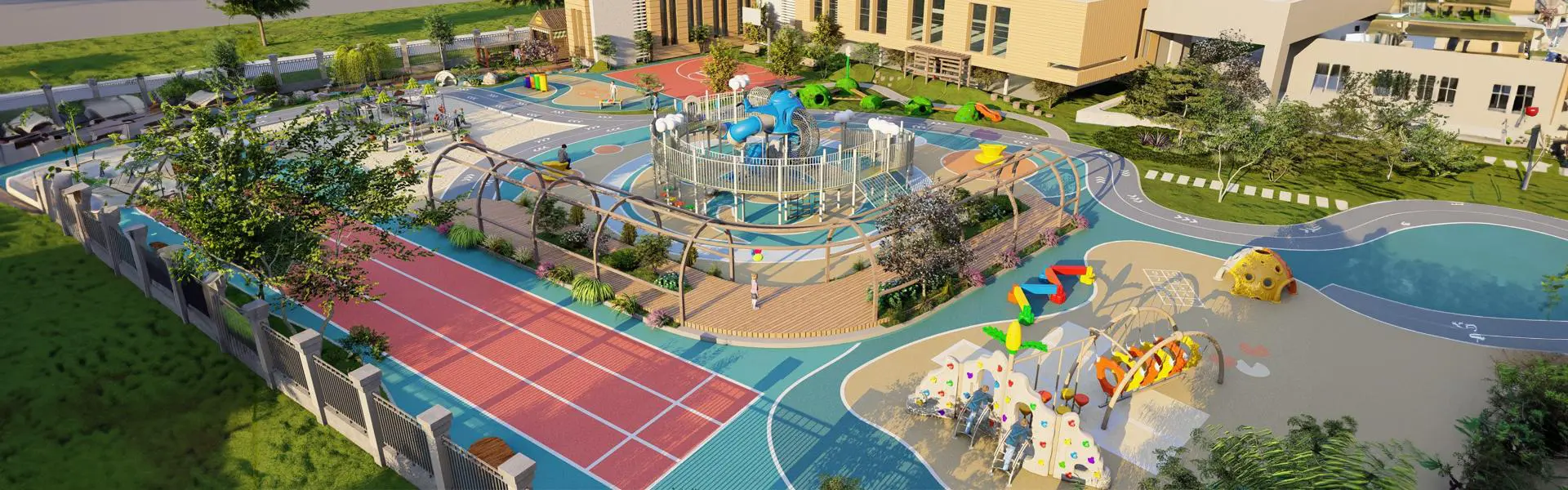
Owning an indoor playground can be an exciting and rewarding venture, combining elements of fun, business, and community service. However, one of the most pressing questions for potential entrepreneurs in this field is: how much does an indoor playground make? The answer isn’t straightforward, as it varies based on multiple factors such as location, size, operational efficiency, marketing strategy, and more.
Location and Demographics
The geographical location of the indoor playground significantly influences its revenue potential. Urban areas with a high population density and a large base of young families tend to offer more foot traffic and higher spending power. Conversely, rural or less populated regions might experience lower attendance rates, affecting overall earnings. Additionally, demographics play a crucial role; areas with higher median income levels often see increased spending at entertainment venues like indoor playgrounds.
Size and Amenities
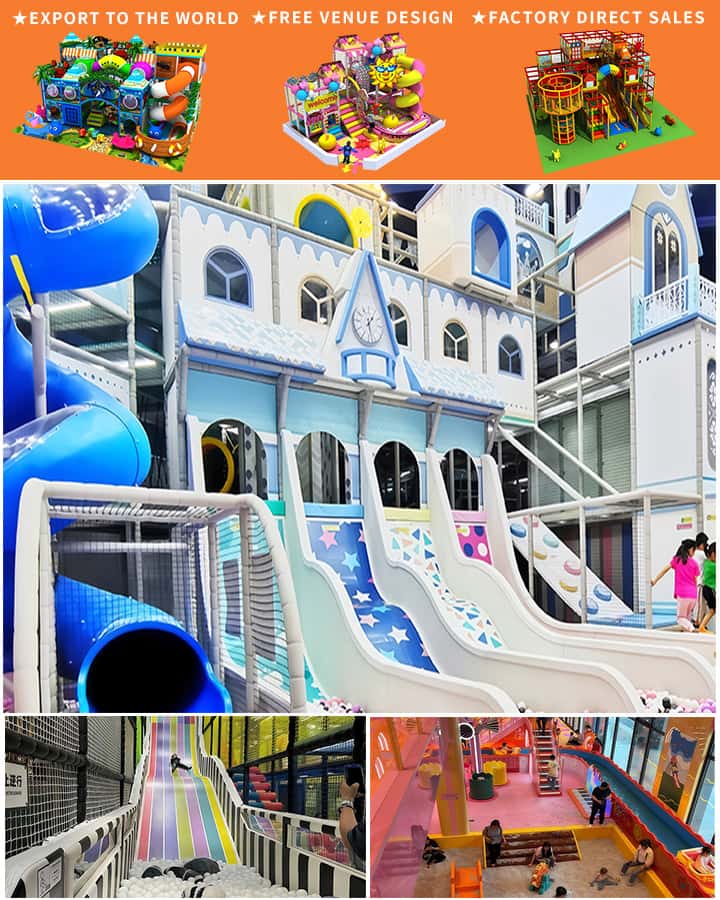
The size of the indoor playground and the variety of amenities offered are other critical determinants of profitability. Larger facilities that provide a wide range of activities—such as ball pits, slides, climbing structures, and interactive games—can attract more visitors and justify higher admission prices. Investing in high-quality equipment and maintaining a clean, safe environment can enhance customer satisfaction and encourage repeat visits.
Operational Efficiency
Efficient management practices contribute greatly to the financial success of an indoor playground. This includes effective scheduling of staff, optimizing operating hours to match peak times, minimizing maintenance downtime, and controlling utility costs. Well-trained employees who provide excellent customer service can also improve the overall experience, leading to word-of-mouth referrals and increased patronage.
Marketing Strategy
A robust marketing strategy is essential for maximizing revenue. Indoor playground owners should leverage social media platforms, local advertising, partnerships with schools and community organizations, and special promotions to attract new customers. Offering membership packages, hosting birthday parties, and organizing special events can also boost sales and build a loyal customer base.
Case Studies and Industry Averages
While individual experiences may vary, some case studies provide insight into the potential earnings of indoor playgrounds. For instance, a mid-sized indoor playground located in a suburban area with effective marketing strategies and a diverse range of attractions might generate annual revenues ranging from \(200,000 to \)500,000. Profit margins typically fall between 10% and 20%, depending on operational costs and market conditions.
Financial Considerations
Starting an indoor playground requires a significant initial investment for leasing or purchasing space, acquiring equipment, and setting up the facility. Ongoing expenses include rent, utilities, salaries, marketing, insurance, and maintenance. Therefore, it’s crucial to conduct thorough market research and financial planning before diving in. Securing funding through loans, investors, or personal savings is often necessary.
Final Thoughts
The profitability of an indoor playground depends on a combination of strategic planning, location, and operational excellence. While the potential for substantial earnings exists, it’s important to approach this business with realistic expectations and a well-thought-out plan. By addressing key factors such as location, amenities, efficiency, and marketing, indoor playground owners can increase their chances of achieving financial success and creating a thriving business that brings joy to children and families alike.