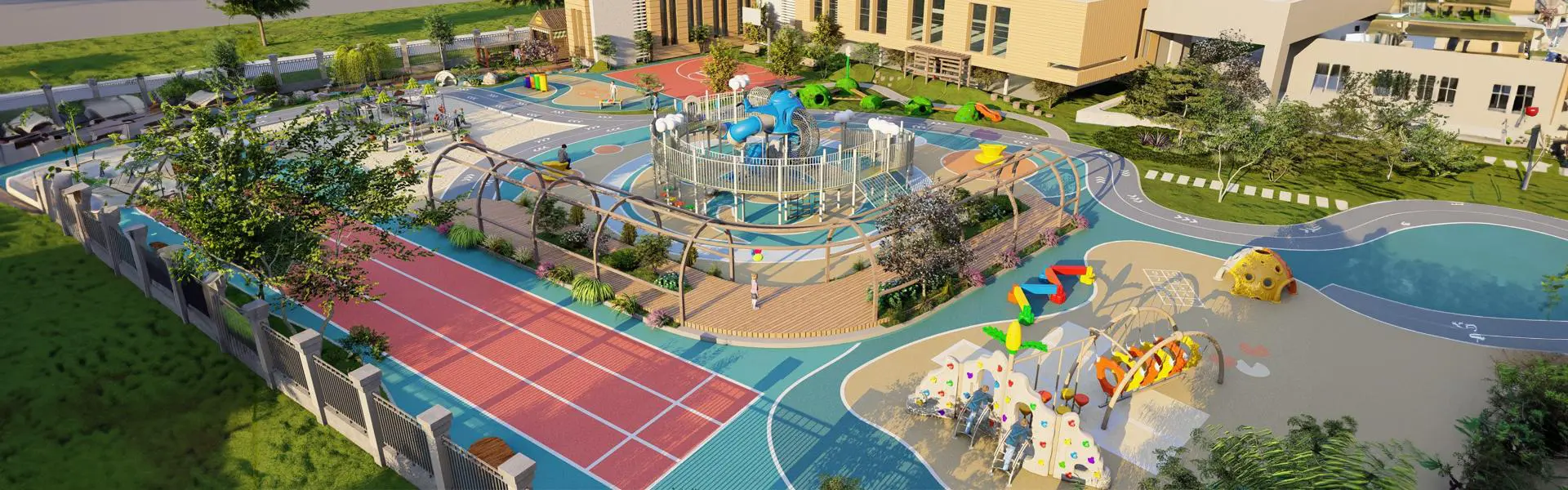
Finding ways to keep kids entertained and active indoors, especially in small spaces, can be a challenge. However, with a little creativity, you can transform even the tiniest areas into engaging indoor playgrounds that spark joy and foster development. Here are some innovative ideas to create an exciting play area for your children right at home.
1. Foldable Play Equipment
Invest in foldable or collapsible play equipment such as mini trampolines, slides, or climbing frames designed for indoor use. These items can be easily stored when not in use, allowing you to maximize space. For example, a wall-mounted foldable slide can be retracted and tucked away when it’s time to clear the area for other activities.
2. Vertical Space Utilization
Make the most of vertical space by installing shelves, hooks, and wall-mounted toys. A pegboard with colorful bins can store building blocks, dolls, or action figures, keeping them off the floor and within easy reach. Hanging ropes or a small jungle gym from the ceiling can provide a fun climbing experience without taking up valuable floor space.
3. Multipurpose Furniture
Opt for furniture that serves more than one function. A coffee table with a removable top can double as a play table for arts and crafts or board games. Ottomans with storage inside can hold toys and be used as extra seating during playtime. Even beds with built-in drawers can offer additional storage for stuffed animals and playthings.
4. Interactive Learning Walls
Create an interactive learning wall where children can engage with educational toys and activities. Use peel-and-stick decals to outline shapes or letters they can trace with magnetic wands. A chalkboard or whiteboard can serve as a creative space for drawing and writing, encouraging both artistic expression and literacy skills.
5. Sensory Play Area
Designate a corner of the room as a sensory play area with materials that stimulate different senses. Fill a shallow bin with items like rice, sand, or beans for tactile exploration. Include items of various textures, colors, and weights to enhance the sensory experience. This type of play is great for developing fine motor skills and cognitive abilities.
6. Themed Play Nooks
Turn a small alcove or corner into a themed play nook. Whether it’s a miniature kitchen, a reading tent, or a pretend workshop, these themed spaces encourage imaginative play. Use curtains or dividers to create a cozy, enclosed environment that transports children to another world.
7. Portable Play Mats and Puzzles
Lay down interlocking foam mats to create a soft, safe play surface that can easily be assembled and disassembled. Large floor puzzles can also serve as both a play activity and a comfortable spot to sit and play. These mats and puzzles are ideal for creating temporary play zones wherever needed.
8. DIY Obstacle Course
Set up a simple obstacle course using household items like pillows, cushions, and chairs. Children can crawl under tables, jump over cushions, or balance on beams made from rolled-up towels. This promotes physical activity and coordination while being adaptable to any space constraints.
9. Book Nook with Reading Lights
Create a cozy reading nook with bean bags or small chairs and install reading lights. Add a bookshelf filled with age-appropriate books and encourage a love for reading. This quiet corner can become a favorite retreat for your children.
10. Music and Dance Corner
Dedicate a small area for music and dance with instruments like tambourines, maracas, or a small keyboard. Include a Bluetooth speaker to play their favorite tunes and plenty of space to move around freely. This corner promotes creativity, rhythm, and physical activity.
By integrating these ideas into your home, you can create an engaging and dynamic indoor playground that makes the most of limited space. Not only will this keep your children entertained, but it will also support their physical, social, and cognitive development in a fun and interactive way.