Trampoline parks have surged in popularity over recent years as a thrilling and energetic entertainment option for both children and adults. These indoor arenas, equipped with wall-to-wall trampolines and various other attractions like foam pits, basketball hoops, and obstacle courses, offer endless fun and fitness opportunities. While the excitement they provide is undeniable, one crucial aspect that potential visitors often consider is the admission fee. This article delves into the various factors that influence trampoline park admission fees, offering insight into why prices can vary so significantly from one venue to another.
Location: Urban vs. Rural
One of the primary factors affecting trampoline park admission fees is the location of the facility. Urban trampoline parks, situated in metropolitan areas or densely populated regions, generally charge higher admission fees compared to their rural counterparts. The increased operational costs associated with urban locations, such as higher rent, utilities, and staff wages, necessitate higher ticket prices. Additionally, urban dwellers might be more willing to pay a premium for entertainment options due to their typically higher disposable incomes.
Facility Size and Amenities
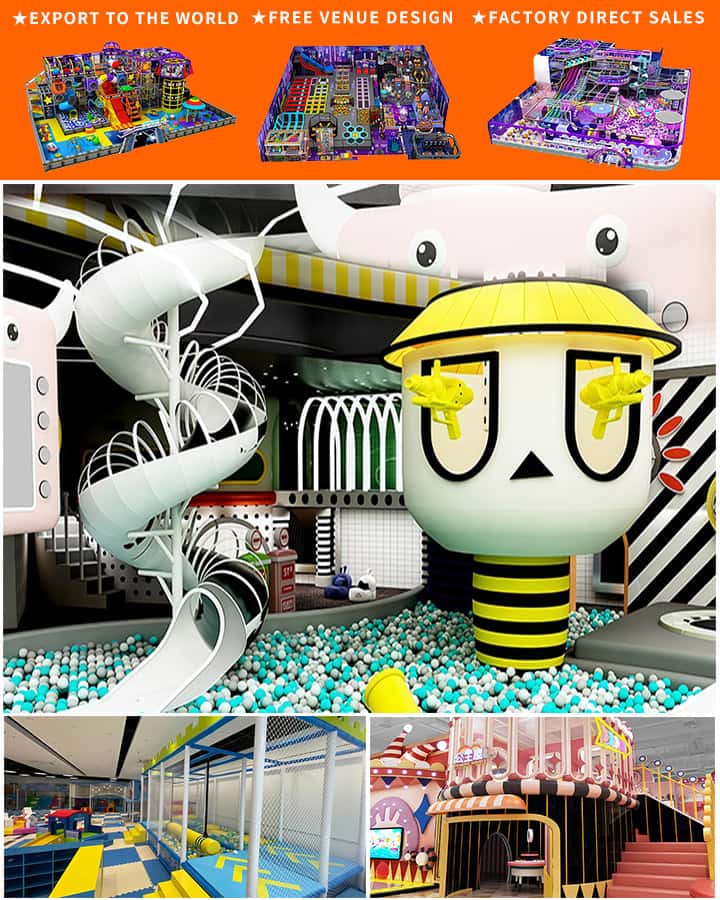
The size of a trampoline park and the range of amenities it offers also play a significant role in determining admission fees. Larger parks with more extensive facilities and a variety of attractions tend to charge more. For instance, a trampoline park featuring multiple interconnected trampolines, a dedicated foam pit area, an airbag zone, and additional activities like dodgeball or slam dunk basketball will likely have higher admission costs than a smaller, more basic park. The inclusion of these added attractions justifies the higher price by providing a more comprehensive and varied experience.
Age and Time Slots
Many trampoline parks implement variable pricing strategies based on age and time slots to cater to different customer segments. Discounted rates are often available for children, students, and senior citizens, making it more affordable for families to enjoy a day out together. Likewise, off-peak hours—typically weekdays or non-holiday periods—tend to be cheaper than peak times such as weekends, evenings, or school holidays. This tiered pricing model helps distribute visitor flow evenly throughout the week, maximizing revenue while ensuring the facility is not overcrowded during peak times.
Membership Plans and Special Deals
To foster repeat visits and build a loyal customer base, many trampoline parks offer membership plans and special deals. Monthly or yearly memberships provide unlimited access or discounted rates for frequent jumpers, effectively lowering the per-visit cost. Additionally, promotional offers, group discounts, and seasonal packages can make admission more attractive and affordable during certain periods. Such incentives encourage customers to return regularly, thereby increasing overall attendance and customer satisfaction.
Safety and Maintenance Costs
Ensuring a safe jumping environment involves substantial investments in quality equipment, regular maintenance, and safety protocols. Trampoline parks must adhere to strict safety standards to minimize the risk of injuries, which includes installing high-quality trampolines, padding, and netting. These safety measures contribute to the overall operational costs, which are subsequently reflected in the admission fees. Therefore, parks that prioritize top-notch safety features may charge slightly higher fees to cover these expenses.
In conclusion, trampoline park admission fees are influenced by a myriad of factors including location, facility size, amenities, age and time slot variations, membership plans, and safety/maintenance costs. Understanding these elements can help potential visitors make informed decisions about where and when to enjoy a day of exhilarating bounces. Despite the varying costs, the joy and fitness benefits derived from a visit to a trampoline park often make it a worthwhile expenditure for many.