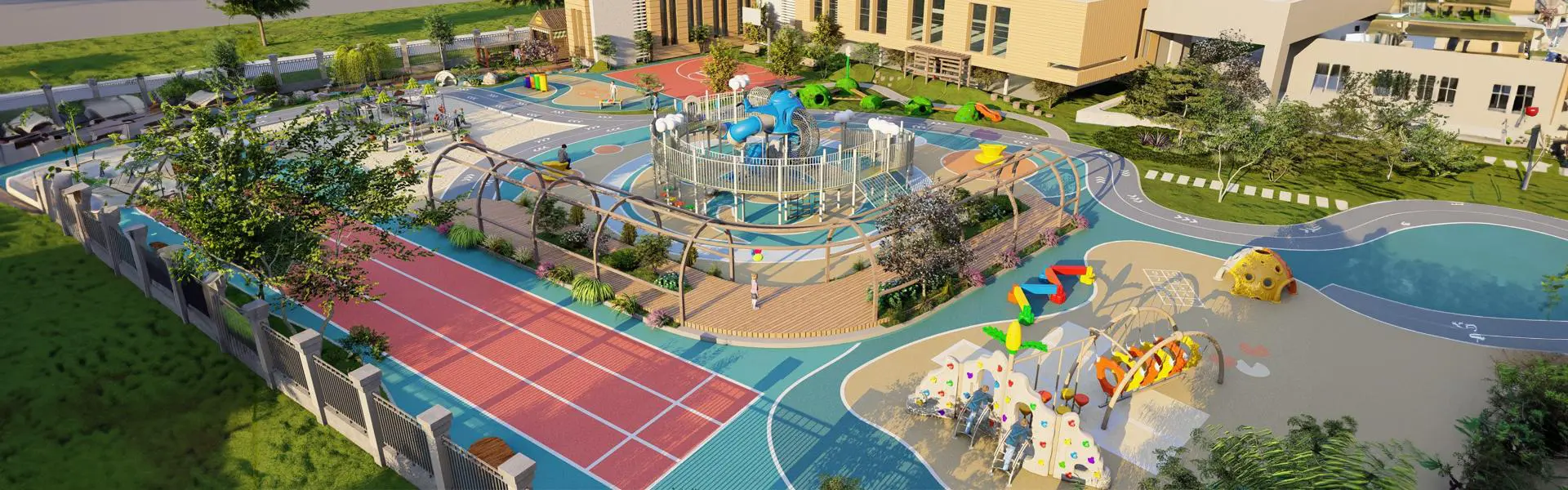
In a world where outdoor spaces are often limited or weather can be unpredictable, finding an inside playground for kids that is both free and engaging can be a game-changer for parents and children alike. These indoor havens provide a safe and stimulating environment where kids can explore, learn, and have fun without stepping outside their homes or spending money on expensive entertainment facilities.
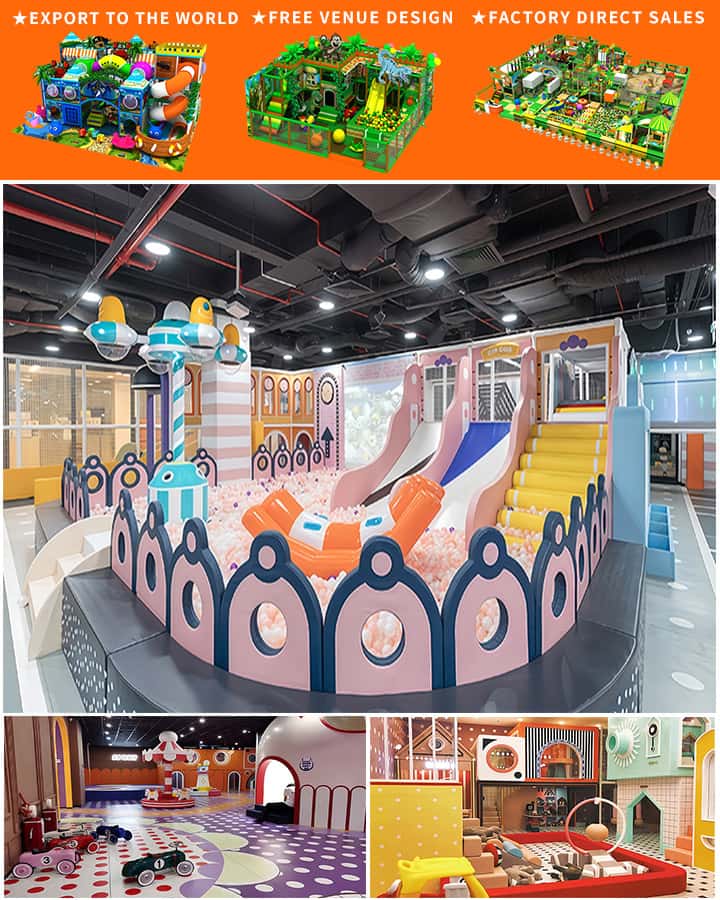
One such treasure trove of indoor play is the local community center’s play area. Many community centers boast spacious, colorful play structures suitable for various age groups. From climbing walls and slides to ball pits and interactive games, these facilities encourage physical activity, social interaction, and imaginative play. The added bonus is that they are often free or require nominal fees, making them accessible to families from all walks of life.
Public libraries, another gem in our communities, are increasingly recognizing the importance of play in early childhood development. Many now feature dedicated play zones filled with educational toys, puzzles, and reading corners designed specifically for young minds. These quieter, book-themed play areas foster a love for reading while also providing opportunities for sensory exploration and creativity. Best of all, admission to library play areas is usually free, and some even offer regular storytime sessions and workshops for children.
For those seeking a more adventurous indoor experience, indoor trampoline parks present a thrilling option. While some may charge, many municipalities have started offering public sessions or subsidies, ensuring that bouncing fun remains affordable. Trampoline parks not only promote cardiovascular fitness but also improve balance and coordination. They’re perfect for rainy days when kids need an outlet to expend their energy.
Another overlooked resource is the humble supermarket. Some larger grocery stores have small play areas equipped with soft play equipment tailored for toddlers. While primarily intended as a brief respite for parents during shopping trips, these mini-playgrounds can provide hours of entertainment for little ones, especially when combined with imaginative play encouraged by parents.
Lastly, don’t forget about the power of your own home. With a bit of creativity and some DIY spirit, you can transform a spare room, basement, or even a corner of your living area into an indoor playground. From homemade obstacle courses and fort-building stations to sensory bins filled with rice, beans, or pasta, the possibilities are endless. The key is to create a space that encourages freedom of movement and stimulates your child’s imagination.
In conclusion, discovering an inside playground for kids that is free doesn’t have to be a daunting task. By tapping into community resources like community centers and libraries, exploring alternatives like indoor trampoline parks, utilizing unexpected spots like supermarkets, and getting creative at home, parents can ensure their children have access to engaging, cost-effective play experiences regardless of the weather or budget constraints. Such indoor playgrounds not only nurture physical development and cognitive skills but also serve as vital spaces for socialization and emotional growth, proving that sometimes, the best things in life truly are free.