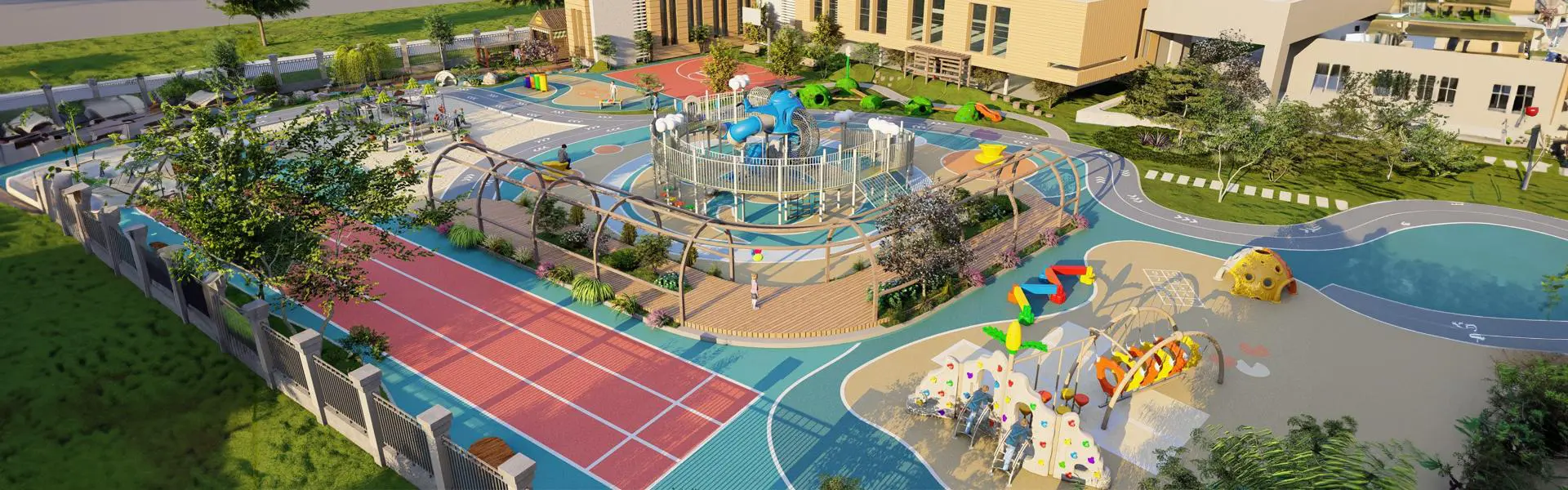
When the weather outside isn’t cooperating or you simply need a change of scenery, creating engaging indoor play areas for your little ones can be a game-changer. For children aged 3 to 4, it’s crucial to have spaces that are not only entertaining but also stimulating and safe. Here are six fantastic indoor play areas that will keep your toddlers entertained for hours on end.
1. Arts and Crafts Station
A dedicated arts and crafts station is an excellent way to nurture creativity in young children. Set up a small table with child-friendly chairs, stocked with washable paints, crayons, colored pencils, playdough, glue sticks, and various types of paper. Add some stencils and stickers to inspire their imagination. This area encourages fine motor skills, color recognition, and creative expression. Plus, it’s an activity that can easily be contained within a specific space, minimizing mess.
2. Reading Nook
 Cultivate a love for reading from an early age by setting up a cozy reading nook. Choose a quiet corner of a room and add a soft rug or bean bag chair. Create a mini-library with baskets filled with age-appropriate books. Include a variety of genres—picture books, alphabet books, and simple storybooks. You can even add a small shelf for their favorite stuffed animals or plush toys that can “listen” to the stories along with them. A well-lit reading nook provides a perfect escape for young readers to dive into the magical world of books.
3. Imaginative Play Corner
Kids thrive on imagination, and a designated imaginative play corner allows them to explore different roles and scenarios. Use a small tent or playhouse as the centerpiece. Decorate it with costumes, hats, and accessories to encourage role-playing. Whether they become pirates, doctors, chefs, or superheroes, this space promotes social skills, language development, and emotional growth. You can also include puppet theater sets and musical instruments for added variety.
4. Building Blocks Zone
Building blocks are a timeless toy that offers endless possibilities. Create a building blocks zone with a large mat or rug where kids can freely construct towers, houses, or any structure they envision. Wooden blocks, Mega Bloks, or Duplo sets are great options for this age group. This area helps develop spatial awareness, problem-solving skills, and hand-eye coordination. Ensure the floor has a non-slip surface to prevent any slips and falls while they build their masterpieces.
5. Sensory Table
A sensory table is a fantastic addition to any indoor play area. Filled with items like rice, sand, water beads, or pasta, it provides tactile stimulation and sensory exploration. Include scoops, cups, funnels, and other tools for kids to manipulate the materials and experiment with pouring and transferring actions. This type of play enhances cognitive development and can be incredibly soothing for children who enjoy hands-on activities. Always supervise to ensure safety, particularly if water is involved.
6. Physical Activity Space
Even indoors, children need opportunities for physical movement. Dedicate an area for light physical activities like a mini obstacle course, hopscotch with sticky notes, or a dance floor with a Bluetooth speaker playing their favorite songs. You can also set up a climbing dome or a small indoor slide if space allows. Incorporating physical play helps improve gross motor skills, coordination, and energy levels, ensuring your toddlers stay active even when stuck inside.
By creating these six diverse indoor play areas, you provide a well-rounded environment that caters to your child’s developmental needs while keeping them entertained. Each area offers unique benefits and opportunities for learning, making every day an adventure filled with growth and joy.