Designing an indoor play area for kids can transform a mundane space into a vibrant hub of creativity, fun, and development. Whether you’re revamping a spare room, basement, or attic, a well-planned play area can provide endless enjoyment and numerous benefits for children. Here is a comprehensive plan to help you create the ultimate indoor play space for your little ones.
Step 1: Assess Your Space and Needs
The first step in planning an indoor play area is to assess the available space and identify your child’s interests and needs. Consider the dimensions of the room, the number of children who will use it, and the types of activities they enjoy. This initial assessment will guide you in making informed decisions about furniture, equipment, and décor.
Step 2: Choose the Right Furniture
Furniture should be versatile and multifunctional to maximize space and utility. Opt for pieces that can be easily reconfigured and adapted as your child grows. For instance:
- Loft Beds with Slides: These combine sleeping and playing spaces, saving room for other activities.
- Foldable Desks and Chairs: Ideal for homework, arts, and crafts sessions that can be put away when not in use.
- Storage Solutions: Utilize bins, shelves, and storage ottomans to keep toys and supplies organized and out of the way.
Step 3: Incorporate Educational and Entertaining Elements
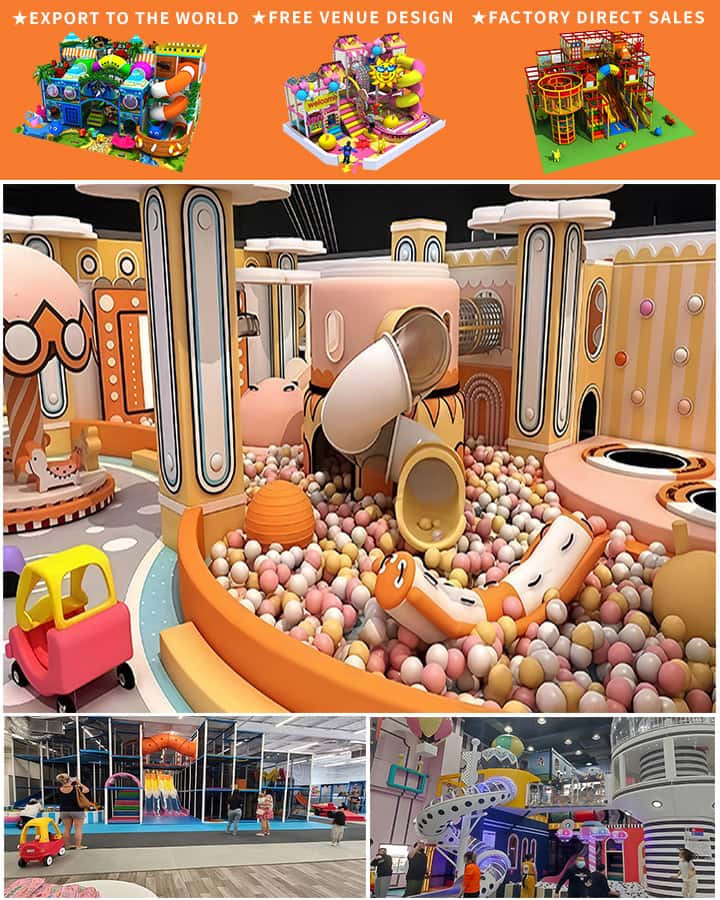 A well-rounded play area should stimulate both body and mind. Consider incorporating elements that cater to various aspects of development:
- Reading Nook: Create a cozy corner with bean bags, soft cushions, and a small bookshelf filled with age-appropriate books.
- Art Station: Set up a dedicated area for painting, drawing, and crafting with an adjustable easel, tables, and storage for art supplies.
- Interactive Wall Features: Chalkboard walls, magnetic boards, or pegboards can offer interactive learning experiences.
Step 4: Safety First
Safety is paramount when designing a play area. Here are some tips to ensure the environment is secure:
- Non-Toxic Materials: Choose furniture and toys made from non-toxic, durable materials to minimize health risks.
- Soft Flooring: Use foam mats, carpet tiles, or interlocking foam floor pieces to cushion falls.
- Childproofing: Install safety gates if necessary, cover electrical outlets, and secure heavy furniture to the wall.
Step 5: Add Fun Elements
To make the play area truly engaging, include elements that encourage physical activity and imaginative play:
- Playhouses and Forts: Build or buy modular playhouses that can be customized and decorated by your child.
- Climbing Walls or Play Structures: These can provide physical exercise and develop motor skills.
- Dress-Up Corner: Include costumes, masks, and props to spark imaginative play and role-acting scenarios.
Step 6: Personalize and Decorate
Personalizing the space with your child’s favorite colors, themes, and décor can make it more inviting. Consider these ideas:
- Themed Decorations: Whether it’s a jungle, space, or fairy tale theme, cohesive decorations can create an immersive experience.
- DIY Projects: Involve your child in creating art pieces, such as painting murals or making mobiles, to add a personal touch.
Step 7: Maintain and Evolve the Space
An indoor play area should evolve with your child’s changing interests and stages of development. Regularly assess the space to see what’s working and what could be improved. Rotate toys periodically to maintain novelty and excitement.
In conclusion, planning an indoor play area for kids involves thoughtful consideration of space, safety, functionality, and fun. By following this comprehensive plan, you can create a dynamic and delightful environment that supports your child’s growth and creativity while providing them with hours of joyful play.