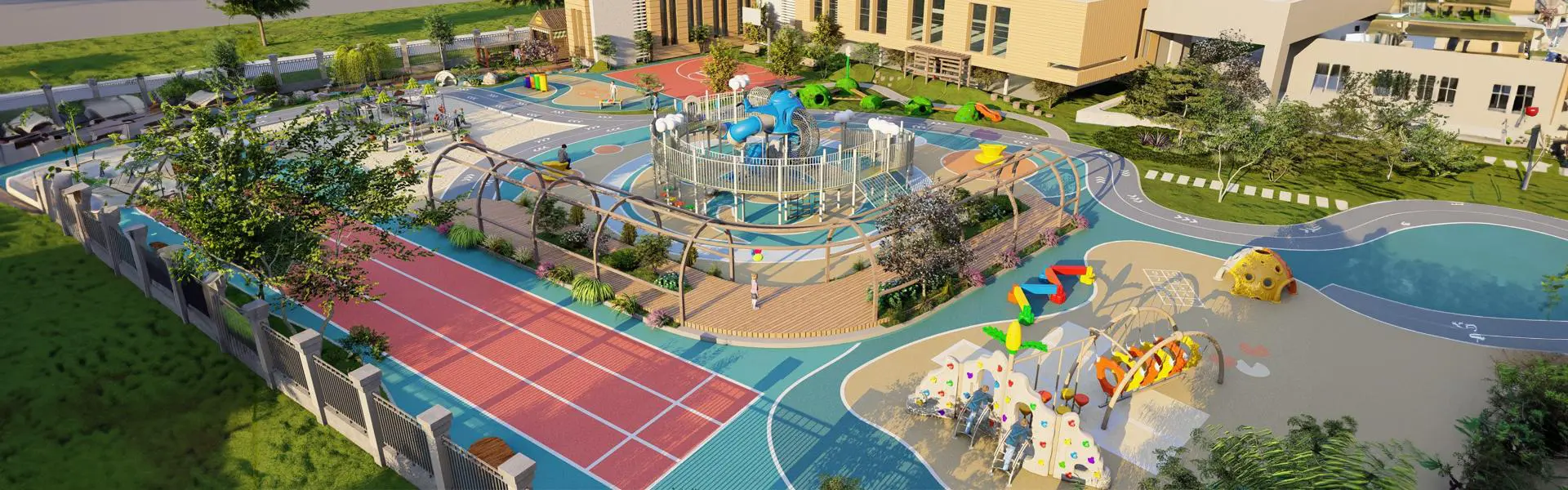
Designing an indoor play area for children can be an incredibly rewarding project, providing a safe and stimulating environment right at home. One of the essential elements in creating such a space is installing a suitable fence. Here’s how you can set up a secure and enjoyable indoor play area for your little ones using fencing to ensure their safety while they explore and play.
The Importance of Safety in Indoor Play Areas
Safety should always be the top priority when it comes to designing an indoor play area for children. An indoor fence can help prevent injuries by keeping kids away from potential hazards like electrical outlets, sharp corners, or fragile items. By demarcating a specific play zone, you create a controlled environment where children can enjoy themselves without constant supervision.
Choosing the Right Fencing
When selecting fencing for an indoor play area, consider materials that are safe, durable, and visually appealing. Common options include:
Plastic or Vinyl Mesh Fencing: Lightweight and easy to install, these fences are ideal for creating temporary barriers. They offer good visibility, allowing you to keep an eye on your child while providing a sense of separation within the room.
Fabric Dividers: Fabric screens or folding room dividers can serve a dual purpose by acting as both a safety barrier and a design element. They come in various colors and patterns, adding aesthetic value to the room.
Foam Board Partitions: These soft, cushioned partitions are perfect for preventing injuries in case a child accidentally falls against them. They are lightweight and easy to move around, making them a versatile option.
Wooden Fences: For a more permanent setup, wooden fencing offers both durability and a classic look. Ensure the wood is smooth, without any splinters, and painted with non-toxic paint.
Installation Tips
Installing an indoor fence requires careful planning to ensure it remains stable and safe:
- Secure the Base: Use sturdy bases or weights to anchor the fence, especially if using freestanding options. This prevents tipping and ensures the fence stays in place.
- Height Considerations: The height of the fence should be appropriate for the age and size of your child. Typically, a height of 2 to 4 feet is sufficient.
- Gate Access: Incorporate a gate in the fence to allow easy access for adults. A gate with a latch that is out of children’s reach ensures security.
- Padding and Covers: Add padding to any hard surfaces near the fence to cushion falls. You can also cover the fence with soft materials to reduce the impact of accidental collisions.
Enhancing the Play Area
Once the fence is securely in place, focus on enhancing the play area with engaging and educational toys, comfortable seating, and plenty of lighting. Here are some ideas:
- Soft Mats or Rugs: Place soft mats or rugs inside the fenced area to provide a comfortable surface for playing, reading, or napping.
- Toy Organization: Install shelves or bins to keep toys organized and within easy reach. This encourages tidiness and makes it easier for children to engage in imaginative play.
- Interactive Elements: Consider adding elements like a small chalkboard wall, interactive panels, or sensory toys to stimulate your child’s development.
Maintenance and Safety Checks
Regular maintenance and safety checks are crucial to ensure the play area remains safe and functional. Inspect the fence periodically for any signs of wear and tear, loose screws, or damage, and make necessary repairs promptly. Keeping the area clean and clutter-free also helps maintain a safe environment.
Conclusion
Creating an indoor play area with a well-designed fence can provide your children with a safe and delightful space to explore, learn, and grow. With careful planning and the right materials, you can create a nurturing environment that offers peace of mind for parents and endless fun for children.