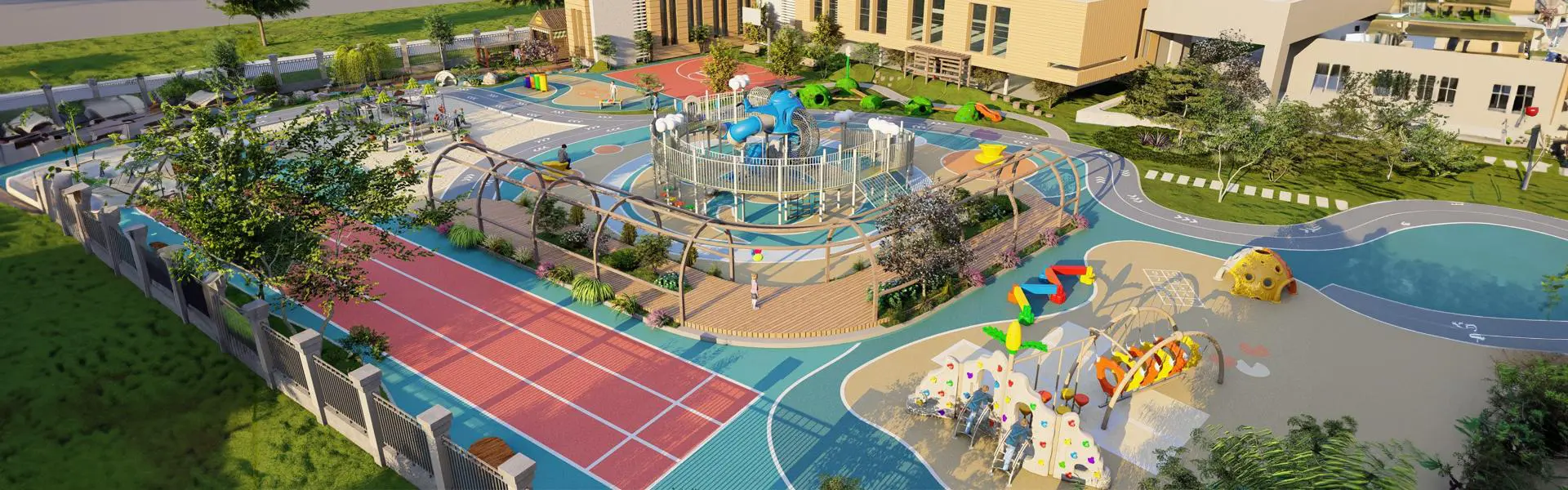
Designing an indoor play area requires careful consideration of various essential factors to ensure a safe, engaging, and stimulating environment for children. Whether you’re planning an indoor play center, a community space, or a designated play area within your home, the following requirements are fundamental to creating a successful and inviting space for young ones.
Safety First
Safety is paramount in any play area, both indoors and outdoors. Ensure that all equipment is age-appropriate and meets safety standards. Soft flooring materials like rubber mats or foam tiles can help minimize injury from falls. Additionally, the layout should allow for smooth traffic flow to prevent congestion and potential accidents. All furniture and structures should be securely anchored to the floor to prevent tipping.
Size and Space
The size of the indoor play area will influence the type of activities that can take place. Adequate space is crucial to accommodate climbing structures, slides, ball pits, and other interactive installations without overcrowding. For multi-purpose rooms, consider using modular furniture that can easily be reconfigured to create different play zones as needed.
Stimulating Environment
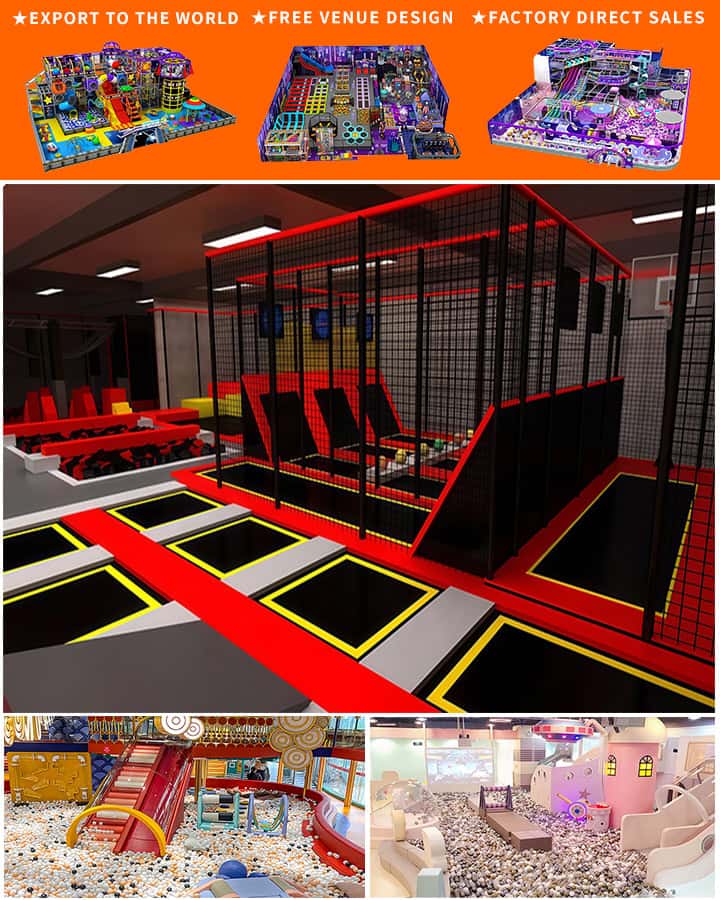
To foster creativity and imagination, design the play area with diverse elements that stimulate different senses. Incorporate colorful decor, varied textures, and interactive features such as sensory walls or musical instruments. Lighting should be bright and cheerful, yet adjustable to create different atmospheres for various activities. Natural light is always beneficial where possible.
Educational Opportunities
Indoor play areas can double as educational spaces where children learn through play. Integrate elements that promote cognitive development, such as puzzle boards, building blocks, and interactive panels that teach letters, numbers, or shapes. Storytelling corners with books and puppets can also encourage literacy and imagination.
Accessibility
Inclusivity is key in designing an indoor play area. Ensure the space is accessible to children with disabilities by incorporating ramps instead of stairs, wide doorways, and low-clearance furniture. Sensory-friendly zones with dim lighting, soft materials, and quiet corners can be particularly welcoming for children with sensory processing issues.
Hygiene and Maintenance
Maintain high standards of hygiene to keep the play area safe and pleasant. Use non-toxic, easy-to-clean materials for surfaces and furnishings. Establish regular cleaning routines and provide hand sanitizing stations. Encourage proper storage of toys to prevent clutter and maintain organization.
Parental Comfort
For indoor play areas intended for public use, consider the comfort of parents and guardians. Comfortable seating, clear sightlines, and proximity to restrooms can make the experience more enjoyable. Providing Wi-Fi and charging stations can also cater to parents who need to stay connected while their children play.
Customization and Flexibility
A successful indoor play area should be adaptable to the changing needs and preferences of its users. Modular design elements allow for easy updates and changes without significant remodeling. Regularly seek feedback from children and parents to continually improve the space and ensure it remains relevant and engaging.
By adhering to these key considerations, you can create an indoor play area that is not only fun and stimulating but also safe and inclusive. Whether you’re designing for a small family home or a large commercial facility, thoughtful planning can make all the difference in providing a delightful and enriching environment for children.