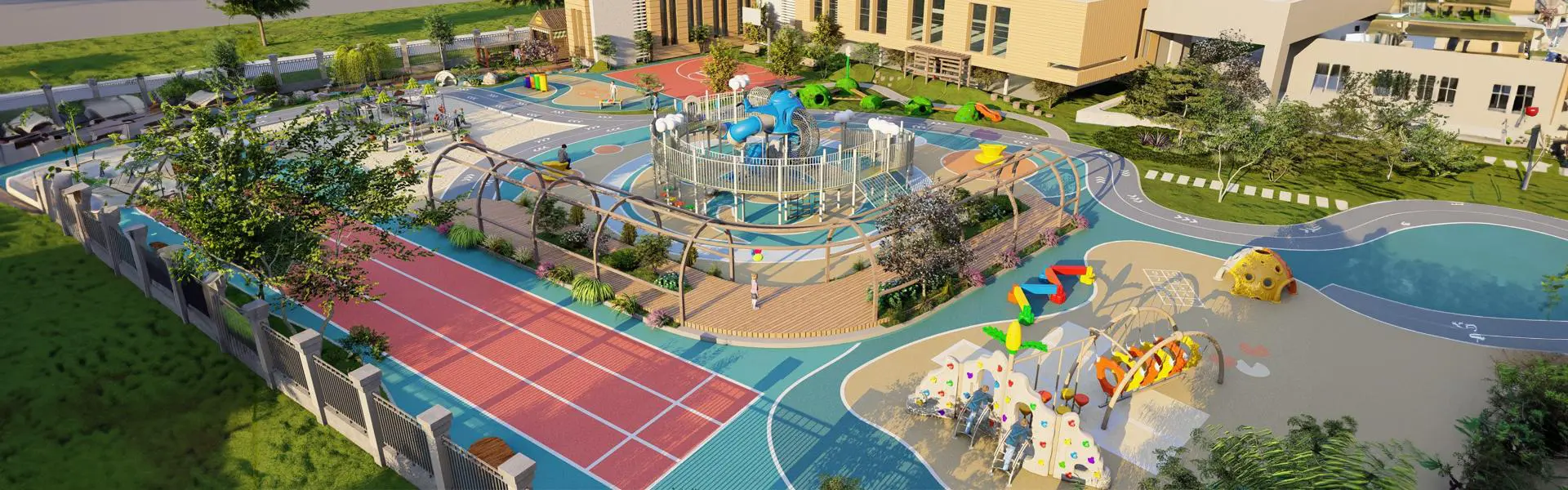
Creating an indoor play area for kids is a fantastic way to ensure they have fun and stay active, even on rainy days or during cold seasons. With a well-thought-out plan, you can transform a spare room or section of your home into a vibrant, engaging space that caters to your children’s needs and fosters their development. Here’s a comprehensive guide to planning the ultimate indoor kids’ play area.
1. Assess Your Space
The first step in designing an indoor play area is to assess the available space. Whether you have a dedicated playroom or are converting a corner of your living room, understanding the dimensions will help you make informed decisions about layout and furniture. Measure the area accurately and take note of any architectural features like windows, doors, and outlets.
2. Define the Purpose and Age Group
Consider the purpose of the play area and the age group it will serve. To create a functional and enjoyable environment, tailor the space to accommodate the developmental stages of your children. For toddlers, safety and exploration should be key focuses, while older kids might benefit from spaces designed for imaginative play, physical activity, and learning.
3. Safety First
Ensuring the safety of your indoor play area is paramount. Here are some crucial safety considerations:
- Cushioned Flooring: Use soft mats or carpet tiles to provide cushioning and reduce the risk of injury from falls.
- Childproofing: Secure furniture and heavy items to the wall and cover electrical outlets to prevent accidents.
- Non-Toxic Materials: Choose furniture and toys made from non-toxic materials to protect your children’s health.
- Rounded Edges: Select furniture with rounded edges to minimize the risk of cuts and scrapes.
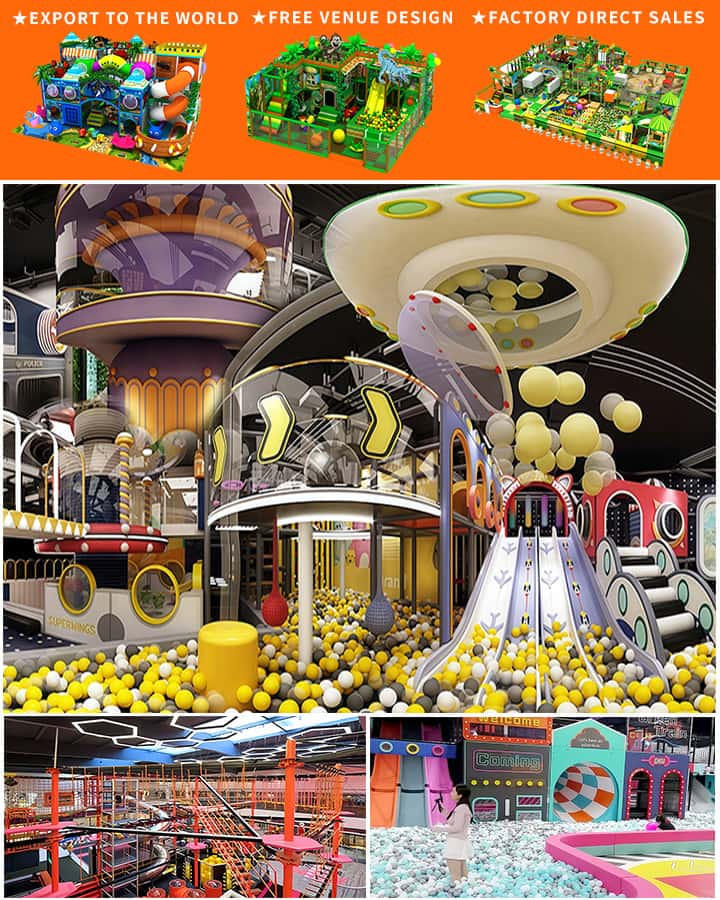
4. Incorporate Imaginative Play Areas
Imagination is a vital part of childhood development, so include areas that inspire creativity. Consider these options:
- Dress-Up Corner: Set up a small wardrobe with costumes, hats, and accessories for dress-up fun.
- Art Station: Create a designated area with art supplies such as paper, crayons, markers, and paint. Ensure easy access to water and a washable surface.
- Reading Nook: A cozy reading nook with bookshelves and comfortable seating encourages a love for reading.
5. Physical Activity Zones
Active play is essential for a child’s physical development. Incorporate these elements into your play area:
- Climbing Wall or Play Structure: These structures provide excellent opportunities for physical exercise and motor skill development.
- Indoor Slide or Mini Trampoline: Fun and active, these additions help kids expend energy.
- Interactive Games: Include games like floor hockey, bowling sets, or a balance beam to keep physical activity engaging.
6. Educational and Developmental Tools
Promote learning through play by incorporating educational tools:
- Learning Letters and Numbers: Educational boards and puzzles can make learning letters and numbers enjoyable.
- STEM Activities: Simple science experiments, building blocks, and coding kits stimulate problem-solving skills.
- Musical Instruments: Exposure to music through instruments like keyboards or drum pads can be both entertaining and educational.
7. Flexible Furniture Arrangements
Kids’ interests can change rapidly, so consider flexible furniture arrangements. Use modular furniture that can be easily repositioned or converted to suit different activities. Foldable tables, stackable chairs, and storage bins that double as seating can adapt to various needs.
8. Decor and Themes
Personalize the space with decor that appeals to your children. Choose themes based on their favorite characters, colors, or hobbies. Wall decals, themed rugs, and posters can create an immersive environment that sparks imagination and joy.
9. Lighting Solutions
Good lighting is crucial for creating a safe and inviting play area. Natural light is ideal, but for indoor spaces, ensure adequate artificial lighting:
- Bright Lamps: Use bright, child-safe lamps that provide sufficient illumination for playing and reading.
- Night Lights: Consider night lights for comfort if children need to use the play area in the evening.
Conclusion
Planning an indoor kids’ play area requires thoughtful consideration of safety, functionality, and enjoyment. By assessing your space, defining purposes, prioritizing safety, and incorporating diverse play zones, you can create an environment where your children can grow, learn, and play happily. With a bit of creativity and organization, your indoor play area can become a cherished sanctuary for endless fun and development.