
Creating an engaging indoor play area for kids requires a bit of creativity, planning, and understanding of what children find enjoyable and stimulating. Whether you’re designing a space for your own home or for a childcare facility, these tips and ideas will help you build a fun and safe environment where kids can explore, learn, and play.
1. Choose the Right Location
The first step in creating an indoor play area is to select an appropriate location. Ideally, it should be a spacious room with plenty of natural light. A living room, basement, or even a spare bedroom can work well if they are large enough to accommodate various activities. Ensure the space is easily accessible but also allows for some degree of privacy so that the noise doesn’t disturb other household members.
2. Safety First
Safety is paramount when designing any play area for children. Make sure the space is free from sharp edges, electrical outlets should be covered, and there should be no small objects that could pose choking hazards. Install soft flooring like foam mats or carpet to cushion falls. Additionally, ensure all furniture has rounded corners and is securely anchored to the wall to prevent tipping.
3. Diverse Play Equipment
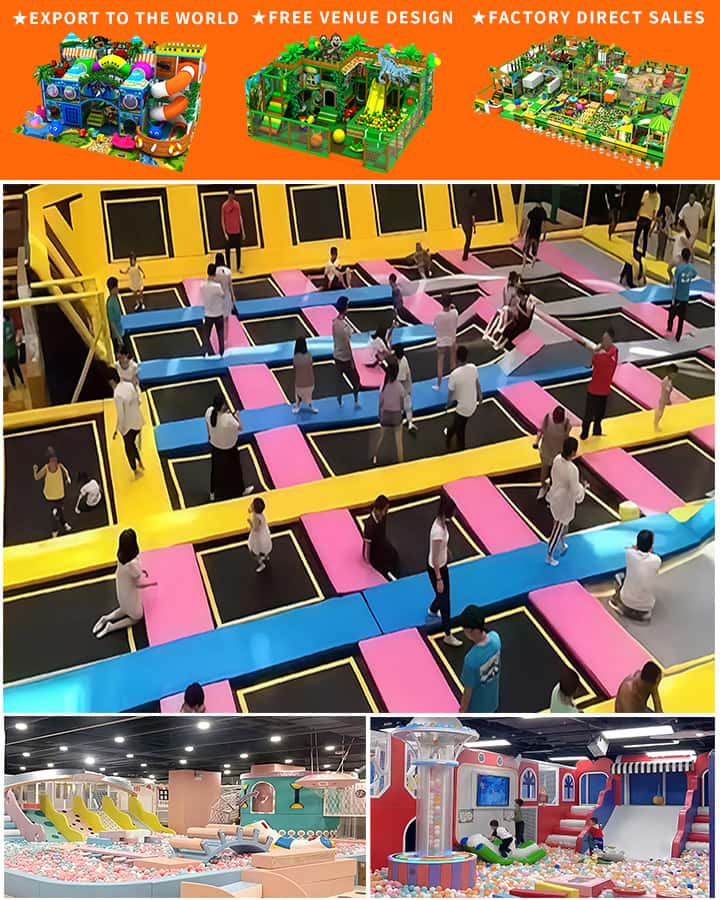 To keep kids engaged, offer a variety of play equipment. Climbing structures, slides, and tunnels can provide physical exercise and encourage imaginative play. Consider incorporating items like ball pits, which can be both fun and great for sensory development. For younger children, soft play equipment such as blocks and plush toys are ideal.
4. Educational Elements
An indoor play area can also serve as an educational space. Incorporate elements like alphabet puzzles, number games, and simple science kits. Wall-mounted boards for drawing or magnetic letters can stimulate cognitive development. Shelves stocked with age-appropriate books and interactive learning toys can further enrich the experience.
5. Creative Corners
Kids love spaces where they can let their imagination run wild. Create a creative corner filled with art supplies like crayons, markers, paints, and colored paper. Add a small table and chairs for them to sit and create their masterpieces. Consider adding a dress-up area with costumes and accessories to foster pretend play.
6. Soft Furnishings
Comfort is key, especially for young children who might spend long periods playing. Invest in cozy seating like bean bags or cushioned floor mats. A reading nook with a snug chair and a small bookshelf can become a favorite spot for quiet time.
7. Sensory Play
Incorporating sensory play elements can greatly enhance a child’s development. Items like sensory tables with water beads, textured walls, or even a small sandbox can provide tactile stimulation. Light up elements such as fiber optic lights or interactive projectors can captivate their attention and make the space feel magical.
8. Organizational Tools
Keeping the play area organized is crucial for maintaining its functionality and appeal. Use bins, baskets, and shelves to store toys and materials. Label these containers to make cleaning up easier for kids and encourage them to participate in tidying up after playtime.
9. Personal Touches
Lastly, add personal touches to make the space uniquely inviting. Decorate with your child’s favorite colors, hang up their artwork, or incorporate themes from their favorite stories and characters. This not only makes the space more exciting but also helps children feel a sense of ownership and belonging.
By following these guidelines, you can create an indoor play area that is not only fun and engaging but also supportive of children’s developmental needs. Whether it’s a dedicated playroom in your home or a multipurpose area in a daycare center, thoughtful design can transform any space into a delightful haven for kids to explore and enjoy.