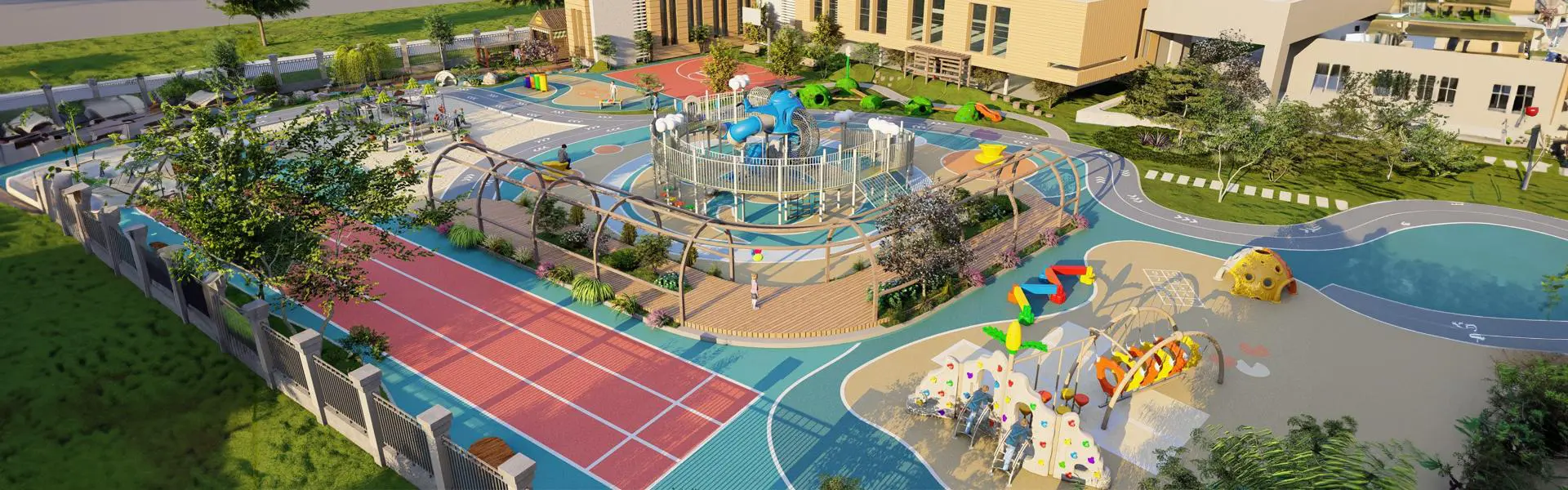
Creating an engaging and safe indoor play area for kids is essential for their physical, emotional, and cognitive development. An indoor play area not only provides a space where children can expend energy but also encourages creativity, learning, and social skills. Here’s how you can design the perfect indoor play area that caters to your child’s needs and ensures endless hours of fun and exploration.
Choose the Right Location
The first step in creating an indoor play area is selecting the ideal location. The best spots are typically spacious rooms that can accommodate various activities without overwhelming the senses. Popular choices include living rooms, basements, or even large bedrooms. Ensure the area is away from potential hazards like electrical outlets and sharp furniture edges.
Safety First
Safety is paramount when designing any play area. Start by securing furniture that could tip over, such as bookshelves and dressers, by anchoring them to the wall. Use corner and edge protectors on furniture with hard edges. Make sure the floor is padded; foam mats or carpeting are excellent options to prevent injuries from falls. Additionally, keep small objects and choking hazards out of reach.
Versatile Furniture
Invest in multi-functional and modular furniture that grows with your child. Consider pieces like storage benches, foldable tables, and stackable bins that can be easily reconfigured as your child’s needs change. This versatility not only maximizes space but also adapts to different activities and age groups.
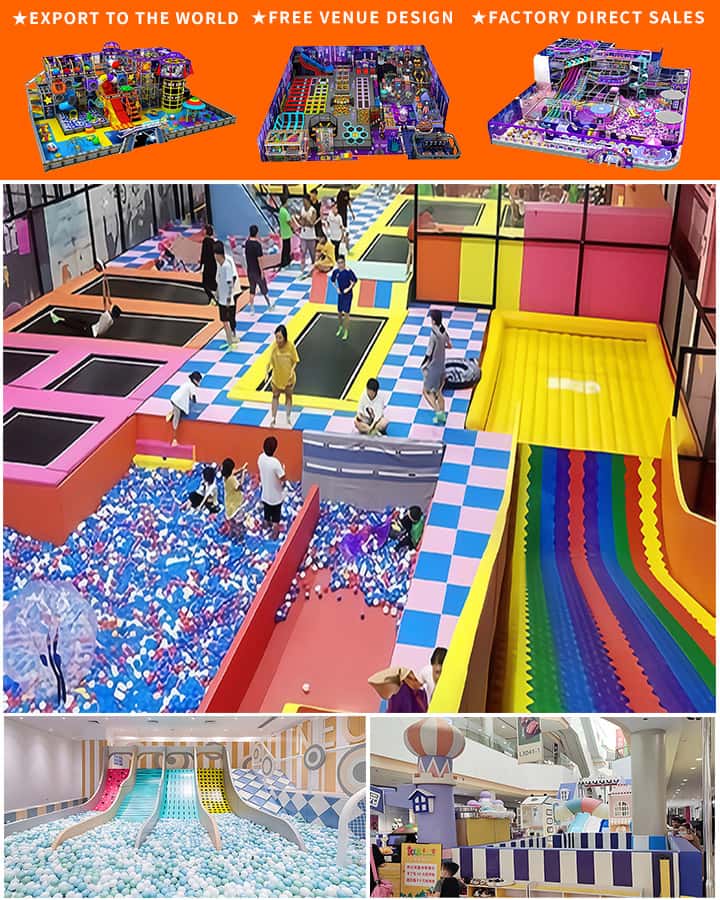
Creative Play Stations
Create dedicated zones for different types of play to foster various skills. Here are some ideas:
Arts and Crafts Corner: Equip this area with tables, chairs, and storage for art supplies. Include items like crayons, markers, paint, and construction paper. Add a corkboard or whiteboard for displaying masterpieces.
Reading Nook: A cozy reading nook with bean bags, cushions, and good lighting can spark a love for books. Organize books at your child’s eye level and add a small shelf for favorite stories.
Imaginative Play Zone: Set up a space for imaginative play with costumes, puppets, and props. A small tent or playhouse can make this area extra special.
Educational Station: Incorporate educational toys like puzzles, building blocks, and interactive games. A small desk can be used for drawing, sorting, or simple science experiments.
Interactive Learning Tools
Integrate technology into the play area with interactive learning tools. Educational apps, tablets, and smart devices designed for children can provide engaging content while subtly teaching important skills like math, language, and problem-solving. However, ensure screen time is balanced with other activities.
Sensory Play Area
A sensory play area can be particularly beneficial for young children. Include items with different textures, colors, and sounds such as a sandbox, water table, or a tactile wall. Sensory play helps develop motor skills and stimulates cognitive development.
Organization is Key
Keeping the play area organized is crucial for maintaining a stress-free environment. Use clear bins and labels to categorize toys and supplies. Encourage your child to participate in tidying up by making it a fun activity—consider using a timer to see how quickly they can clean up!
Personal Touches
Add personal touches to make the play area truly special. Involve your child in the decorating process by asking for their input on colors, themes, and decorations. Display their artwork or creations proudly. Personal touches make the space feel inviting and uniquely theirs.
Final Thoughts
Creating a well-thought-out indoor play area requires careful planning and attention to detail. By prioritizing safety, versatility, and engagement, you can craft a space that nurtures your child’s growth and provides countless opportunities for fun and learning. Whether it’s a cozy reading nook or an imaginative play zone, the perfect indoor play area is one where your child feels inspired to explore, discover, and most importantly, have fun.