
Starting a children’s indoor play area business can be an exciting venture, offering both a rewarding experience and a profitable opportunity. With careful planning and execution, you can create a safe, enjoyable environment for children while also providing peace of mind for their parents. Here’s a comprehensive guide to help you get started on this journey.
1. Market Research and Feasibility
Before diving into the business, it’s crucial to conduct thorough market research. Understand your target demographic, including age groups and parental income levels. Analyze local demand by surveying potential customers and researching competitors. Determine if there are enough interested families to sustain your business and identify any gaps in the existing market that your play area could fill.
2. Create a Solid Business Plan
A well-crafted business plan is the backbone of any successful venture. Outline your business goals, mission statement, and strategies for achieving them. Include detailed financial projections, marketing plans, and operational guidelines. A robust business plan will not only guide your operations but also attract potential investors and secure necessary permits.
3. Choose the Right Location
Select a convenient, accessible location for your play area. High foot traffic areas such as malls, community centers, or near residential neighborhoods are optimal. Ensure the space is large enough to accommodate various play structures and activities without feeling crowded. Additionally, consider the parking availability and ease of access for parents with strollers or wheelchairs.
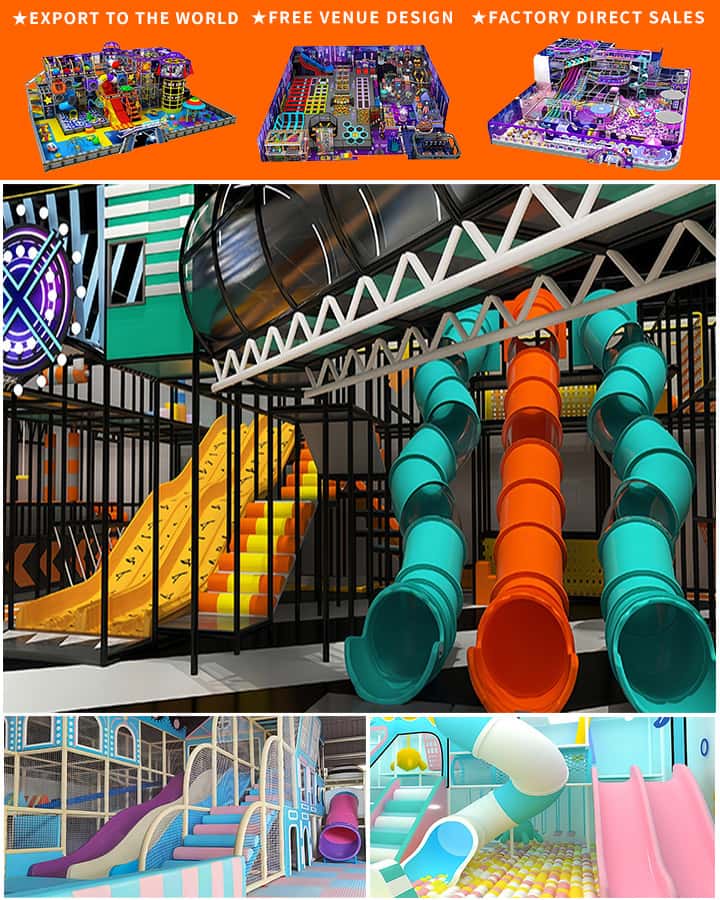
4. Design a Safe and Engaging Play Area
Safety is paramount in an indoor play area. Use non-toxic, child-friendly materials and ensure all equipment meets safety regulations. Incorporate a variety of play zones such as climbing structures, slides, ball pits, and quieter areas for reading or creative play. Make sure the layout allows for smooth traffic flow and easy supervision.
5. Acquire the Necessary Equipment and Supplies
Invest in high-quality, durable play equipment that caters to different age groups. Soft flooring materials like foam or rubber mats can prevent injuries from falls. Stock up on toys, craft supplies, and educational materials that stimulate creativity and learning. Don’t forget to have adequate seating and tables for parents to relax while keeping an eye on their children.
6. Hire Trained Staff
Recruit friendly, responsible staff who are passionate about working with children. Conduct thorough background checks and provide training on first aid, CPR, and child safety protocols. Your team should also be skilled in conflict resolution and able to engage kids in fun activities.
7. Ensure Compliance with Regulations
Comply with all local health and safety regulations, including fire codes and sanitation standards. Obtain the necessary licenses and permits required to operate a business in your area. Regular inspections and maintaining high cleanliness standards will help build trust with your clientele.
8. Marketing and Community Engagement
Promote your play area through various channels such as social media, local newspapers, and community bulletin boards. Host grand opening events and offer introductory discounts to attract initial customers. Build relationships with local schools, daycare centers, and parenting groups to foster a loyal customer base.
9. Offer Value-Added Services
Consider expanding your offerings to include special events like birthday parties, workshops, or themed play days. Provide additional services such as babysitting for parents who want to use the facility without their children or offer healthy snacks and refreshments. These extras can enhance the overall experience and increase revenue streams.
10. Continuous Improvement
Regularly seek feedback from your customers to make improvements. Stay updated with the latest trends in children’s play and incorporate innovative ideas to keep your play area fresh and engaging. Consistently monitor operations to ensure efficiency and address any issues promptly.
Starting a children’s indoor play area business requires dedication, creativity, and attention to detail. By focusing on creating a safe, enjoyable environment and continuously adapting to the needs of your customers, you can build a thriving business that brings joy to children and satisfaction to parents.