Starting a children’s indoor play area is an exciting venture that promises fun and profitability. However, like any business, it requires meticulous planning and foresight to ensure success. This article provides a detailed business plan to guide aspiring entrepreneurs through creating a thriving children’s indoor play area.
Market Research and Analysis
Target Audience
Understanding your target audience is crucial in designing a play area that appeals to both children and their parents. Typically, the primary customers are families with young children aged 1-10 years. Engaging activities and a safe, stimulating environment should be at the heart of your offering.
Competitor Analysis
Conduct thorough research on existing indoor play areas in your vicinity. Identify their strengths and weaknesses to determine what sets your play area apart. Pay attention to the variety of attractions, pricing models, and customer reviews.
Location
Choosing the right location is paramount. High foot traffic areas such as shopping malls, community centers, or standalone facilities near residential neighborhoods can draw more visitors. Ensure the venue is easily accessible and has enough space for different play structures.
Financial Planning
Budget Allocation
Develop a comprehensive budget covering all expenses, including leasing or purchasing space, equipment acquisition, staff salaries, marketing, and operating costs. Allocate funds wisely to ensure you have enough capital to start and sustain operations until the business becomes profitable.
Revenue Streams
 Consider various revenue streams to diversify income. These can include admission fees, party rentals, membership plans, retail sales of toys and snacks, and possibly even offering workshops or classes.
Pricing Strategy
Set competitive yet profitable pricing for your services. Offer tiered pricing options such as single visits, monthly memberships, and discounted rates for birthday parties. Keep affordability in mind while ensuring quality and safety.
Design and Layout
Themes and Activities
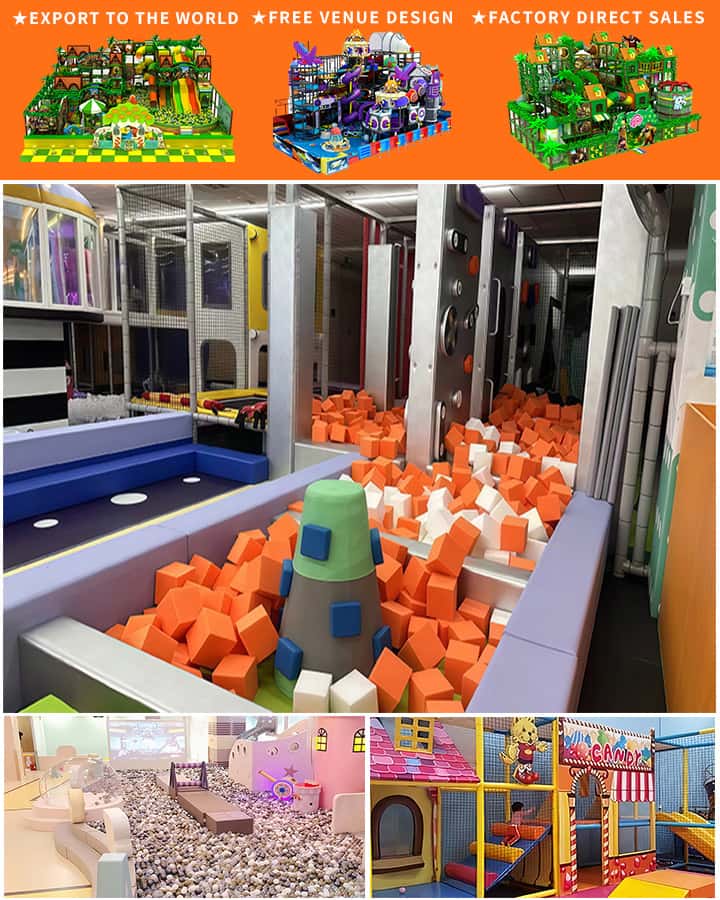
Choose appealing themes for different sections of the play area. Ideas include pirate ships, fantasy forests, space adventures, and sports zones. Incorporate age-appropriate activities such as climbing walls, slides, ball pits, interactive games, and creative arts corners.
Safety Standards
Safety is non-negotiable when dealing with children. Ensure all equipment meets stringent safety standards and conduct regular inspections. Hire trained staff to monitor play areas and enforce rules to prevent accidents.
Cleanliness and Maintenance
Maintain high standards of cleanliness to create a welcoming environment. Regularly clean equipment and common areas, especially surfaces that come into direct contact with children. Implement strict hygiene protocols, especially post-pandemic.
Marketing and Promotion
Brand Development
Create a strong brand identity, including a memorable name, logo, and tagline. Your brand should convey fun, safety, and educational value. Develop a website and social media profiles to reach potential customers.
Community Engagement
Engage with local communities by hosting events, participating in fairs, and collaborating with schools and parent groups. Word-of-mouth referrals from satisfied parents can significantly boost your business.
Digital Marketing
Leverage digital marketing strategies such as search engine optimization (SEO), pay-per-click (PPC) advertising, and social media campaigns to increase online visibility. Offer promotions and discounts for first-time visitors to attract new customers.
Operational Planning
Staff Training
Hire friendly, patient, and responsible staff. Conduct training sessions on safety procedures, customer service, and emergency protocols. Empower employees to handle difficult situations effectively.
Scheduling and Booking System
Implement an efficient scheduling system to manage bookings, whether for drop-in visits, parties, or private events. A well-organized calendar helps avoid overbooking and ensures smooth operations.
Customer Feedback and Improvement
Encourage feedback from customers to continuously improve your services. Regularly review customer comments and suggestions to make necessary adjustments. Show appreciation for constructive criticism and demonstrate commitment to enhancing the play experience.
Conclusion
Establishing a successful children’s indoor play area demands careful planning, creativity, and dedication. By focusing on safety, engaging activities, and excellent customer service, you can create a haven where children enjoy endless fun while parents find peace of mind. With this comprehensive business plan as your roadmap, you’ll be well on your way to turning your playful vision into a thriving reality.