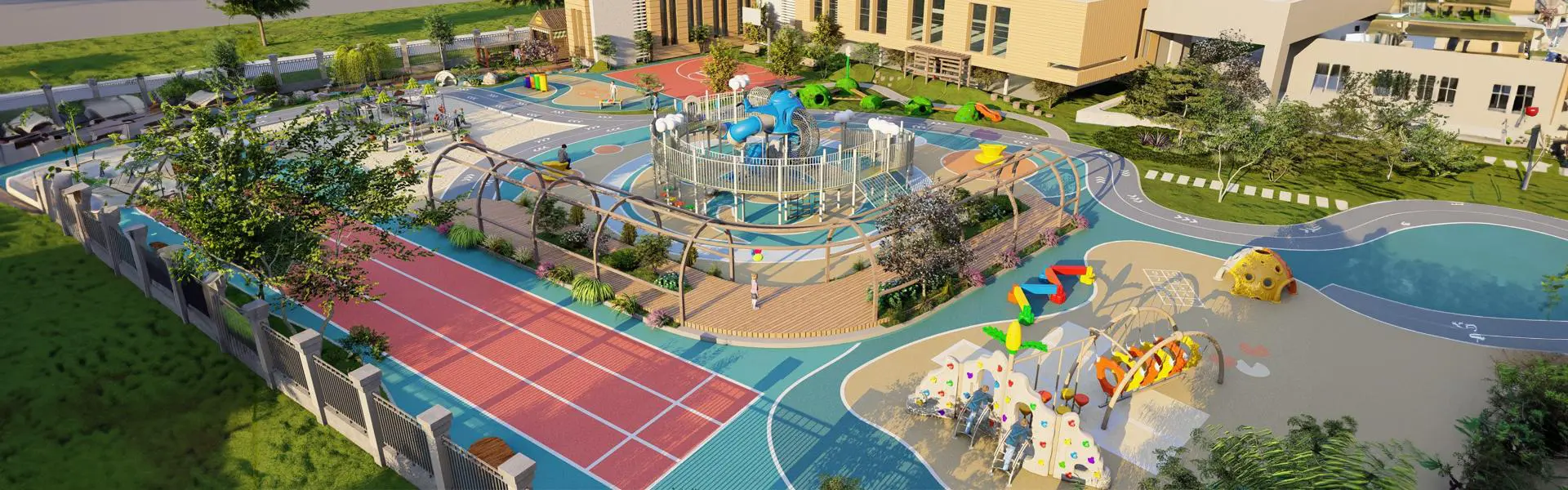
Designing a family entertainment center is an exciting endeavor, offering endless possibilities to create a space where families can bond, relax, and be entertained. The key to crafting the ideal family entertainment center lies in its floor plan. An effective layout maximizes usability, flow, and fun, ensuring that every corner of the space is inviting and functional. This comprehensive guide will walk you through creating a family entertainment center floor plan that caters to the needs and desires of every family member.
Understanding Your Needs: The Foundation of Your Floor Plan
Before diving into the specifics of your floor plan, it’s essential to understand what activities you want to accommodate. Are you looking for a space that includes gaming zones, a home theater, a reading nook, or perhaps a play area for younger children? List out all the activities and prioritize them based on your family’s preferences.
Key Considerations:
- Demographics: Tailor the space according to the age groups within the household.
- Activities: Identify the primary activities and ensure there is enough space allocated for each.
- Budget: Determine how much you are willing to invest in the entertainment center and allocate funds accordingly.
- Future Growth: Consider potential additions to the family and future-proof your design.
The Ideal Layout: Zoning for Optimal Enjoyment
The next step involves dividing your space into zones, each dedicated to a specific activity or purpose. Here’s how you can strategically plan these zones:
Entrance and Reception Area
- Purpose: The entrance sets the tone for the rest of the center. It should be welcoming and functional.
- Elements: A comfortable seating area, storage for shoes and bags, and a coat rack.
Living/Lounge Area
- Purpose: A flexible space for relaxation, casual dining, or social gatherings.
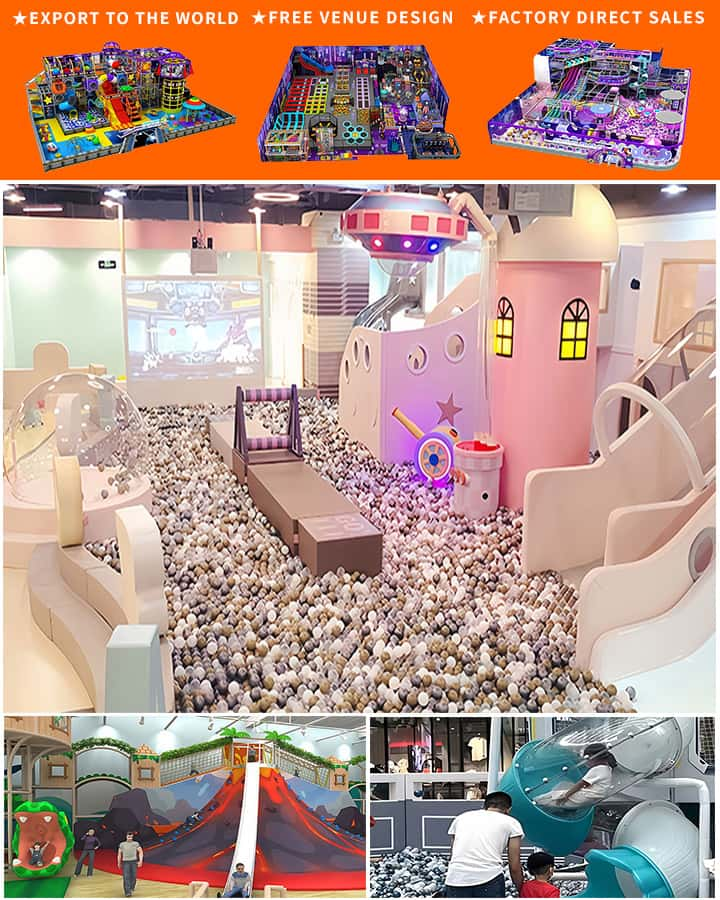
- Elements: Comfortable sofas, coffee tables, ambient lighting, and possibly a TV wall for casual viewing.
Home Theater/Media Room
- Purpose: A dedicated area for watching movies, playing video games, or hosting virtual reality experiences.
- Elements: Plush seating, high-quality audiovisual equipment, blackout curtains, and soundproofing.
Game Zone
- Purpose: A hub for board games, video game consoles, and other interactive entertainment.
- Elements: A sturdy table, shelves for game storage, and ergonomic seating options.
Reading Nook/Library
- Purpose: A serene environment for reading or studying.
- Elements: Cozy chairs, good lighting, bookshelves, and a desk if needed.
Play Area for Children
- Purpose: A safe and stimulating space for kids to play and explore.
- Elements: Child-friendly furniture, toys, educational materials, and cushioned flooring.
Kitchenette/Refreshment Area
- Purpose: To keep snacks and drinks handy without disturbing the main living areas.
- Elements: A small countertop, mini fridge, microwave, and some cabinets for storing supplies.
Fitness/Activity Corner
- Purpose: For those who prefer physical activities indoors.
- Elements: Yoga mats, resistance bands, a stationary bike, or even room for dancing or aerobics.
Traffic Flow and Accessibility
A well-planned family entertainment center should facilitate easy movement between different areas. Ensure that pathways are wide enough to avoid congestion and consider the placement of doorways and transitions between zones. Integrating natural light and ventilation will also enhance the overall experience by making the space feel more open and inviting.
Tips for Seamless Traffic Flow:
- Open Concept: Use open spaces to connect various zones visually and physically.
- Furniture Placement: Arrange furniture to create clear walkways without obstructing views or access.
- Multi-Functional Furniture: Opt for pieces that can serve multiple purposes, such as ottomans with storage or fold-out desks.
Adding Personal Touches
Finally, personalize your entertainment center to reflect your family’s personality and interests. Incorporate favorite colors, themes, or memorabilia into the decor. Wall art, decorative lighting, and custom furnishings can transform a generic space into a uniquely tailored haven for your family’s enjoyment.
Personalization Ideas:
- Custom Shelving: Display family heirlooms or collections.
- Themed Decor: Choose a specific theme like vintage, modern, or rustic.
- Interactive Art: Involve the kids in creating artwork or murals for their play area.
Conclusion
Crafting a family entertainment center that suits your household’s unique needs and lifestyle requires thoughtful planning and creativity. By understanding your requirements and zoning the space effectively, you can create a harmonious floor plan that provides endless enjoyment for everyone. Whether it’s movie nights, game sessions, or quiet reading times, a well-designed family entertainment center will become the heart of your home, fostering connection and joy for years to come.