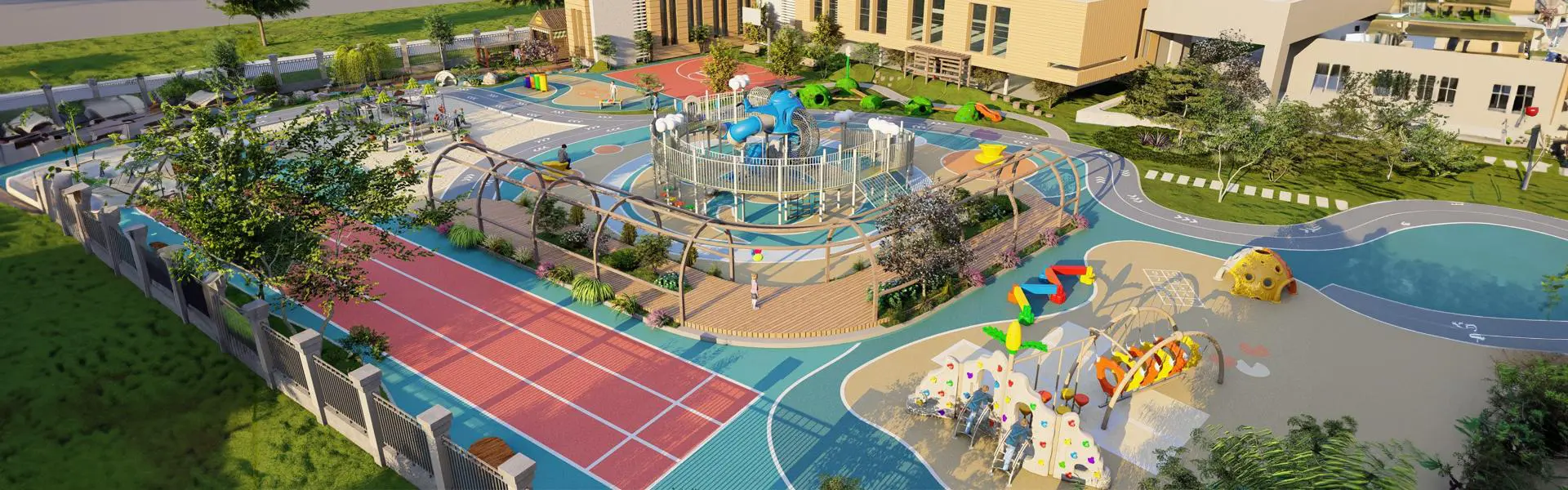
School playgrounds are vibrant spaces where children engage in physical activity, develop social skills, and build lasting memories. The selection and pricing of playground equipment play a crucial role in ensuring these environments are both safe and enjoyable for young learners. In this article, we’ll explore the factors influencing school playground equipment prices and why making the right investment is essential.
Factors Influencing School Playground Equipment Prices
Several key elements determine the cost of playground equipment, including materials used, design complexity, safety features, and installation requirements.
Materials Used: The durability and longevity of playground equipment often depend on the materials used in their construction. High-quality materials such as stainless steel, heavy-duty plastics, and non-toxic finishes tend to be more expensive upfront but offer better value over time due to enhanced durability and lower maintenance costs.
Design Complexity: Innovative and custom designs can add to the overall expense. While unique structures that cater to diverse age groups and abilities may be pricier, they also offer more inclusive play experiences that benefit all students.
Safety Features: Safety is paramount when it comes to playground equipment. Features such as anti-slip surfaces, rounded edges, and impact-absorbing materials can increase initial costs but provide significant long-term benefits by reducing injury risks.
Installation Requirements: Professional installation ensures that playground equipment meets safety standards and manufacturer guidelines. Labor costs for proper installation should not be overlooked when budgeting for new equipment.
Why Making the Right Investment Matters
Investing in high-quality playground equipment is not just about immediate costs; it’s a long-term commitment to fostering healthy and engaged students. Here’s why making the right investment is so important:
Enhanced Safety: Quality playground equipment minimizes the risk of injuries, providing peace of mind to teachers, parents, and administrators. Safer playgrounds encourage greater participation from students.
Durability: High-quality materials and craftsmanship mean that playgrounds will withstand harsh weather conditions, constant use, and the test of time. This reduces the need for frequent replacements and repairs, saving money in the long run.
Inclusivity and Engagement: Modern playgrounds designed with inclusivity in mind cater to children with various physical abilities, promoting a sense of belonging and encouraging universal participation. Engaging playgrounds stimulate creativity and physical development.
Community Value: Well-maintained and thoughtfully designed playgrounds enhance the overall appeal of a school, positively affecting enrollment rates and community perception. A good reputation can lead to increased funding and community support.
Budgeting for Playground Equipment
Given the importance of investing in quality playground equipment, schools must carefully manage their budgets. Here are some tips for effective budgeting:
Prioritize Needs: Identify which pieces of equipment are most critical for your students’ needs and allocate funds accordingly. Prioritizing essential safety features and inclusive designs can help stretch limited budgets more effectively.
Seek Grants and Fundraising Opportunities: Many organizations offer grants for school playground improvements. Additionally, community fundraising events can provide extra financial support.
Consult with Experts: Working with playground designers and safety consultants can ensure that you’re making informed decisions that balance cost with long-term value.
Long-Term Planning: Consider future-proofing your playground by investing in versatile and durable equipment. This approach may have higher initial costs but can result in fewer expenses over time.
Conclusion
Understanding the factors that influence school playground equipment prices is essential for making informed purchasing decisions. While initial costs might be a concern, the long-term benefits—such as enhanced safety, durability, inclusivity, and community value—make quality investments worthwhile. By prioritizing the right equipment and managing budgets effectively, schools can create enriching and secure play environments that contribute to the holistic development of their students.