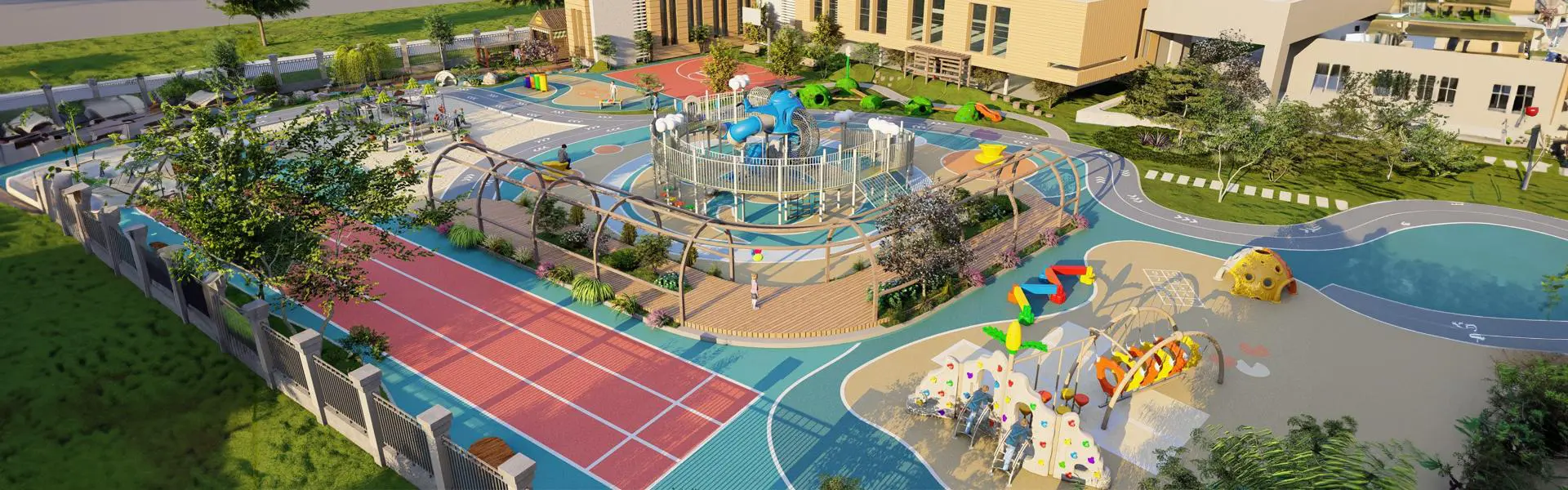
Playgrounds are essential spaces where children’s physical, cognitive, and social skills flourish through play. Understanding what playground equipment is made of can help ensure these spaces are safe, durable, and environmentally friendly. This article delves into the various materials used in playground equipment, exploring their benefits, drawbacks, and applications.
Wood: The Natural Choice
Wood has long been a staple in playground design due to its natural appearance, durability, and versatility. Common types of wood used include Southern Yellow Pine, Redwood, and Fir. Pressure-treated wood, which is infused with preservatives to resist decay and insects, is particularly popular for its longevity and safety. However, concerns about the chemicals used in pressure treatment have led some municipalities to prefer untreated or naturally resistant woods like Cedar and Redwood, despite their shorter lifespans.
Benefits:
- Aesthetic appeal
- Environmentally friendly when sourced sustainably
- Less risk of injury compared to metal and plastic
Drawbacks:
- Requires regular maintenance (sealing, staining)
- Potential for splinters if not properly maintained
- Can be susceptible to rot and termites if not treated
Metal: Durability Personified
Metal playground equipment, often made from steel, aluminum, or a combination of both, is known for its strength and resilience. Steel, in particular, is favored for heavy-duty structures like jungle gyms and merry-go-rounds. Its powder-coated finish not only enhances its visual appeal but also provides an extra layer of protection against rust and corrosion. Aluminum, being lighter and more resistant to rust, is ideal for portable elements such as seesaws and swings.
Benefits:
- Highly durable and long-lasting
- Lower maintenance requirements
- Can support heavier loads compared to wood
Drawbacks:
- Risk of injury if surfaces are not properly rounded or padded
- Susceptible to rust if the protective coating wears off
- Can become very hot under direct sunlight
Plastic: The Versatile Modern Solution
In recent years, plastic has emerged as a popular material for playground equipment due to its lightweight nature, vibrant colors, and flexibility. High-density polyethylene (HDPE) is a common type of plastic used, prized for its resistance to fading, cracking, and mildew. It’s often molded into various shapes and sizes, making it ideal for slides, panels, and smaller play structures.
Benefits:
- Non-toxic and generally safer for children
- Requires minimal maintenance
- Available in a wide range of colors
Drawbacks:
- Less durable than metal and can break under heavy use
- May fade over time, especially when exposed to harsh weather conditions
- Environmental concerns about plastic waste and recyclability
Composite Materials: The Best of Both Worlds
Composite materials, typically a mixture of fiberglass and resin, offer the combined benefits of both metal and plastic. These materials are incredibly strong yet lightweight, making them suitable for large, complex structures like climbing walls and play towers. They are also highly customizable in terms of color and texture, allowing for creative and engaging designs.
Benefits:
- Exceptionally durable and low maintenance
- High aesthetic and design flexibility
- Resistant to weather conditions and fading
Drawbacks:
- More expensive than other materials
- Repairs can be challenging if damage occurs
- Not as eco-friendly as natural materials
Choosing the right materials for playground equipment involves balancing factors such as safety, durability, maintenance, and environmental impact. While each material has its unique advantages and potential drawbacks, they all contribute to creating dynamic, enjoyable, and secure play environments for children. Whether opting for the natural charm of wood, the resilience of metal, the versatility of plastic, or the superior performance of composites, playground designers can create spaces that inspire imagination and foster development.