
Outdoor playground equipment has long been recognized as an integral part of school infrastructure, playing a crucial role in the overall development and well-being of children. Beyond just being a source of fun and entertainment, these play areas are fundamental in fostering physical health, social skills, and cognitive development among students. This article delves into the significance of outdoor playground equipment in schools, exploring its various benefits and considerations for effective implementation.
Physical Health and Fitness
One of the primary benefits of outdoor playground equipment is its contribution to the physical health and fitness of children. In an age where sedentary lifestyles are becoming increasingly common, having access to outdoor play structures encourages students to engage in physical activities. Climbing frames, slides, balance beams, and swings provide opportunities for children to develop motor skills, coordination, and strength. Regular physical activity through playground equipment helps combat childhood obesity, promotes cardiovascular health, and enhances muscular and skeletal development.
Social and Emotional Development
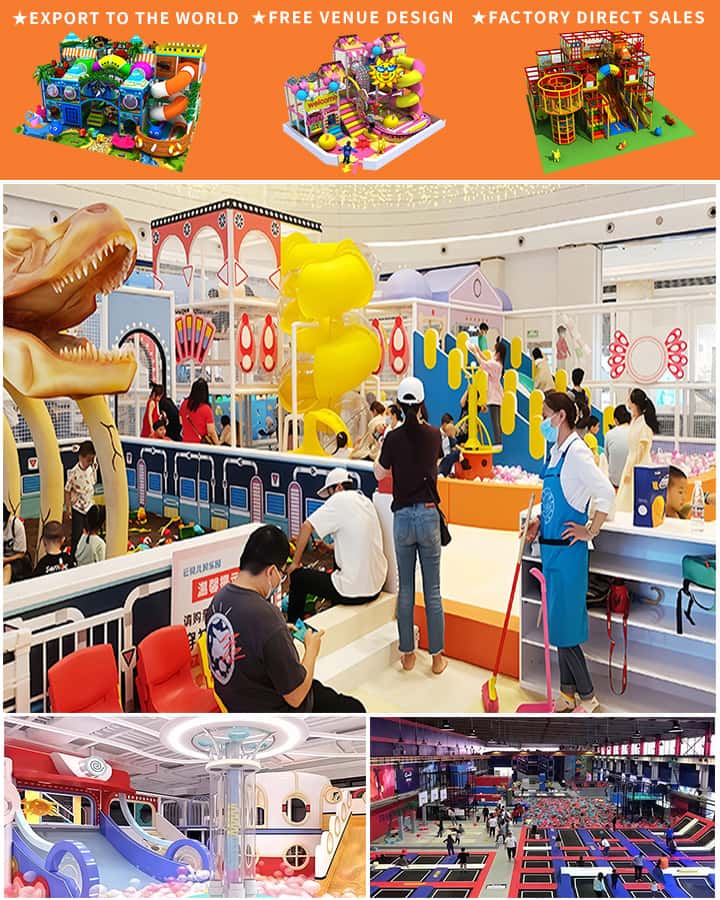
Playgrounds serve as vital social spaces where children learn essential social skills. Interactive equipment such as seesaws, merry-go-rounds, and collaborative games foster cooperation, teamwork, and communication among peers. These interactions help children develop empathy, sharing abilities, and conflict resolution skills. Furthermore, the informal and relaxed environment of a playground allows children to express themselves freely, reducing stress and improving their emotional well-being. The friendships and positive associations formed during playtime can significantly impact a child’s self-esteem and social confidence.
Cognitive Growth and Creativity
Engaging with outdoor playground equipment also stimulates cognitive growth and creativity. Activities like navigating climbing structures or figuring out how to balance on a beam require problem-solving skills and critical thinking. Sandpits, water features, and imaginative play zones allow children to explore their creativity and invent new games, fostering intellectual curiosity. Such unstructured play is essential for cognitive development, encouraging children to think outside the box and develop innovative solutions to challenges they encounter.
Safety Considerations
While the benefits of outdoor playground equipment are numerous, safety remains a paramount concern. Schools must ensure that all playground structures are age-appropriate, well-maintained, and comply with safety standards. Regular inspections for wear and tear, proper installation of equipment, and the use of shock-absorbing surfaces like rubber mats or wood chips are crucial in preventing injuries. Educators and supervisors should also be trained to monitor play areas and intervene if necessary, ensuring a safe environment for all students.
Inclusive Play: Catering to All Abilities
An often overlooked but equally important aspect of playground equipment is inclusivity. Schools should strive to provide playground equipment that caters to children of all abilities, including those with physical disabilities. Inclusive playgrounds feature wheelchair-accessible swings, sensory play elements, and adaptive climbers, allowing every child to participate in playtime activities. By promoting inclusivity, schools foster a sense of belonging and equality among all students, reinforcing the values of diversity and acceptance.
Conclusion
Outdoor playground equipment holds immense value in the holistic development of schoolchildren. From enhancing physical fitness to nurturing social skills, promoting cognitive growth, and ensuring safety and inclusivity, these play areas are indispensable. As educational institutions continue to recognize the importance of well-rounded development, investing in quality outdoor playground equipment becomes ever more critical. By creating engaging and safe play environments, schools can provide children with the foundation they need to thrive both academically and personally, setting them on a path toward healthier, happier lives.