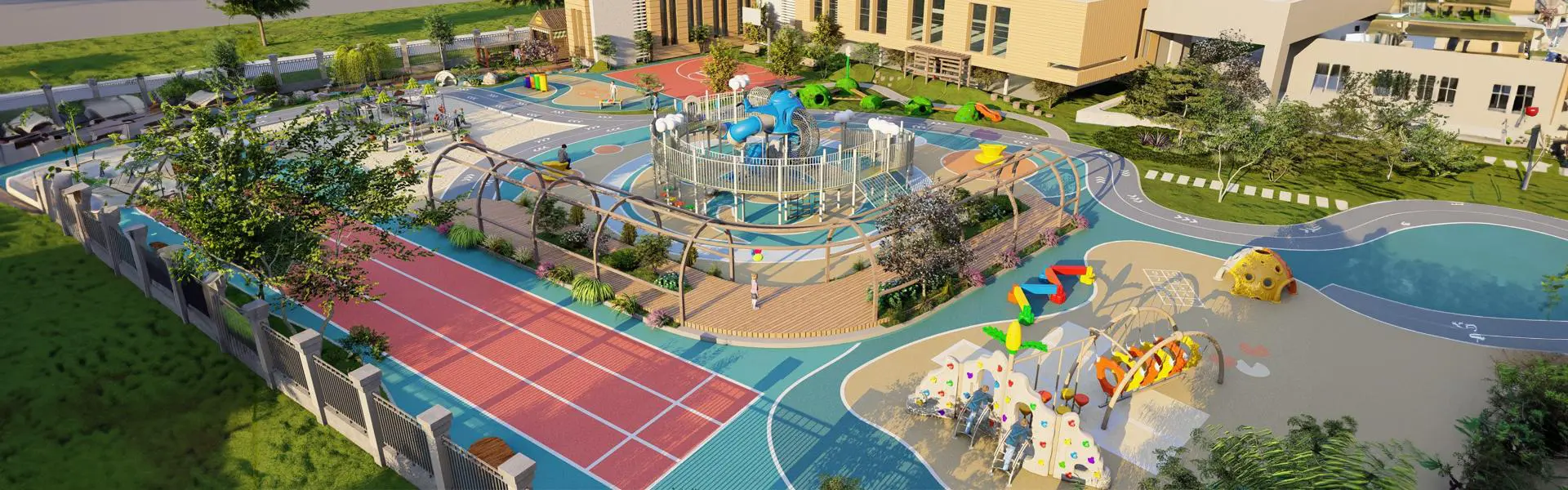
In recent years, the concept of natural playground equipment has gained significant traction among parents, educators, and community planners. As the benefits of unstructured outdoor play become increasingly recognized, more emphasis is being placed on creating environments where toddlers can explore, learn, and develop essential skills through interaction with nature. Natural playground equipment, which often includes elements like wooden play structures, logs, boulders, sand, water features, and plant life, offers a host of advantages over traditional, man-made playground setups.
One of the primary benefits of natural playground equipment is its ability to enhance physical development in toddlers. Unlike rigid, pre-designed playground toys, natural elements encourage children to engage in varied physical activities. Climbing on rocks or logs, balancing on uneven surfaces, and navigating through different terrains help to strengthen muscles, improve coordination, and develop gross motor skills. These activities also promote cardiovascular health as children run, jump, and play, making natural playgrounds an excellent tool for combating childhood obesity and promoting overall fitness.
Moreover, natural playgrounds stimulate sensory experiences that are crucial during the formative years. The textures, smells, sounds, and sights found in nature provide rich sensory input that aids cognitive and emotional development. Toddlers who spend time outdoors interacting with natural materials such as leaves, bark, or water develop better observational skills and a deeper understanding of their environment. This sensory engagement can lead to heightened creativity and problem-solving abilities as children learn to navigate the diverse challenges posed by natural play spaces.
Social development is another area where natural playgrounds prove beneficial. Unlike conventional playgrounds, which often come with specific rules and designated uses for each piece of equipment, natural play areas allow for more open-ended and imaginative play. Children are encouraged to cooperate, negotiate roles, and resolve conflicts on their own terms. This kind of social interaction fosters important skills such as empathy, teamwork, and communication—essential building blocks for healthy interpersonal relationships throughout life.
Furthermore, there is growing evidence to suggest that exposure to nature can have positive impacts on mental well-being. The natural world offers a calming and restorative environment that helps reduce stress and anxiety levels in toddlers. Spending time outdoors in a natural setting has been linked to improved mood, increased attention spans, and even better academic performance. For young children who are just beginning to understand and manage their emotions, the tranquil and stimulating environment of a natural playground can be particularly soothing and empowering.
Safety is often a concern when it comes to natural play areas, but with proper design and supervision, these spaces can be just as safe as their man-made counterparts. Natural equipment tends to be softer and more flexible than metal slides or plastic swings, reducing the risk of serious injury from falls. Additionally, natural playgrounds can be designed to include safety features such as soft landing zones made of wood chips or mulch, ensuring that children can explore freely while minimizing the chances of harm.
In conclusion, natural playground equipment offers a myriad of benefits for toddlers, from physical and sensory development to social and emotional growth. By providing an environment rich in natural elements, we create opportunities for children to learn about the world around them while fostering their overall well-being. As society continues to recognize the value of outdoor play, it is likely that we will see an increasing number of natural playgrounds designed to support the healthy development of our youngest generation.