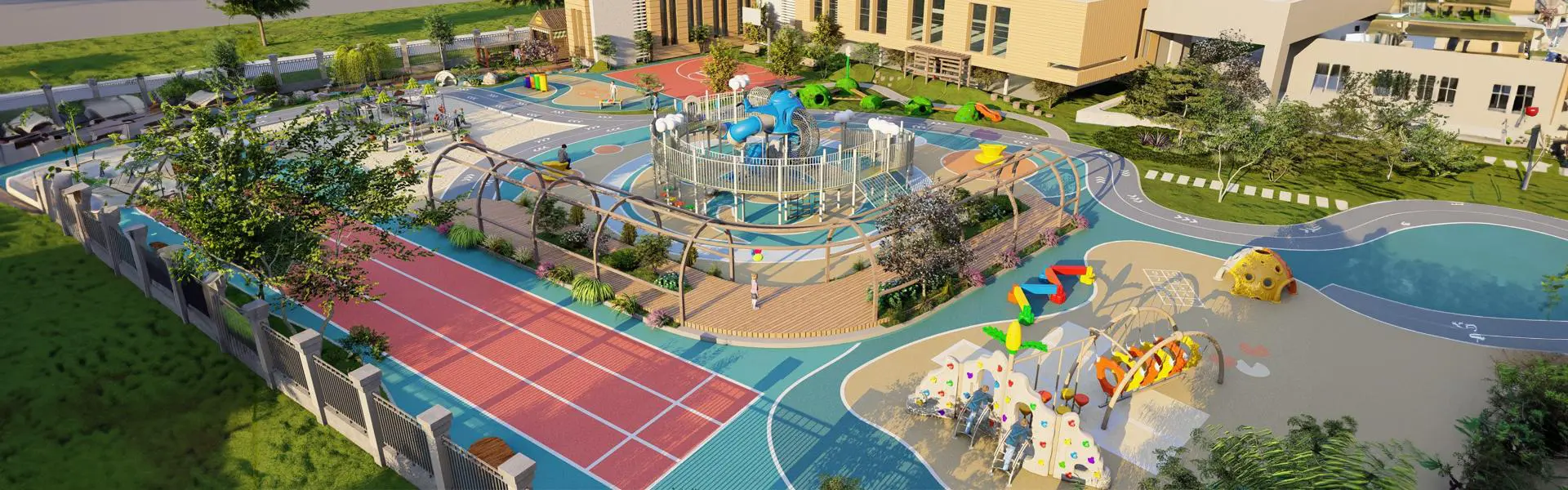
In the bustling ecosystem of a school, playground equipment holds a significant role far beyond mere recreation. These installations are vital tools that contribute to the physical, social, and emotional development of students. As educators and administrators strive to create comprehensive learning environments, the importance of investing in high-quality playground equipment cannot be overstated. Here’s an in-depth look into why playground equipment is indispensable in schools.
Physical Development
First and foremost, playground equipment supports the physical growth and health of children. Structures such as monkey bars, climbing walls, and balance beams encourage gross motor skills like coordination, strength, and balance. Swings and seesaws improve core stability and cardiovascular health. By engaging in these activities, children build endurance, flexibility, and muscle tone, which are crucial for their overall development.
Moreover, regular physical activity through playground equipment helps combat issues like childhood obesity and promotes healthy lifestyles from a young age. According to studies, students with access to quality playground equipment are more likely to be physically active throughout the day, leading to better concentration and academic performance in the classroom.
Social Interaction and Teamwork
Playgrounds are microcosms of society where children learn vital social skills. Playing on equipment such as merry-go-rounds or group swings requires cooperation, communication, and sharing. These interactions help children develop empathy, conflict resolution skills, and the ability to work as part of a team.
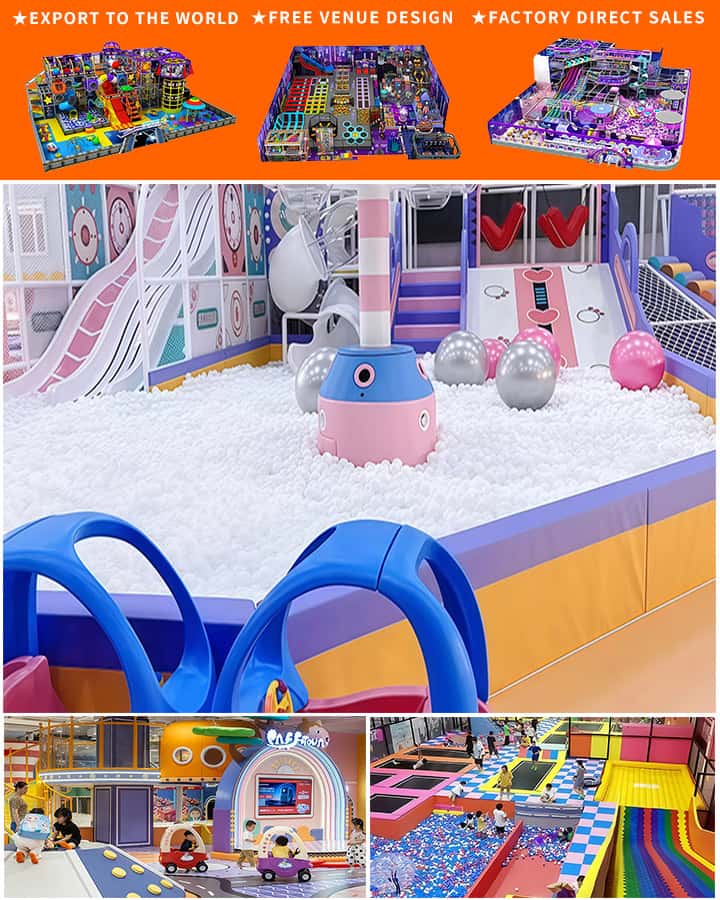
Social play also aids in breaking down barriers among different age groups, abilities, and backgrounds, fostering inclusivity and community spirit. It provides a platform where every child can interact, make friends, and feel a sense of belonging—a fundamental aspect of their emotional well-being.
Emotional Well-being
Emotionally, playgrounds serve as stress relievers and provide a space for children to express themselves freely. The thrill of sliding down a slide or the joy of spinning on a roundabout can lift spirits and alleviate anxiety. This freedom and spontaneity are essential for mental health and allow children to recharge and return to their academic tasks with renewed vigor.
Furthermore, playgrounds offer a non-instructional setting where children can explore at their own pace, experiment with movement, and gain a sense of accomplishment when they conquer challenges. This autonomy and self-confidence are critical for developing resilience and a positive self-image.
Cognitive Benefits
Believe it or not, playground equipment also has cognitive benefits. Activities that involve balance, coordination, and strategic thinking can enhance brain function and stimulate mental growth. For instance, climbing structures encourage problem-solving and spatial awareness. Even simple games on the playground can boost memory, attention span, and creativity.
Additionally, time outdoors in natural play settings has been linked to improved mood and reduced symptoms of ADHD and other behavioral issues. Exposure to green spaces and physical activity creates an optimal environment for cognitive development, making playground equipment an invaluable resource in educational settings.
Safety Considerations
While the benefits are numerous, safety is paramount when it comes to playground equipment. Modern playgrounds incorporate advanced materials and designs that ensure durability and reduce injury risks. Features like rubberized surfaces, rounded edges, and age-appropriate height adjustments are standard in contemporary installations.
Schools must regularly maintain and inspect their playground equipment to uphold safety standards. Regular checks for wear and tear, proper installation, and adherence to safety guidelines are crucial to prevent accidents and ensure that the equipment remains a positive and constructive addition to the school environment.
Conclusion
In conclusion, quality playground equipment is an integral component of a well-rounded education system. It supports physical health, fosters social interaction, enhances emotional well-being, and contributes to cognitive development. Schools that invest in safe, diverse, and stimulating playground equipment provide their students with opportunities for holistic growth that transcends traditional classroom learning. As such, educators and administrators should prioritize the enhancement of playground facilities to nurture the next generation of healthy, well-adjusted, and capable individuals.