
In the modern educational landscape, integrating play into learning has become increasingly recognized as a crucial element in fostering both physical and cognitive development. One innovative approach to achieve this is by offering free playground equipment for schools. This initiative not only supports physical activity but also contributes significantly to children’s overall well-being and academic success.
The Importance of Playgrounds in Educational Institutions
Playgrounds are more than just recreational areas; they are vital spaces that facilitate social interactions, physical exercise, and mental relaxation. Physical activity through playground equipment like swings, slides, and climbing structures helps improve motor skills, coordination, and overall physical health. Furthermore, playgrounds serve as informal learning environments where children can develop problem-solving skills, creativity, and cooperation—key competencies that are beneficial in the classroom setting.
Economic Benefits and Accessibility
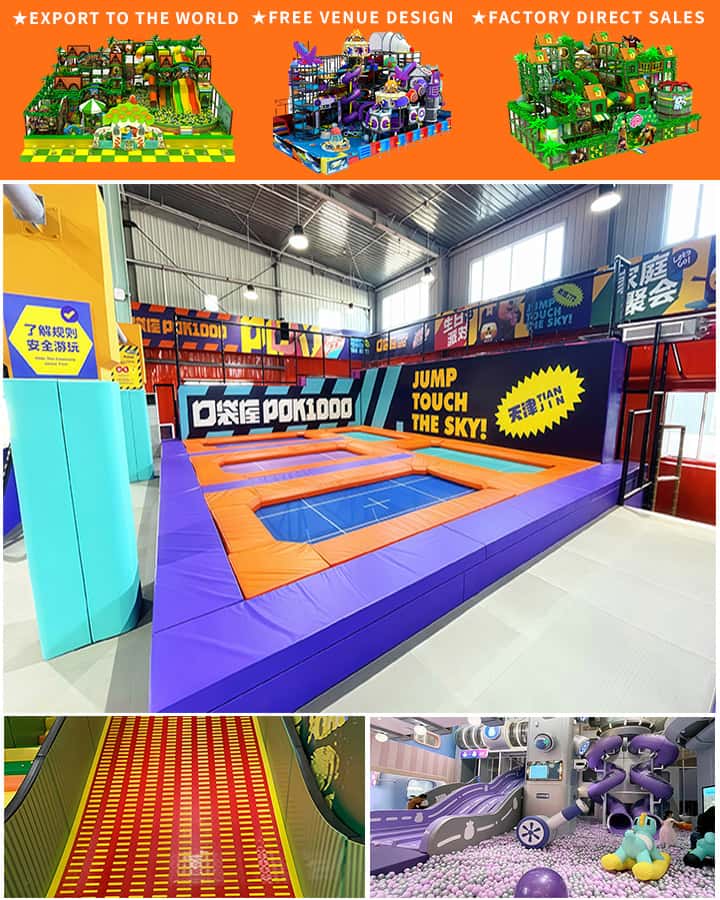
One of the most compelling aspects of providing free playground equipment for schools is the economic advantage it offers. For many educational institutions, especially those serving underprivileged communities, budget constraints often limit access to quality recreational resources. By offering these resources at no cost, all schools can afford to enhance their facilities without additional financial burden.
Moreover, equitable access to playground equipment ensures that children from various socioeconomic backgrounds can benefit equally. This inclusivity promotes a level playing field, allowing every child to enjoy the advantages that come with an enriched play environment.
Health and Well-Being
The incorporation of playgrounds into school grounds directly correlates with improved health outcomes for students. Regular physical activity helps combat childhood obesity, a growing concern in many parts of the world. Playgrounds encourage children to be active during recess and after-school hours, thereby reducing sedentary behavior and promoting healthy lifestyle choices.
Additionally, the mental health benefits cannot be overstated. Playtime reduces stress and anxiety, providing a much-needed break from academic pressures. It fosters an environment where children can express themselves freely and build emotional resilience, skills that are essential for their overall development.
Community and Parental Engagement
Free playground equipment also fosters greater community and parental involvement in schools. When schools offer enhanced recreational facilities, parents are more likely to participate in school events and support school programs. This increased engagement strengthens the school community and creates a collaborative atmosphere that benefits everyone involved.
Conclusion
Investing in free playground equipment for schools is a win-win situation for educational institutions, students, and communities alike. It addresses multiple needs: enhancing physical and mental health, promoting social skills, ensuring equitable access to resources, and boosting parental involvement. As educators and policymakers continue to recognize the value of play in education, providing free playground equipment should become a standard practice. After all, a well-rounded education goes beyond textbooks and tests; it encompasses the holistic development of every child.