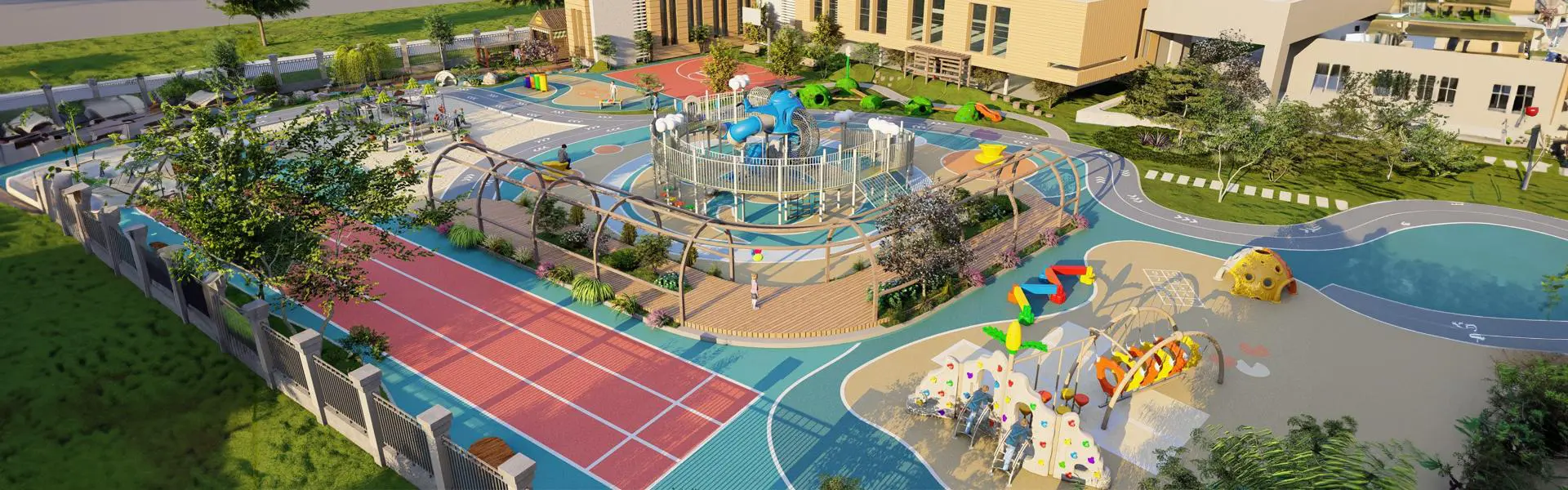
Outdoor playground equipment is a crucial component in the development and well-being of elementary school students. These play spaces are not just zones for children to expend energy but are vital arenas for physical, social, and cognitive growth. The right selection of outdoor playground equipment can transform an ordinary schoolyard into an extraordinary learning environment where children thrive.
Physical Development
One of the primary benefits of outdoor playground equipment is its significant impact on children’s physical health. Structures such as climbing frames, slides, and balance beams encourage physical activity, which is essential for developing motor skills and overall fitness. Climbing walls, for example, improve hand-eye coordination and upper body strength, while seesaws and swings enhance balance and core stability. By engaging in these activities, children build stronger muscles and bones, setting the foundation for a healthy lifestyle.
Social Interaction
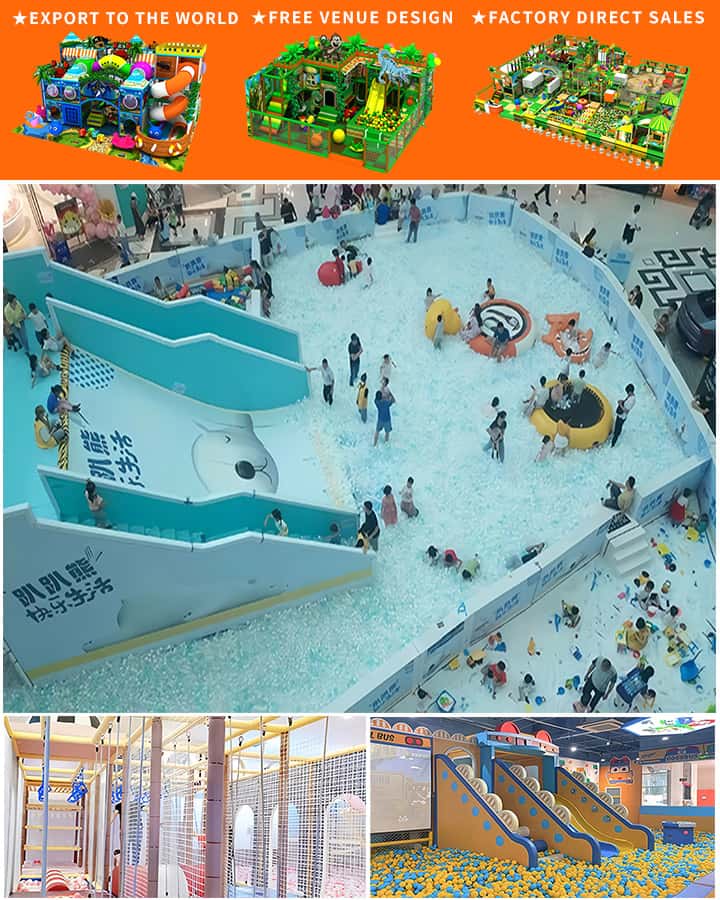
Outdoor playground equipment also serves as a catalyst for social interaction among elementary school students. Group activities on playgrounds, such as playing on jungle gyms or engaging in team games like tag or capture the flag, foster important social skills. Children learn to share, take turns, collaborate, and resolve conflicts. These interactions are fundamental in building friendships and improving communication skills. Social dynamics that start on the playground often carry over into the classroom, creating a more cohesive and supportive school environment.
Cognitive Growth
The benefits of outdoor playground equipment extend to cognitive development as well. Natural exploration on the playground stimulates creativity and problem-solving abilities. Equipment that challenges children to think critically, such as puzzles embedded in the playground design or interactive installations, can enhance their cognitive skills. Furthermore, outdoor environments provide sensory experiences—such as the feel of grass, the sound of rustling leaves, and the scent of fresh air—that contribute to brain development and stress reduction.
Safety Considerations
Ensuring the safety of outdoor playground equipment is paramount. Schools must adhere to stringent safety guidelines to prevent injuries. Regular maintenance checks should be conducted to ensure that all equipment is secure, with no sharp edges or protruding screws. Surfaces under play structures should be made of safe materials like rubber mats or wood chips to cushion falls. Additionally, age-appropriate equipment should be selected; what works for older children may not be safe or suitable for younger kids.
Inclusive Play
Modern playground design emphasizes inclusivity, ensuring that equipment is accessible to all children, regardless of their physical abilities. Features such as wheelchair-accessible spinners, sensory play panels for visually impaired children, and adaptive swings cater to diverse needs. Inclusive playgrounds promote empathy and understanding among students, creating a more unified community within the school.
Conclusion
In conclusion, outdoor playground equipment is an indispensable asset for elementary schools, contributing significantly to the physical, social, and cognitive development of children. Thoughtfully chosen and maintained playground equipment not only ensures safety but also enriches the educational experience by fostering an environment where every child can learn, grow, and thrive. As educators and communities invest in quality outdoor play spaces, they lay down the foundation for healthier, happier, and more well-rounded future generations.