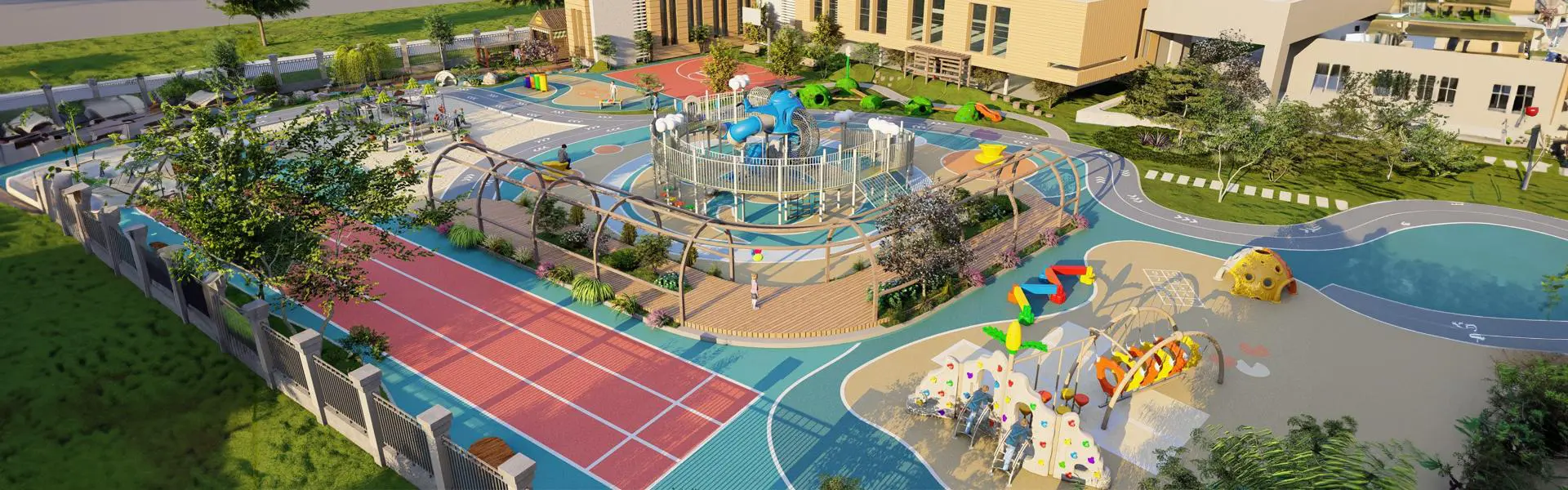
Designing a perfect play area for children is an endeavor that requires both creativity and practicality. A well-designed playground not only provides endless hours of fun but also promotes physical activity, social interaction, and cognitive development. Central to this task are the various pieces of playground equipment that can transform any ordinary space into a haven of excitement and learning. Here’s a comprehensive guide to creating the ultimate kids’ play area, complete with essential playground equipment.
The Importance of Play Areas
Before delving into specific equipment, it’s crucial to understand why play areas are so important. Play is an integral part of childhood; it helps in developing motor skills, fostering creativity, and building social bonds among children. A safe and stimulating play environment offers kids the freedom to explore, learn, and grow.
Key Components of a Play Area
Safety Surfacing Safety should be the foremost consideration in any play area. Installing appropriate safety surfacing, such as rubber mulch, sand, or foam, cushions falls and prevents injuries. Ensure the surfacing material complies with local safety standards to provide maximum protection.
Slides Slides are quintessential playground fixtures that delight both young and older children. They come in various shapes, sizes, and materials, from simple straight slides to twisty, corkscrew models. Incorporating multiple types of slides adds variety and keeps the play area engaging.
Swing Sets
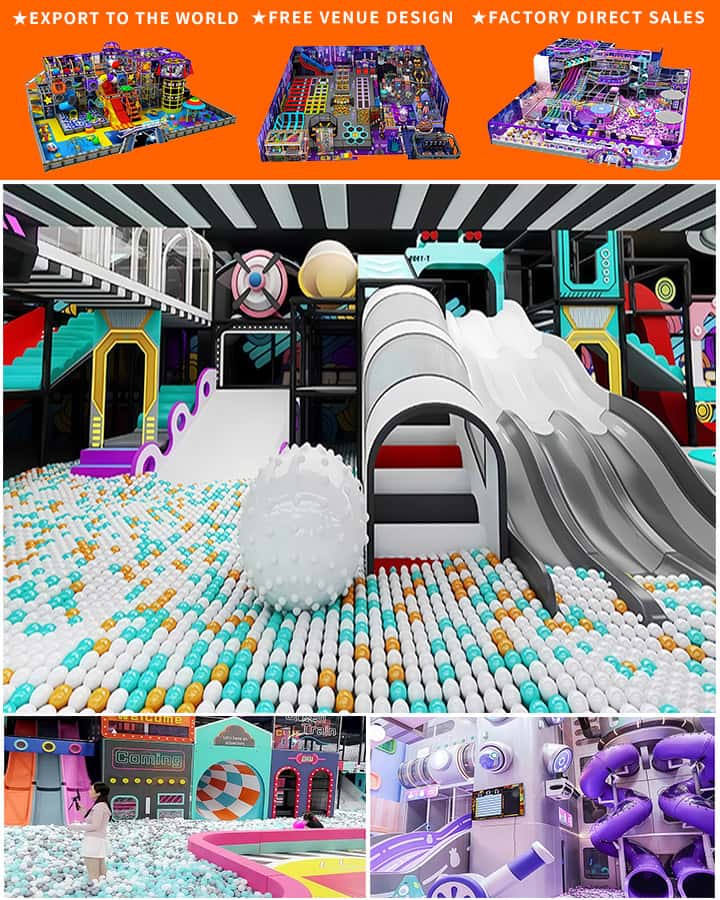 Swing sets are another staple of playgrounds, encouraging children to develop balance and coordination. Modern swing sets often include baby swings, belt swings, and trapeze bars, catering to different age groups and abilities. Adding a variety of swings ensures that all children can participate safely.
Climbing Structures Climbing structures, including jungle gyms and climbing walls, provide excellent opportunities for physical exercise and problem-solving. These structures challenge children’s strength and agility while teaching them about spatial awareness and risk assessment. Ensure these structures have secure handholds and non-slip surfaces.
Balance Beams and Gym Sets For children who enjoy more physically challenging activities, balance beams and gym sets offer a fantastic outlet. These elements improve balance, coordination, and overall fitness. Including adjustable height options allows for use by children of varying ages and skill levels.
Merry-Go-Rounds and Spinning Platforms Merry-go-rounds and spinning platforms add a fun, dynamic element to any playground. These pieces encourage cooperative play and help develop gross motor skills. Ensure they are securely anchored and have safety features like handrails and non-slip surfaces.
Interactive Elements Incorporate interactive elements such as musical instruments, water features, or sensory play panels to stimulate auditory, visual, and tactile senses. These additions make the play area more inclusive and cater to children with different sensory needs.
Shaded Areas Providing shaded areas is essential, especially in regions with high sun exposure. Shade structures protect children from harmful UV rays and prevent overheating. Consider installing canopies or natural shade from trees to create comfortable, cooler play environments.
Inclusive Play Equipment Designing an inclusive play area means ensuring that children of all abilities can enjoy the space. Incorporate wheelchair-accessible equipment, sensory-rich installations, and equipment that accommodates diverse physical abilities. This ensures every child has a place to play and interact.
Planning Tips
Layout Design Plan the layout carefully to ensure a smooth flow of movement and avoid overcrowding. Group similar equipment together to create distinct play zones within the larger area.
Durability and Maintenance Choose equipment made from durable materials that can withstand heavy use and harsh weather conditions. Regular maintenance checks will keep the equipment safe and extend its lifespan.
Community Involvement Involve the community in the design process, especially the parents and caregivers of young children. Their insights can help tailor the play area to better meet the needs of local families.
Conclusion
Creating the ultimate kids’ play area with well-chosen playground equipment fosters a space where children can thrive through active play and exploration. By prioritizing safety, diversity in play options, and inclusivity, you can create a vibrant, engaging environment that benefits the entire community. So grab your blueprints and start planning – the future of play has never looked brighter!