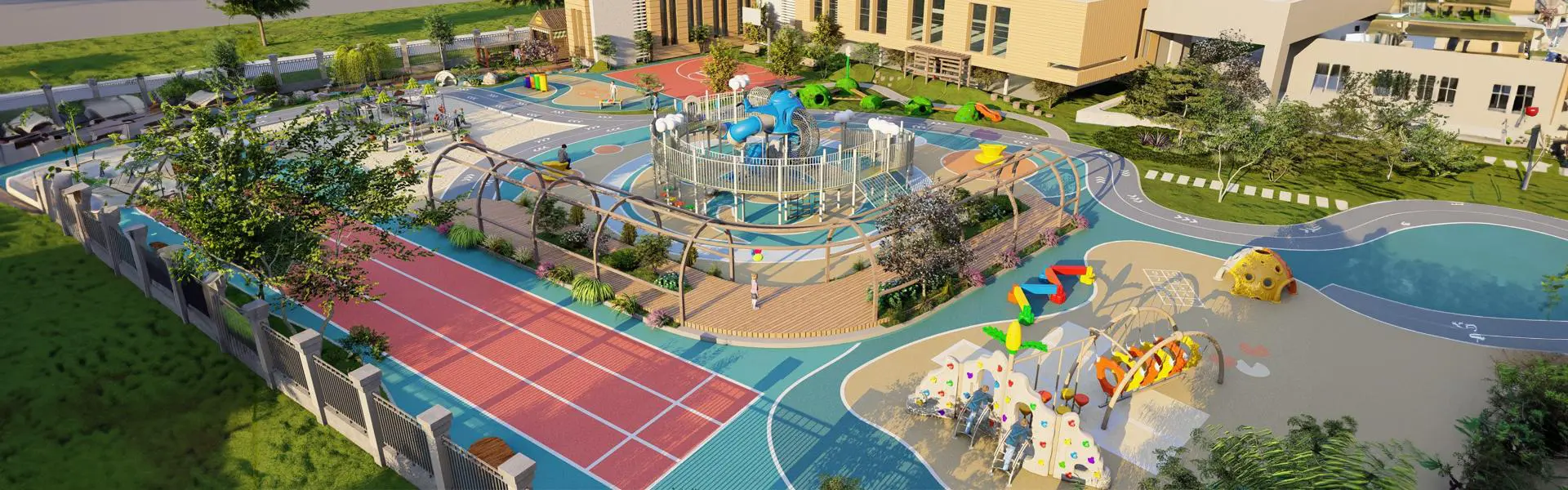
Maintaining a commercial playground is crucial for ensuring the safety and enjoyment of all users. Whether it’s in a public park, school, or daycare center, the equipment must be in top condition to avoid accidents and injuries. Regular maintenance and timely repairs are essential components of playground upkeep. Here’s what you need to know about commercial playground equipment repair.
The Importance of Regular Maintenance
Routine inspections and maintenance are key to extending the life of your commercial playground equipment. By regularly checking for wear and tear, you can catch small issues before they become major problems. This proactive approach not only ensures the safety of the users but also helps in managing the overall cost of maintaining the playground.
Common Issues Requiring Repair
Structural Integrity: Over time, the structural elements of playground equipment can weaken due to weather conditions and constant use. It’s important to inspect for any signs of rust, corrosion, or cracks, particularly on metal structures like swings, slides, and climbing frames.
Fasteners and Hardware: Bolts, screws, and other fasteners can loosen over time, compromising the stability of the equipment. Regular checks and tightening are necessary to ensure everything remains secure.
Surface Materials: The surfaces of play areas, including rubber mats and wood chips, can wear out or get contaminated, increasing the risk of falls and injuries. These materials should be replaced periodically to maintain their protective qualities.
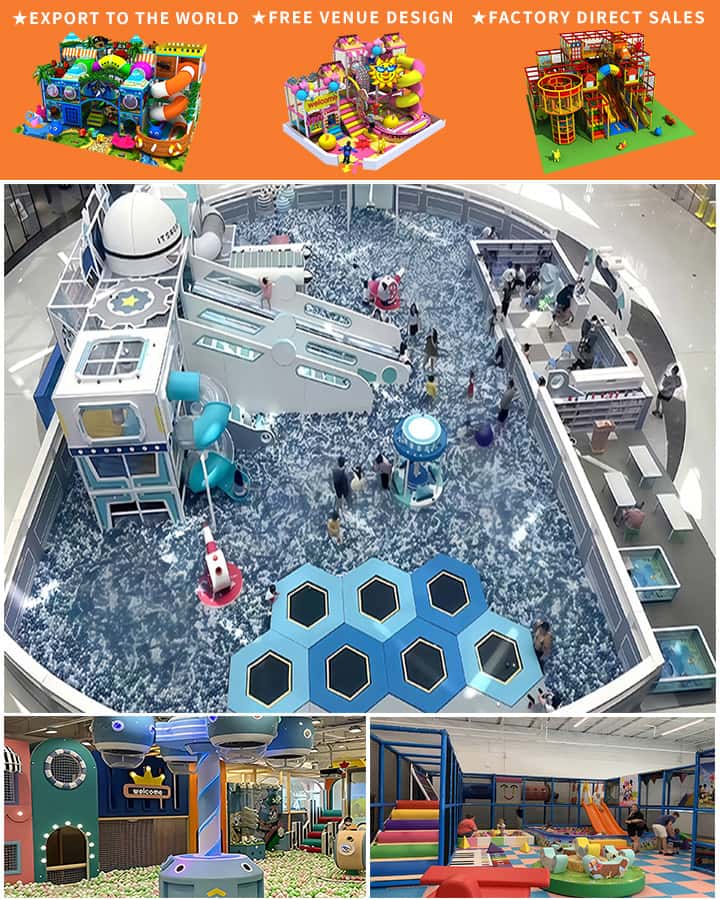
Moving Parts: Mechanical components such as springs, hinges, and rotating parts need regular lubrication to function smoothly and safely. Any malfunction in these areas can lead to accidents.
Steps for Effective Repair
Initial Inspection: Begin with a thorough inspection of all equipment. Identify problem areas and prioritize them based on severity and urgency.
Documentation: Keep a detailed record of the inspection findings, including photographs and notes on the condition of each piece of equipment. This documentation aids in tracking the history of repairs and maintenance.
Repair Plan: Develop a comprehensive repair plan that outlines the specific actions needed for each piece of equipment. This may involve replacing damaged parts, repainting, or refurbishing surfaces.
Professional Assistance: For major repairs, especially those involving structural components, it is advisable to hire professionals who specialize in playground equipment repair. They have the expertise and tools required to perform safe and effective repairs.
Follow-Up Inspections: After completing the repairs, conduct follow-up inspections to ensure that the fixes have been successful and that the equipment is safe for use.
Benefits of Timely Repairs
Enhanced Safety: Properly maintained equipment significantly reduces the risk of accidents and injuries, creating a safer environment for children and adults alike.
Extended Lifespan: Regular repairs help extend the life of playground equipment, saving costs in the long run by delaying the need for complete replacements.
Compliance with Standards: Adhering to maintenance schedules ensures compliance with local safety standards and regulations, reducing legal liabilities for property owners and managers.
Positive User Experience: Well-maintained playgrounds provide a more enjoyable experience, encouraging physical activity and social interaction among users.
Conclusion
Investing in the repair and maintenance of commercial playground equipment is not just a matter of compliance; it’s about safeguarding the well-being of the community. Regular inspections, timely repairs, and professional interventions can keep playgrounds safe, functional, and enjoyable for everyone. Prioritizing these efforts ensures that your playground remains a cherished resource for years to come.