
Trampoline parks have soared in popularity as exciting venues for kids to bounce, play, and stay active. These indoor playgrounds provide a fantastic blend of fun and exercise, offering numerous benefits for children’s physical and mental well-being. In this guide, we dive into the key aspects that make trampoline parks such a hit among youngsters and their parents alike, including their features, safety measures, and overall value.
What Makes Trampoline Parks Special?
Trampoline parks are designed with various attractions and facilities that cater to different age groups and skill levels. Here’s a breakdown of what makes these parks stand out:
Diverse Attractions: From standard trampolines and foam pits to more advanced equipment like dodgeball courts and ninja courses, trampoline parks offer a wide range of activities that keep kids engaged and challenged.
Interactive Play: Many parks feature interactive games and zones where kids can test their agility and coordination. This not only adds an element of fun but also promotes physical fitness.
Social Interaction: These parks encourage socializing, allowing kids to play and interact with peers. It’s an excellent opportunity for them to build friendships and develop teamwork skills.
Safe Environment: With padded floors, safety nets, and trained staff, trampoline parks prioritize safety, ensuring a secure environment for children to enjoy themselves without constant supervision.
Safety First
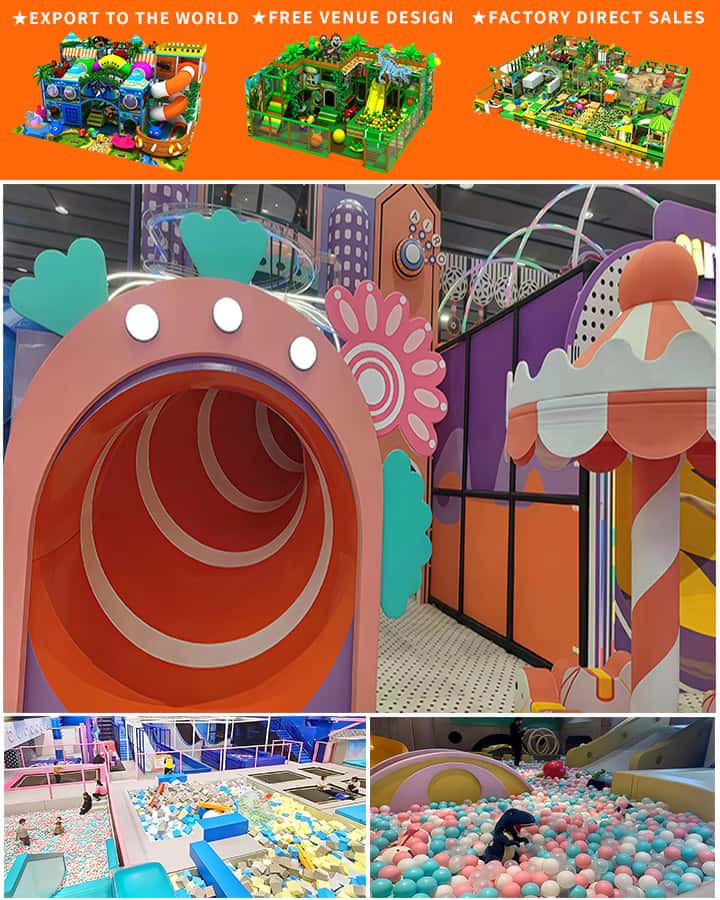
Safety is paramount at any trampoline park, and rightly so. Here are some of the key safety measures implemented in most parks:
Supervised Areas: Trained staff members monitor activities, ensuring kids adhere to safety rules and guidelines.
Protective Gear: Many parks require or recommend wearing grip socks to prevent slipping and injuries. Some also provide additional protective gear for certain activities.
Age-Specific Zones: To accommodate kids of different ages and abilities, many parks designate areas specifically for younger children, reducing the risk of accidents involving older, faster jumpers.
Educational Benefits
Beyond just being a source of entertainment, trampoline parks offer educational advantages:
Physical Fitness: Regular visits to a trampoline park can significantly improve cardiovascular health, muscle strength, and coordination in children.
Balance and Coordination: Bouncing on trampolines helps enhance balance and proprioception (awareness of body position), which are crucial motor skills.
Confidence Building: Overcoming challenges in a safe yet stimulating environment boosts a child’s self-confidence and resilience.
Choosing the Right Trampoline Park
When planning a trip to a trampoline park, consider the following tips:
Research: Look up reviews and ratings online to find well-regarded parks. Check if they offer programs tailored for your child’s age group.
Visit During Off-Peak Times: To ensure a more enjoyable experience, visit during less busy times when your child will have ample space to explore without long waits.
Check Facilities: Ensure the park is equipped with modern amenities and safety equipment. A clean, well-maintained facility is crucial for a positive experience.
Inquire About Programs: Many trampoline parks offer birthday parties, group events, and special classes. These can be great opportunities for socialization and learning new skills.
Conclusion
Trampoline parks offer an exhilarating mix of fun and fitness for kids, making them a popular choice for family outings and social events. By focusing on diverse attractions, stringent safety measures, and valuable developmental benefits, these parks provide a holistic recreational experience. Whether your child is looking to burn off some energy or simply have a blast with friends, a visit to a trampoline park promises endless bouncing joy!