In recent years, trampoline parks have gained immense popularity worldwide as recreational and athletic venues. India, with its burgeoning middle class and growing interest in fitness and entertainment, presents a promising market for this unique business venture. However, before diving into the trampoline park industry, it is crucial to understand the investment costs associated with setting up such a facility in India. This article delves into various aspects of the costs involved, providing a comprehensive overview for potential investors.
Initial Capital Expenditure
Land Acquisition and Lease
The first significant expense in opening a trampoline park is securing a suitable location. Prime spots are typically found in urban areas with high foot traffic and accessibility. Leasing or purchasing land can vary drastically in cost depending on the city and size of the venue. On average, leasing a space can range from INR 20 to INR 70 lakhs per annum, while purchasing land may require an investment upwards of INR 1 crore.
Construction and Renovation
Once the location is secured, the next step involves constructing or renovating the building to fit the trampoline park requirements. This includes installing trampolines, foam pits, and other safety equipment. Depending on the complexity and quality of materials used, construction costs can range from INR 30 lakhs to INR 1.5 crores. It’s essential to prioritize safety standards to avoid future liabilities.
Equipment and Safety Features
Trampolines and Safety Pads
The core of any trampoline park is, naturally, the trampolines themselves. High-quality trampolines can cost anywhere between INR 40,000 to INR 1 lakh each, depending on their size and brand. Safety pads, which are critical for preventing injuries, can add another INR 10,000 to INR 30,000 per unit. For a medium-sized park requiring around 20–30 trampolines, this alone could amount to INR 10–30 lakhs.
Additional Attractions
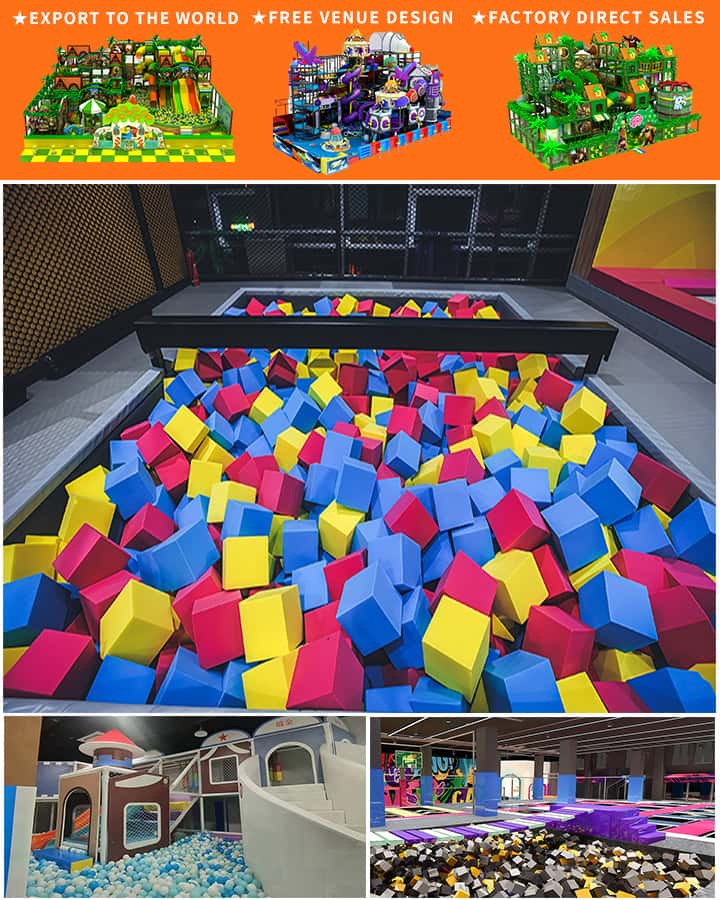
To attract a diverse clientele, many trampoline parks also incorporate additional attractions like foam pits, climbing walls, and dodgeball courts. These can add another INR 20–50 lakhs to the initial setup cost.
Licensing and Permits
Legal Compliance
Operating a trampoline park in India requires compliance with various local regulations and obtaining necessary permits. This includes fire safety norms, health department approvals, and possibly environmental clearances. Engaging legal services to navigate these can cost between INR 2–5 lakhs.
Insurance
Insurance is another critical aspect that cannot be overlooked. Given the physical nature of the activities involved, comprehensive liability insurance is vital. Premium rates can vary, but expect to pay around INR 50,000 to INR 2 lakhs annually, depending on coverage and policy terms.
Operational Costs
Staff Salaries
A trampoline park requires a team of trained professionals, including managers, coaches, and attendants. Monthly salaries for staff can range from INR 3–6 lakhs, depending on the number of employees and their positions.
Maintenance and Upkeep
Regular maintenance of equipment and facilities is essential to ensure safety and longevity. This includes ongoing repair of trampolines, cleaning services, and general facility upkeep, estimated at INR 1–2 lakhs per month.
Marketing and Promotion
Building a customer base is crucial for long-term success. Allocating a budget for marketing campaigns, social media promotions, and partnerships with schools or local businesses can significantly impact visibility. Initial marketing expenses might range from INR 5–10 lakhs.
Financial Projections
Break-Even Analysis
Given the substantial initial investment and recurring operational costs, breaking even can take time. On average, it might take 18–24 months to reach the break-even point. However, with effective management and strategic marketing, profitability can be achieved sooner.
Return on Investment (ROI)
While the upfront costs are high, trampoline parks offer considerable ROI potential due to repeat visitations and additional revenue streams (like membership plans and birthday party packages). With proper planning and execution, an annual ROI of 20–30% can be realistic within three to five years.
Conclusion
Investing in a trampoline park in India entails considerable financial commitment but holds promising returns, given the rising demand for recreational activities. Thorough planning, strategic location selection, stringent safety measures, and effective marketing are pivotal to ensuring the venture’s success. Potential investors should conduct detailed feasibility studies and seek expert advice to mitigate risks and optimize returns. As India’s fitness culture continues to evolve, trampoline parks present a lucrative opportunity for enterprising investors willing to leap into this dynamic industry.