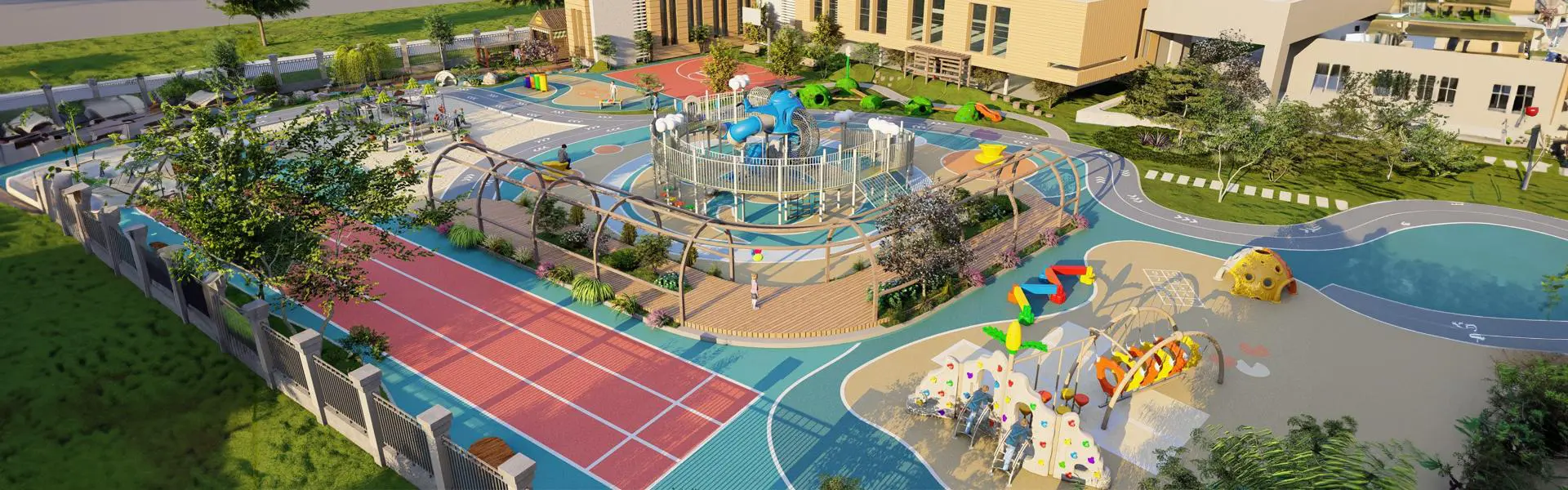
Soft play area equipment has become an essential feature in modern recreational environments, particularly for children. From indoor playgrounds to family entertainment centers, these facilities offer a safe, engaging, and fun experience for kids. In this article, we will delve into the various types of soft play area equipment, their benefits, and some considerations for choosing and maintaining them.
Types of Soft Play Area Equipment
- Ball Pools
- Ball pools are among the most iconic pieces of soft play equipment. Filled with colorful plastic balls, they provide endless entertainment while helping improve motor skills and coordination. They are often combined with other structures like slides and climbing frames.
- Climbing Frames
- Climbing frames come in various shapes and sizes, offering different levels of difficulty to cater to diverse age groups. These structures help develop physical strength, balance, and confidence as children navigate through them.
- Slides
- Slides are a universal favorite among children. They can range from simple, straight designs to more complex spiral or multi-level structures. Slides not only provide fun but also encourage physical activity and can be integrated into larger climbing frames or obstacle courses.
- Tunnels and Tents
- Soft play tunnels and tents add an element of adventure. These enclosed spaces stimulate imagination and social interaction. Made from soft materials, they ensure that even the youngest children can crawl through safely.
- Trampolines
- Mini trampolines designed for soft play areas are smaller and have safety features such as padded edges to prevent injuries. They offer a great way for kids to expend energy and improve their balance and coordination.
- Interactive Panels
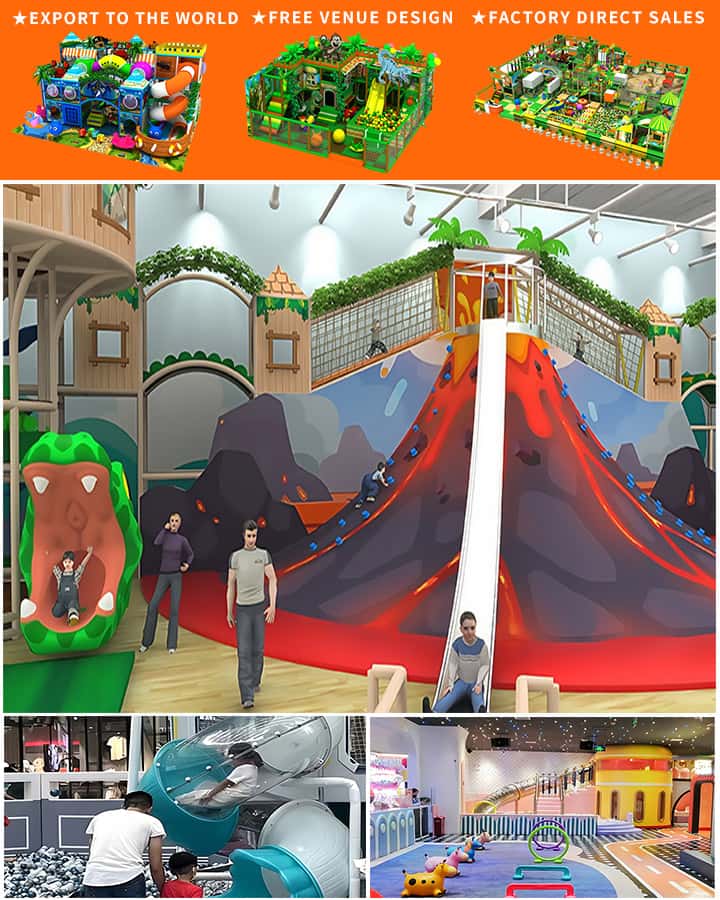
- Interactive panels often include features like buttons, lights, and sounds that engage children’s senses and promote cognitive development. They are excellent tools for combining mental and physical activities in a fun way.
Benefits of Soft Play Area Equipment
- Physical Development
- Soft play equipment encourages physical activity, which is crucial for healthy growth and development. It helps improve gross motor skills, balance, and coordination.
- Social Interaction
- These play areas are designed to be social spaces where children can interact with peers, fostering teamwork, sharing, and problem-solving skills.
- Mental Stimulation
- Many soft play elements, like interactive panels and obstacle courses, challenge children’s minds, promoting cognitive development and creativity.
- Safe Environment
- Soft play equipment is specifically designed with safety in mind, using materials that minimize the risk of injury during play.
Considerations for Choosing Soft Play Area Equipment
- Age Appropriateness
- Ensure the equipment suits the age group it is intended for. Some pieces are better suited for toddlers, while others are designed for older children or even adults.
- Space and Size
- Evaluate the available space to determine what type and size of equipment can fit comfortably without overcrowding the area.
- Material Quality
- Choose high-quality, durable materials that can withstand frequent use and are easy to clean and maintain.
- Safety Standards
- Always select equipment that complies with safety standards and regulations to ensure a secure play environment.
Maintenance Tips
- Regular Cleaning
- Soft play areas should be cleaned regularly using child-safe disinfectants to keep germs at bay.
- Inspection
- Frequent inspections help identify any wear and tear or potential hazards that need immediate attention.
- Proper Storage
- When not in use, store the equipment properly to prolong its lifespan and ensure it remains in good condition for future use.
In conclusion, soft play area equipment offers a blend of fun, safety, and developmental benefits that make it an essential addition to any recreational facility. By understanding the different types, benefits, and maintenance requirements, you can create an engaging and safe environment for children to enjoy.