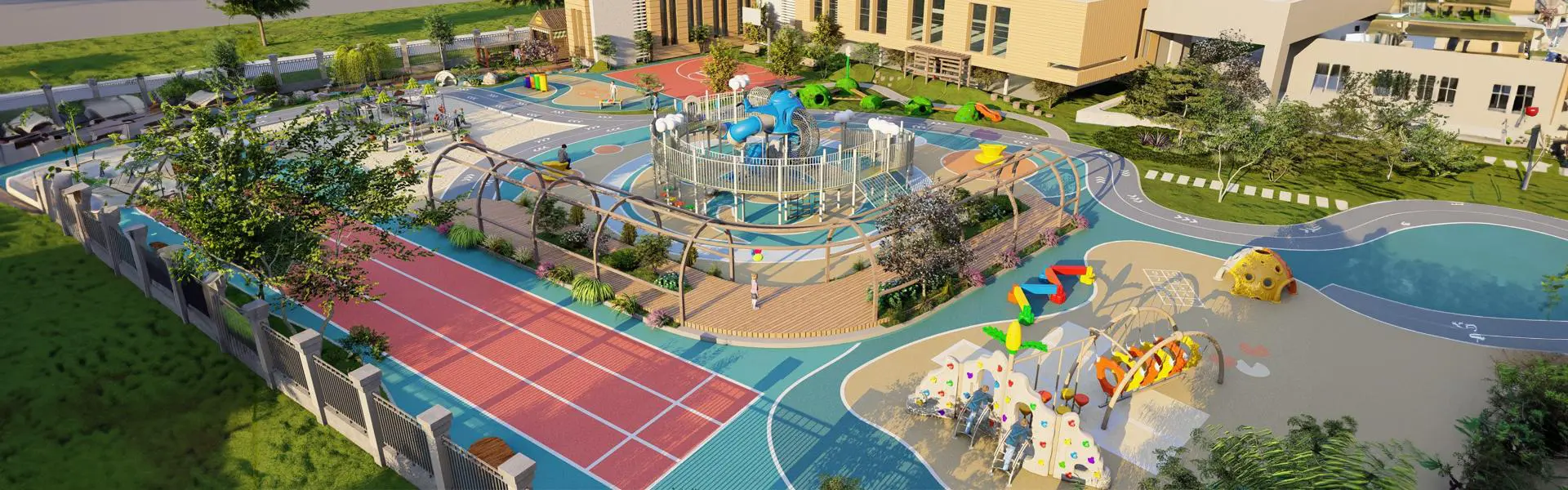
In an increasingly fast-paced world, finding safe and engaging spaces for children to play can sometimes be challenging. However, the rise of commercial indoor play equipment has provided a much-needed solution, ensuring that kids have access to fun, stimulating activities in a controlled environment. This guide delves into the various aspects of commercial children’s indoor play equipment, highlighting its benefits, types, and safety considerations.
Benefits of Commercial Indoor Play Equipment
Safety: One of the primary advantages of commercial indoor play equipment is the high level of safety it offers. Unlike outdoor playgrounds, indoor facilities are often climate-controlled, reducing the risk of weather-related injuries. Moreover, these facilities are usually staffed with trained professionals who monitor the equipment and ensure the children’s safety.
Educational Value: Many commercial indoor play areas incorporate educational elements into their designs. Climbing walls, sensory rooms, and interactive exhibits not only keep children entertained but also help develop their motor skills, cognitive abilities, and social interactions.
Accessibility: Indoor play centers are typically accessible year-round, irrespective of weather conditions. They provide a consistent space for children to burn off energy, engage in physical activities, and socialize with peers.
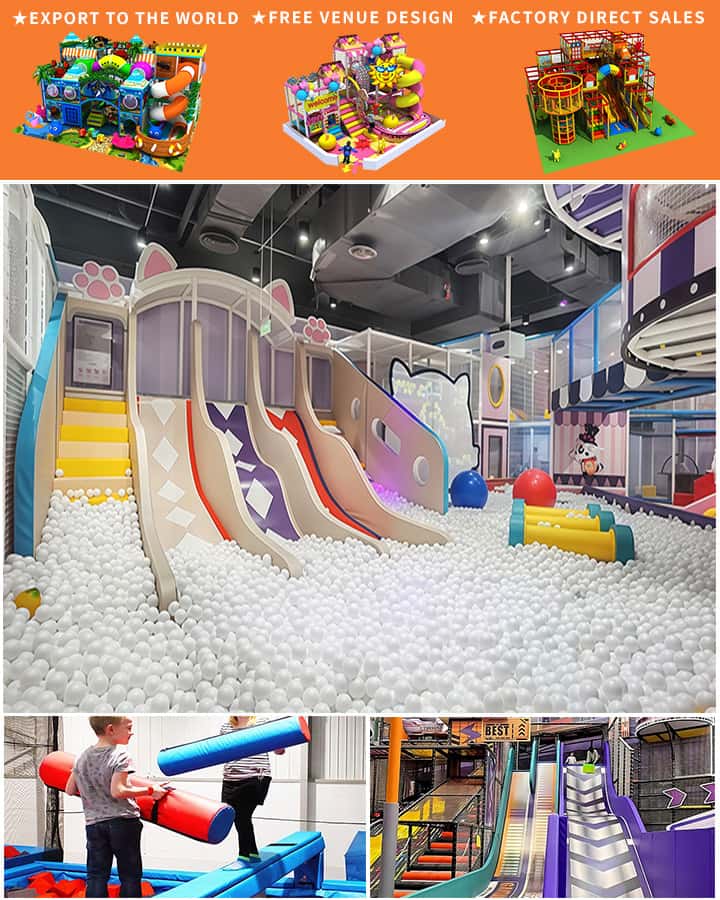
Variety: The range of equipment available in commercial indoor play centers is impressive. From trampolines and ball pits to slides and obstacle courses, there’s something to keep every child engaged and excited.
Types of Commercial Indoor Play Equipment
Climbing Structures: These structures come in various sizes and complexities, suitable for different age groups. They encourage physical activity, coordination, and problem-solving skills.
Trampolines: Trampolines are a favorite among children and adults alike. They provide a great cardiovascular workout and enhance balance and coordination.
Ball Pools and Slides: Ball pools paired with slides or tunnels create an exhilarating experience for children. These setups encourage imaginative play and physical activity.
Interactive Exhibits: Modern indoor play centers often feature interactive exhibits such as sensory rooms, which stimulate children’s senses and foster learning through touch, sight, and sound.
Soft Play Areas: Designed for younger children, soft play areas include foam blocks, padded structures, and gentle slopes that allow toddlers to explore safely.
Safety Considerations
Supervision: Ensure that the indoor play area is well-staffed with attentive supervisors who can respond quickly to any situation. Proper supervision helps mitigate the risk of accidents and injuries.
Maintenance: Regular maintenance and inspection of the equipment are essential to ensure they remain in good working condition. Faulty equipment can pose significant safety hazards.
Hygiene: Maintaining cleanliness is crucial in an indoor play environment. Frequent sanitization of toys, mats, and surfaces prevents the spread of germs and keeps the area hygienic.
Age Appropriateness: Make sure the equipment is suitable for the child’s age and developmental stage. Using age-appropriate play structures minimizes the risk of injury and ensures a more enjoyable experience.
Final Thoughts
Investing time and resources in high-quality commercial children’s indoor play equipment can offer countless benefits to both parents and children. These facilities provide a safe, educational, and entertaining environment where kids can grow and thrive. By prioritizing safety, variety, and accessibility, commercial indoor play centers can become cherished community hubs for families.
Whether you are a parent looking for a weekend outing spot or an entrepreneur considering opening an indoor play center, understanding the nuances of commercial children’s indoor play equipment is key. With careful planning and attention to detail, these spaces can become havens of joy and learning for children of all ages.