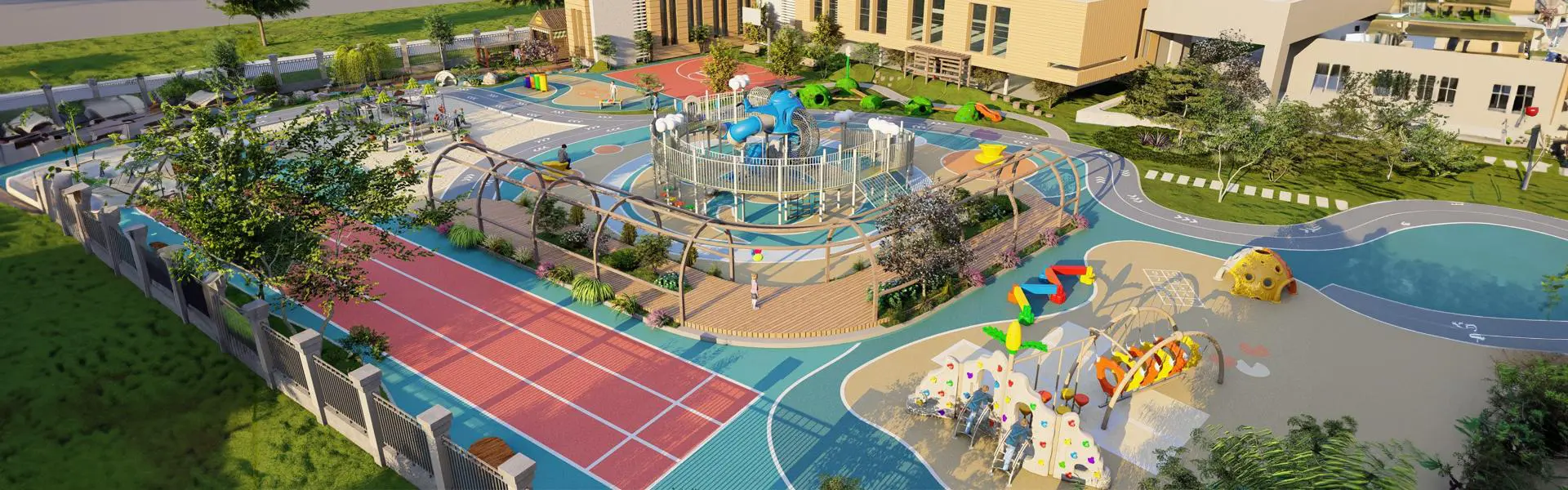
Singapore, known for its vibrant economy and family-friendly environment, has witnessed a significant rise in the popularity of indoor playgrounds in recent years. As the world continues to grapple with the challenges of urbanization and limited outdoor spaces, these innovative recreational facilities have emerged as a crucial element in Singapore’s leisure landscape. In 2022, the revenue generated by indoor playgrounds in Singapore has reached an impressive milestone, reflecting the growing demand for family entertainment and children’s recreation options.
A Booming Sector Amid Urban Challenges
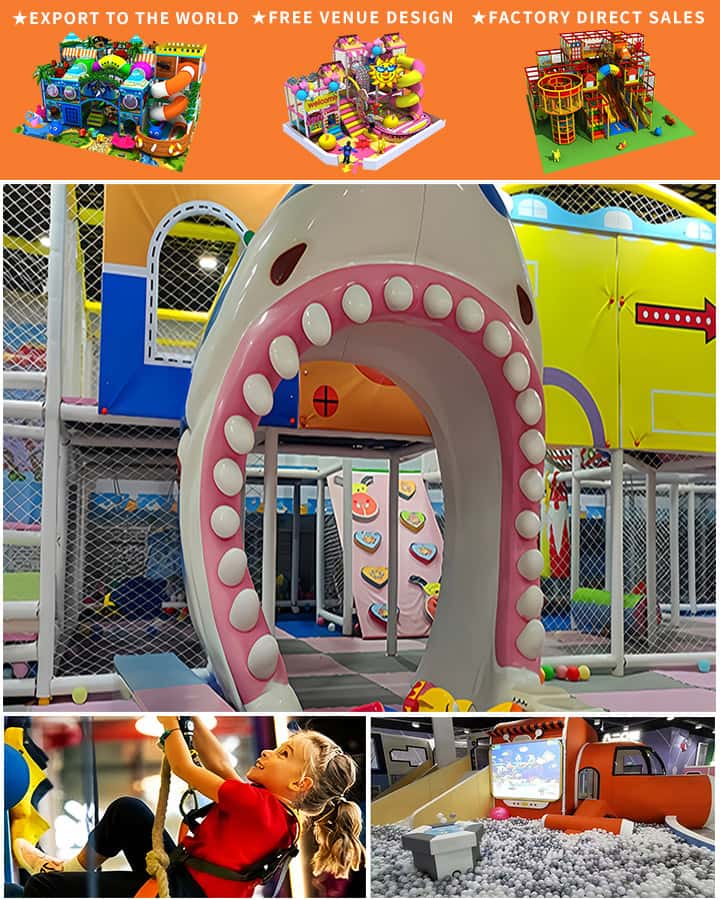
The rapid urbanization of Singapore has led to a scarcity of open spaces for children to play freely. With skyrocketing property prices and a focus on maximizing land use, indoor playgrounds have become a practical solution for families seeking safe, engaging, and climate-controlled environments for their young ones. These facilities often feature a wide array of attractions, including trampoline parks, ball pits, climbing walls, obstacle courses, and interactive gaming zones that cater to various age groups and interests.
Economic Impact and Revenue Generation
In 2022, the indoor playground industry in Singapore experienced substantial growth, contributing significantly to the nation’s GDP. According to market analysis reports, the total revenue for indoor playgrounds has soared past the $100 million mark, a testament to the sector’s robust health and consumer interest. This surge can be attributed to several factors, including increased disposable income, changing lifestyle preferences, and the pandemic-induced shift towards indoor activities.
Adapting to New Norms and Trends
The COVID-19 pandemic has had a profound impact on the global economy, prompting businesses to adapt and innovate. Indoor playground operators in Singapore have responded proactively by implementing stringent health and safety measures such as enhanced cleaning protocols, contactless payment systems, and limited capacity controls. Moreover, many venues have incorporated technological advancements, such as virtual reality games and smart play equipment, to offer unique experiences while maintaining social distancing norms.
Diversifying Offerings to Attract Families
To further boost revenue and attract diverse customer segments, indoor playgrounds are expanding their offerings beyond traditional play areas. Many now include dedicated zones for educational activities, parental relaxation areas, and even themed parties and events. These additions not only enhance the overall experience but also position indoor playgrounds as comprehensive family entertainment centers.
Looking Ahead: Sustainable Growth and Innovation
As Singapore continues to urbanize and prioritize quality family time, the indoor playground industry is poised for sustained growth in the coming years. Operators are expected to invest heavily in research and development to introduce new attractions and improve existing ones. Additionally, there is a growing trend towards sustainability, with eco-friendly materials and energy-efficient designs becoming more prevalent across the sector.
In conclusion, the indoor playground industry in Singapore has proven its resilience and adaptability amidst urban challenges and a pandemic-stricken world. With record-breaking revenue figures in 2022, it is clear that these facilities have become an integral part of the nation’s leisure and entertainment scene, providing families with much-needed respite and joy in a bustling city-state. As the industry continues to evolve, it promises to offer even more innovative and sustainable recreational solutions for future generations.