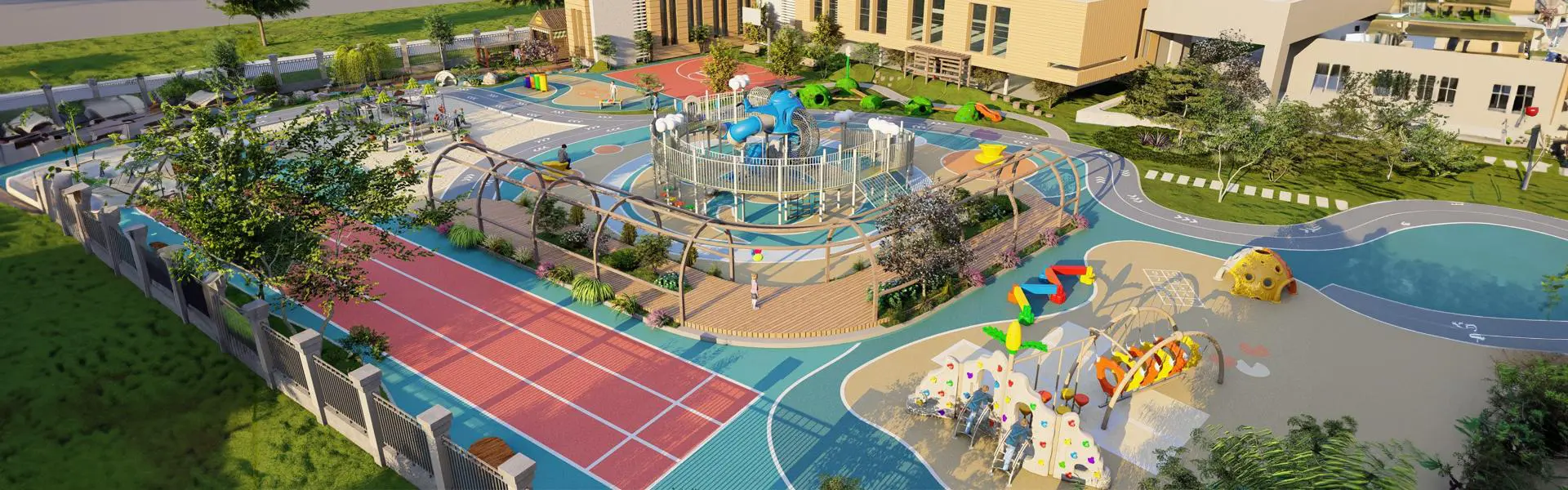
As Singapore strides confidently into the future, its visionary 2025 plan aims to revolutionize recreational spaces for children, with a significant emphasis on innovative indoor playgrounds. This strategic initiative reflects the nation’s commitment to fostering holistic development in young minds and bodies through engaging, educational, and safe play environments.
The Vision Behind Singapore’s 2025 Plan
Singapore’s forward-thinking approach recognizes that indoor playgrounds are more than just places for kids to have fun; they are critical spaces for physical activity, social interaction, and cognitive development. The 2025 plan encompasses several key objectives:
Promoting Physical Activity: With an increasing focus on combating sedentary lifestyles among children, indoor playgrounds will feature diverse physical challenges that encourage regular exercise and improve overall health.
Enhancing Learning through Play: Integrating educational elements within these playgrounds aims to stimulate creativity, problem-solving skills, and cognitive abilities. Interactive exhibits and themed play areas will turn playtime into an opportunity for learning.
Inclusive Design: Ensuring that all children, regardless of their physical abilities, can enjoy and benefit from these spaces is a central tenet. The design of new indoor playgrounds will adhere to universal accessibility standards, fostering a sense of belonging for every child.
Environmental Sustainability: Recognizing the importance of environmental stewardship, the 2025 plan includes provisions for eco-friendly materials and energy-efficient operations, thereby setting a precedent for sustainable urban development.
Innovations in Indoor Playground Design
To meet the ambitious goals of the 2025 plan, Singapore is embracing cutting-edge technologies and creative design concepts. Some of the notable innovations include:
Interactive Digital Play Areas: Incorporating augmented reality (AR) and virtual reality (VR) experiences into play zones will offer immersive adventures while promoting digital literacy.
Modular Play Systems: Adaptable and reconfigurable play structures will enable indoor playgrounds to cater to different age groups and interests, ensuring longevity and versatility.
Nature-Inspired Environments: Bringing elements of nature indoors, such as indoor gardens and water features, will create calming yet stimulating environments that encourage exploration and relaxation.
Community Engagement and Collaboration
The success of this transformative plan hinges on collaboration between government agencies, private sector partners, and community stakeholders. Public-private partnerships will facilitate resource pooling and expertise sharing, ensuring that each indoor playground project meets the highest standards of quality and innovation.
Furthermore, active community engagement is essential to tailor these spaces to the unique needs and preferences of local families. Workshops, surveys, and feedback mechanisms will be integral to the planning process, fostering a sense of ownership and pride among residents.
A Glimpse into the Future
As Singapore embarks on this exciting journey towards redefining indoor playgrounds, it envisions a future where every child has access to enriching, safe, and enjoyable play spaces. By blending technology, inclusivity, sustainability, and education, these indoor playgrounds promise not only to entertain but also to inspire and equip the next generation with the skills and well-being they need to thrive in the years to come.
In conclusion, Singapore’s 2025 plan for indoor playgrounds represents a bold step forward in shaping a healthier, smarter, and more inclusive society. It sets a benchmark for urban planners worldwide, demonstrating how thoughtfully designed recreational spaces can contribute to the overall growth and happiness of a nation’s youngest citizens.