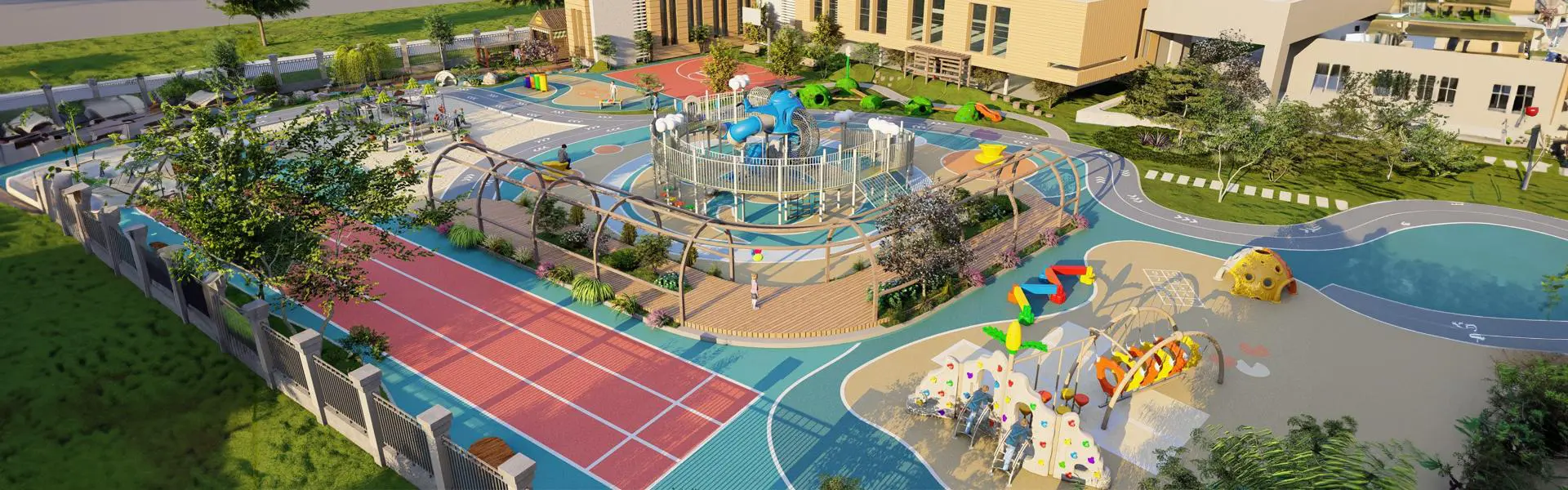
Opening your own children’s indoor playground can be one of the most rewarding ventures, combining fun and profit in an environment designed for the happiness and wellbeing of kids. This article offers essential tips to help you create a safe, engaging, and successful indoor play area that parents will trust and children will love.
Planning Your Space
Understand the Market: Research the demographics of your target area to understand the needs and preferences of potential customers. Consider factors such as age groups, local competition, and peak usage times.
Design with Safety in Mind: When designing your playground, make safety your top priority. Ensure there are no sharp edges, secure climbing structures, and soft flooring materials like rubber mats or foam padding to cushion falls.
Diverse Play Areas: Incorporate a variety of play areas to cater to different interests and age groups. These could include slides, ball pits, climbing walls, trampolines, and interactive games to keep children entertained.
Selecting Equipment
Quality Over Quantity: Investing in high-quality, durable equipment might require a larger upfront cost but will pay off in the long run through reduced maintenance and increased customer satisfaction.
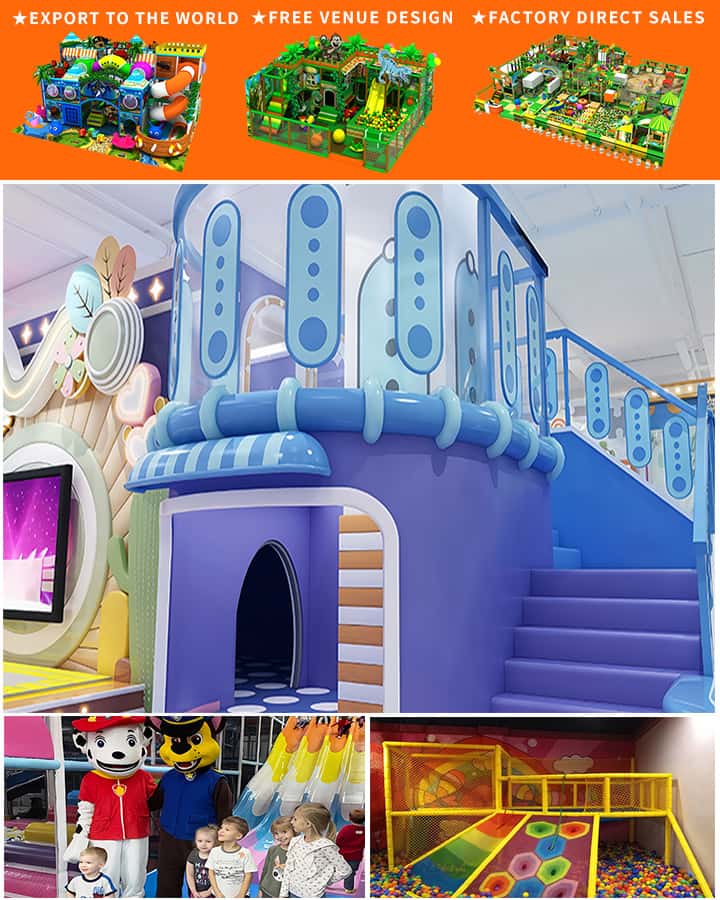
Age-appropriate Activities: Ensure the playground is suitable for different age ranges. Separate areas for toddlers, preschoolers, and older children help prevent conflicts and ensure that each child has an enjoyable experience suited to their developmental stage.
Business Operations
Staff Training: Hire friendly, responsible staff who are trained in first aid and CPR. Proper supervision ensures that children remain safe while playing and allows parents to relax.
Maintenance Routine: Regularly inspect and maintain all equipment to ensure it remains in excellent condition. Clean facilities not only look more appealing but also promote hygiene and health.
Marketing and Community Engagement
Effective Marketing Strategies: Create a strong online presence with an engaging website and active social media profiles. Offer promotions and host events to attract new visitors and retain existing customers.
Partner with Schools and Communities: Collaborate with local schools, community centers, and parent groups to organize events and parties. Building relationships within the community increases your playground’s visibility and reputation.
Feedback Mechanism: Always seek feedback from parents and children to improve your services continually. A suggestion box or an online survey can be effective tools for collecting valuable insights.
Financial Management
Budgeting and Forecasting: Develop a detailed budget covering initial setup costs, ongoing expenses, and projected revenue. Accurate financial planning helps avoid potential pitfalls and ensures sustainability.
Pricing Strategy: Set competitive yet fair prices considering your overheads and the value provided. Offering packages, discounts for frequent visitors, or family deals can increase footfall.
Legal Considerations
- Permits and Insurance: Obtain all necessary permits and liability insurance to protect your business from unforeseen circumstances and legal issues.
By focusing on these critical aspects, owners can create a thriving children’s indoor playground that delights young customers and provides peace of mind to their parents. With careful planning, quality equipment, diligent staff, and strategic marketing, your indoor playground can become a cherished community resource.